
SOUTH AFRICAN WILDLIFE
WITH PHOTOGRAPHER MATTIAS KLUMSOUTH AFRICAN WILDLIFE
WITH PHOTOGRAPHER MATTIAS KLUM
COUNTRY: South Africa PHOTO: Wildlife DURATION: 9 days DATES: 7-15/12 2026 GROUP SIZE: 9-12

For me, South Africa’s nature often differs from the African savannah you experience in places like Kenya. Here, the landscape is much more bushy, which allows you to compose your images in a different way and, as a result, capture beautiful and slightly more exciting photographs.
Mattias Klum
This journey takes you to two of South Africa’s most fascinating nature reserves – Balule and Sabi Sand – where you will experience and photograph the wild heart of Africa up close together with award-winning National Geographic photographer Mattias Klum.
The focus of the tour is on powerful experiences, nature photography, and personal development in some of the world’s most biodiverse areas – all under the guidance of a world-renowned photographer.
In Balule Nature Reserve, part of Greater Kruger, a genuine safari experience awaits. Africa’s Big Five – elephant, rhinoceros, buffalo, lion and leopard – roam freely through pristine wilderness. Here, you’ll have the time and space to truly connect with nature and develop your photography in a calm and focused environment.
The journey then continues to Sabi Sand Game Reserve, one of Africa’s most exclusive safari destinations, famous for its high density of leopards and the unique opportunity to follow wildlife at close range. With knowledgeable guides, experienced trackers, and the possibility of off-road game drives, you’ll gain access to exceptional photographic opportunities and magical moments of intimacy with the wild.
With exclusive lodges, a small group setting, and personal mentorship from Mattias Klum, this adventure combines learning, inspiration, and relaxation into an experience that motivates, moves, and stays with you.

SOME OF THE HIGHLIGHTS OF THIS JOURNEY:
-
Safari and photography alongside Mattias Klum.
-
The opportunity to experience and photograph Africa’s Big Five.
-
World-class leopard sightings – Sabi Sand is famous for its high density of leopards.
-
Exclusive safaris in areas with few vehicles and permission for off-road driving.
-
A total of 16 game drives across two reserves.
-
Sunrises, sunsets, and evenings by the campfire in the African bush.
-
Sundowners out in the bush.
-
Personal coaching in composition, light, and visual storytelling from Mattias Klum.
-
Group image reviews and time for editing and reflection with Mattias Klum.
-
Lectures on South Africa from a conservation and environmental perspective.
COUNTRY: South Africa PHOTO: Wildlife DURATION: 9 days DATES: 7-15/12 2026 GROUP SIZE: 9-12
For me, South Africa’s nature often differs from the African savannah you experience in places like Kenya. Here, the landscape is much more bushy, which allows you to compose your images in a different way and, as a result, capture beautiful and slightly more exciting photographs.
Mattias Klum
This journey takes you to two of South Africa’s most fascinating nature reserves – Balule and Sabi Sand – where you will experience and photograph the wild heart of Africa up close together with award-winning National Geographic photographer Mattias Klum.
The focus of the tour is on powerful experiences, nature photography, and personal development in some of the world’s most biodiverse areas – all under the guidance of a world-renowned photographer.
In Balule Nature Reserve, part of Greater Kruger, a genuine safari experience awaits. Africa’s Big Five – elephant, rhinoceros, buffalo, lion and leopard – roam freely through pristine wilderness. Here, you’ll have the time and space to truly connect with nature and develop your photography in a calm and focused environment.
The journey then continues to Sabi Sand Game Reserve, one of Africa’s most exclusive safari destinations, famous for its high density of leopards and the unique opportunity to follow wildlife at close range. With knowledgeable guides, experienced trackers, and the possibility of off-road game drives, you’ll gain access to exceptional photographic opportunities and magical moments of intimacy with the wild.
With exclusive lodges, a small group setting, and personal mentorship from Mattias Klum, this adventure combines learning, inspiration, and relaxation into an experience that motivates, moves, and stays with you.
Join Mattias Klum on an unforgettable journey and experience the wild beauty of South Africa.
SOME OF THE HIGHLIGHTS OF THIS JOURNEY:
-
Safari and photography alongside Mattias Klum.
-
The opportunity to experience and photograph Africa’s Big Five.
-
World-class leopard sightings – Sabi Sand is famous for its high density of leopards.
-
Exclusive safaris in areas with few vehicles and permission for off-road driving.
-
A total of 16 game drives across two reserves.
-
Sunrises, sunsets, and evenings by the campfire in the African bush.
-
Sundowners out in the bush.
-
Personal coaching in composition, light, and visual storytelling from Mattias Klum.
-
Group image reviews and time for editing and reflection with Mattias Klum.
-
Lectures on South Africa from a conservation and environmental perspective.
DESTINATIONS
DESTINATIONS
SABI SANDS GAME RESERVE
Sabi Sand is one of Africa’s most prestigious wildlife reserves and borders directly with Kruger National Park without any fences – allowing animals to move freely between the areas. It is renowned for its rich wildlife and high density of leopards, making it one of the best places in the world to photograph these elusive predators.
Safaris in Sabi Sand are conducted in small groups with permission for off-road driving, allowing you to get extremely close to the animals and capture truly unique photographic opportunities.
BALULE NATURE RESERVE
Balule is part of the greater Greater Kruger area and offers a genuine, unspoiled safari experience.
Here, Africa’s Big Five – elephant, lion, buffalo, rhinoceros, and leopard – live side by side with many other species. The area is characterised by its tranquility and diverse landscapes, ranging from open savannahs to dense bushveld along the beautiful Olifants River. Unlike many other reserves, there are fewer vehicles here, providing a more exclusive and intimate experience.


Learn more about the places we will visit.
SABI SANDS GAME RESERVE
Sabi Sand is one of Africa’s most prestigious wildlife reserves and borders directly with Kruger National Park without any fences – allowing animals to move freely between the areas. It is renowned for its rich wildlife and high density of leopards, making it one of the best places in the world to photograph these elusive predators.
Safaris in Sabi Sand are conducted in small groups with permission for off-road driving, allowing you to get extremely close to the animals and capture truly unique photographic opportunities.
BALULE NATURE RESERVE
Balule is part of the greater Greater Kruger area and offers a genuine, unspoiled safari experience.
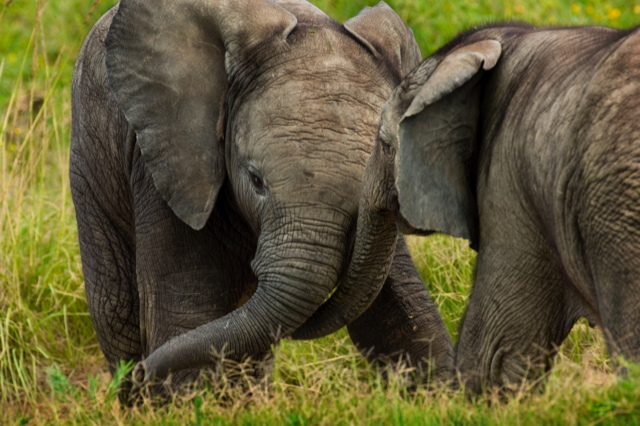
Here, Africa’s Big Five – elephant, lion, buffalo, rhinoceros, and leopard – live side by side with many other species. The area is characterised by its tranquility and diverse landscapes, ranging from open savannahs to dense bushveld along the beautiful Olifants River. Unlike many other reserves, there are fewer vehicles here, providing a more exclusive and intimate experience.
CONSERVATION AND THE ENVIRONMENT
CONSERVATION AND THE ENVIRONMENT
For Mattias Klum, conservation and the environment are deeply important issues that he will address both in his lectures and during our visits to the reserves. In Kruger National Park, significant progress has already been made, but there is still much to be done. Below you will find some of the topics that concern Mattias and that you will learn more about during the journey.
Kruger National Park is one of the world’s most famous national parks and one of the oldest in Africa, covering nearly 20,000 square kilometres, making it one of the continent’s largest protected wilderness areas. It is home to an extraordinary level of biodiversity, with more than 140 species of mammals.
From a conservation perspective, Kruger plays a crucial role. It is a core component of the transboundary Greater Limpopo Transfrontier Park, which enables wildlife to move freely between South Africa, Mozambique and Zimbabwe. The park also conducts extensive anti-poaching operations, particularly focused on protecting rhinos, using tools such as drones, GPS tracking and specially trained ranger units. In addition, Kruger serves as an important centre for research on ecology, animal behaviour and climate impacts.
Environmentally, Kruger contributes in many ways to a sustainable ecosystem. It protects vital ecosystem services such as water purification, carbon storage and pollination, and acts as a natural buffer against climate change. Tourism is significant but managed sustainably, with revenue reinvested into conservation efforts and the creation of employment opportunities for local communities. Collaboration with surrounding communities has become a key part of the park’s strategy, strengthening social support and reducing human–wildlife conflict.
However, the park still faces major challenges. Poaching, climate change, and conflicts between people and wildlife outside the park boundaries continue to threaten both species and ecosystems. Despite these challenges, Kruger National Park remains a leading example of how conservation, research and sustainable tourism can work together in harmony.

Learn more about Kruger National Park’s work in conservation and environmental protection.
For Mattias Klum, conservation and the environment are deeply important topics that he will address both in his lectures and during our visits to the reserves. In Kruger National Park, much has already been achieved in these areas, but there is still plenty of work to be done. Below you will find some of the issues that concern Mattias and that you will learn more about during the trip.
Kruger National Park is one of the world’s most famous national parks and one of the oldest in Africa. It covers nearly 20,000 square kilometres, making it one of the largest protected natural areas on the continent. The park hosts an enormous level of biodiversity, with more than 140 species of mammals.
From a conservation perspective, Kruger National Park plays a crucial role. It is a central part of the transboundary Greater Limpopo Transfrontier Park, which allows wildlife to move freely between South Africa, Mozambique and Zimbabwe. The park also conducts extensive anti-poaching operations, especially to protect rhinos, using tools such as drones, GPS monitoring and highly trained ranger units. In addition, Kruger functions as an important centre for research on ecology, animal behaviour and the impacts of climate change.
Environmentally, Kruger contributes to a sustainable ecosystem in several ways. It preserves vital ecosystem services such as water purification, carbon storage and pollination, and acts as a natural buffer against climate change. Tourism is substantial but managed sustainably, with revenue reinvested into conservation efforts and the creation of jobs for local communities. Collaboration with surrounding communities has become a key part of the park’s work, strengthening local support and reducing human–wildlife conflicts.
However, the park still faces major challenges. Poaching, climate change and conflicts between people and wildlife outside the park’s borders continue to threaten both species and ecosystems. Despite these challenges, Kruger National Park remains a leading example of how conservation, research and sustainable tourism can be successfully combined.
ITINERARY
ITINERARY
DECEMBER 7-15, 2026
Throughout the entire trip, Mattias Klum will be available for photography advice, tips, editing support, and image critique. He will also give talks on conservation and the environment in South Africa, as well as share experiences from his National Geographic assignments. Exact times for these sessions will be adapted to the photographic activities and the daily program.
DAY 1, (Dec.7) – ARRIVAL AND SAFARI
We meet at Hoedspruit Airport, where we will be greeted by Mattias Klum and a host from Zoom Fotoresor. From the airport, we drive to Nambu Camp or a similar lodge in the Balule Nature Reserve, where we will spend the coming days surrounded by untouched wilderness and incredible wildlife. After checking in, it is time for the first safari of the trip and a taste of what awaits us in the days ahead.
After watching the sun set over the African landscape and enjoying a sundowner, that is, a drink out in the open, we return to the lodge with the first images of the trip on our memory cards.
Back at the lodge, we enjoy dinner and the serenity of the African bush. (D)
DAY 2–4, (Dec. 8-10) – SAFARI AMONG THE BIG FIVE
During the days, we explore and photograph the rich surroundings together with Mattias and our experienced guides. After a warming cup of coffee in the cool morning air, we head out to photograph the sunrise as the landscape fills with scents and sounds.
Balule Nature Reserve is a private reserve forming part of the Greater Kruger National Park in South Africa. The area lies along the beautiful Olifants River and is home to a rich and diverse wildlife, including Africa’s “Big Five” – elephant, rhinoceros, buffalo, lion, and leopard. Unlike many other areas, there are fewer jeeps here, offering an even better nature experience and more opportunities to position the vehicles for the best photographic angles.
When we find our subjects, Mattias—who will rotate between the vehicles—will be on hand to offer tips and guidance to help you develop as a photographer. He will also share his deep knowledge about the wildlife and habitats around us.
After an early morning safari filled with experiences and photographic opportunities, we discuss the morning’s sightings by the pool. After lunch, there is time for relaxation, a swim, or some image editing before we head out for the second safari of the day. (B, L, D)
DAY 5–8, (Dec. 11-14) – SAFARI IN SABI SAND
On the fifth day of the trip, we continue our African adventure and travel to the world-renowned Sabi Sand Game Reserve, where we check in at Umkumbe Safari Lodge or a similar lodge. This area is known for its exclusive and intimate safari experiences, guided by some of Africa’s most skilled rangers. Sabi Sand borders Kruger National Park with no fences, allowing wildlife to move freely between the areas. In the afternoon, we head out into Sabi Sand and its exceptional wildlife.
Over the following days, we focus on deepening our photography during morning and evening game drives, where we have the opportunity to get close to wildlife thanks to off-road driving permission. The entire Big Five is present here, and the area also has one of Africa’s highest densities of leopards, making it especially interesting for photographers.
Between game drives, there is time for rest, editing, and group image reviews together with Mattias, who continues to provide personal guidance and tips on composition, light, and visual storytelling. The evenings end around the campfire with the sounds of the savannah in the background. (B, L, D)
DAY 9, (Dec. 15) – SAFARI AND DEPARTURE
Today, we head out on the final safari of the trip before continuing to Mpumalanga International Airport for onward travel to Sweden on your own arrangements. (B)


Read more about the itinerary.
DECEMBER 7-15, 2026
Throughout the entire trip, Mattias Klum will be available for photography advice, tips, editing support, and image critique. He will also give talks on conservation and the environment in South Africa, as well as share experiences from his National Geographic assignments. Exact times for these sessions will be adapted to the photographic activities and the daily program.
DAY 1, (Dec.7) – ARRIVAL AND SAFARI
We meet at Hoedspruit Airport, where we will be greeted by Mattias Klum and a host from Zoom Fotoresor. From the airport, we drive to Nambu Camp or a similar lodge in the Balule Nature Reserve, where we will spend the coming days surrounded by untouched wilderness and incredible wildlife. After checking in, it is time for the first safari of the trip and a taste of what awaits us in the days ahead.
After watching the sun set over the African landscape and enjoying a sundowner, that is, a drink out in the open, we return to the lodge with the first images of the trip on our memory cards.
Back at the lodge, we enjoy dinner and the serenity of the African bush. (D)
DAY 2–4, (Dec. 8-10) – SAFARI AMONG THE BIG FIVE
During the days, we explore and photograph the rich surroundings together with Mattias and our experienced guides. After a warming cup of coffee in the cool morning air, we head out to photograph the sunrise as the landscape fills with scents and sounds.
Balule Nature Reserve is a private reserve forming part of the Greater Kruger National Park in South Africa. The area lies along the beautiful Olifants River and is home to a rich and diverse wildlife, including Africa’s “Big Five” – elephant, rhinoceros, buffalo, lion, and leopard. Unlike many other areas, there are fewer jeeps here, offering an even better nature experience and more opportunities to position the vehicles for the best photographic angles.
When we find our subjects, Mattias—who will rotate between the vehicles—will be on hand to offer tips and guidance to help you develop as a photographer. He will also share his deep knowledge about the wildlife and habitats around us.
After an early morning safari filled with experiences and photographic opportunities, we discuss the morning’s sightings by the pool. After lunch, there is time for relaxation, a swim, or some image editing before we head out for the second safari of the day. (B, L, D)
DAY 5–8, (Dec. 11-14) – SAFARI IN SABI SAND
On the fifth day of the trip, we continue our African adventure and travel to the world-renowned Sabi Sand Game Reserve, where we check in at Umkumbe Safari Lodge or a similar lodge. This area is known for its exclusive and intimate safari experiences, guided by some of Africa’s most skilled rangers. Sabi Sand borders Kruger National Park with no fences, allowing wildlife to move freely between the areas. In the afternoon, we head out into Sabi Sand and its exceptional wildlife.
Over the following days, we focus on deepening our photography during morning and evening game drives, where we have the opportunity to get close to wildlife thanks to off-road driving permission. The entire Big Five is present here, and the area also has one of Africa’s highest densities of leopards, making it especially interesting for photographers.
Between game drives, there is time for rest, editing, and group image reviews together with Mattias, who continues to provide personal guidance and tips on composition, light, and visual storytelling. The evenings end around the campfire with the sounds of the savannah in the background. (B, L, D)
DAY 9, (Dec. 15) – SAFARI AND DEPARTURE
Today, we head out on the final safari of the trip before continuing to Mpumalanga International Airport for onward travel to Sweden on your own arrangements. (B)
THE PHOTOGRAPHER
THE PHOTOGRAPHER
MATTIAS KLUM – National Geographic photograper
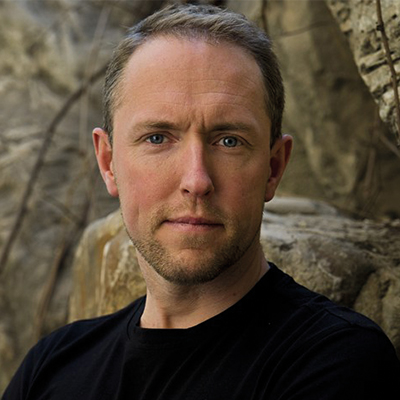
Mattias Klum is a world renown Nat Geo photographer, filmmaker, and author. Since the 1980s, his work has been widely published in magazines such as The New York Times, GEO, Der Spiegel, and National Geographic, where his images have appeared on the cover 13 times. As a filmmaker, he has produced a number of award-winning films and TV productions, and he has published 15 books to date.
Two of these books were written together with Johan Rockström: Our Time on Earth and Sustainable Welfare Within Planetary Boundaries, with a foreword by President Bill Clinton; as well as Big World, Small Planet – Welfare Within Planetary Boundaries, and The Perpetual Calendar of Life, which was written in collaboration with Dr. Jane Goodall. For more than three decades, his work has been driven by the desire to engage audiences regarding threatened environments, species, and cultures.
Read more about Mattias here!
Read more about Mattias Klum.
MATTIAS KLUM – National Geographic photographer
Mattias Klum is a world renown Nat Geo photographer, filmmaker, and author. Since the 1980s, his work has been widely published in magazines such as The New York Times, GEO, Der Spiegel, and National Geographic, where his images have appeared on the cover 13 times. As a filmmaker, he has produced a number of award-winning films and TV productions, and he has published 15 books to date.
Two of these books were written together with Johan Rockström: Our Time on Earth and Sustainable Welfare Within Planetary Boundaries, with a foreword by President Bill Clinton; as well as Big World, Small Planet – Welfare Within Planetary Boundaries, and The Perpetual Calendar of Life, which was written in collaboration with Dr. Jane Goodall. For more than three decades, his work has been driven by the desire to engage audiences regarding threatened environments, species, and cultures.
Read more about Mattias here!
LODGES
LODGES


PRICE, FACTS & BOOKING
PRICE, FACTS & BOOKING
PRICE
Price per person: USD 7 950
The price includes:
- Accommodation in shared double rooms at the presented lodges.
- Meals according to the program (B = Breakfast, L = Lunch, D = Dinner).
- Bus transfers according to the program.
- Safaris as specified in the program.
- Park fees.
- Participation of Mattias Klum throughout the entire trip.
- Lectures and image reviews led by Mattias Klum.
- Local guides on site.
- Hotel and other local taxes.
- Travel information prior to departure.
The price does not include:
- Return flights to/from South Africa.
- Single room supplement: USD 1.350.
- Tips for the local head guide (approx. USD 10–15 per person per day).
- Personal expenses such as alcoholic beverages, etc.
- Cancellation protection / travel insurance. For more information, see our website under “Other Information.”
FLIGHTS
Regarding flights, you should arrive in Hoedspruit no later than 12:30 on December 7. The return journey should depart from Kruger Mpumalanga International Airport no earlier than 14:00 on December 15. Once the minimum number of participants has been reached, we will send out flight suggestions.
We recommend that you arrive in Hoedspruit a day before the program starts, as it is a long journey with several hours of time difference, and flight delays may occur. If you wish to stay in South Africa after the trip has ended, this is also possible.
If you/your party would like assistance booking flights or additional hotel nights, we are more than happy to help. You are welcome to call us at +46 470 466 40, email us at info@zoomphototours.com, or inform us when making your reservation.
FACTS
Target group: Photographers interested in developing their skills in wildlife, and nature photography.
Min/max number of participants: 9/12
Other: For more information about Zoom Photo Tours, terms and conditions, etc., please see our website under “Other Information.”
PHOTO EQUIPMENT
- Your camera.
- A standard zoom lens from 24 up to 200 mm for landscape photography.
- A long telephoto lens up to 500/600 mm for wildlife photography.
- A monopod.
- Memory cards and a card reader.
- Extra batteries and a charger.
- A cleaning kit for your camera/lenses.
- A laptop with either Photoshop CS or Lightroom installed.
BOOKING
You book your participation by clicking the button below. You are also welcome to call us at +46 470 466 40 or email us at info@zoomphototours.com


Photo: Mattias Klum & Hans Elmqvist
OUR NEWSLETTER
Be the first to hear about new tours, offers and travel inspiration from Zoom Phototours.
Newsletter
CONTACT
E-mail: info@zoomphototours.com
Telephone: +46 (0)470 – 466 40
Follow our photo adventures on social media.


Photo: Serkan Gunes