
WILD JAPAN
WITH PHOTOGRAPHER ROGER BRENDHAGENCOUNTRY: Japan FOTO: Wildlife/Birds LENGTH: 8 days DATES: Feb. 14-21 2028 MIN/MAX PARTICIPANTS: 8/12

Japan, for me as a nature photographer, is magical. To be able to capture Steller’s sea eagles among the drift ice, dancing cranes in the dawn mist, and snow monkeys bathing in hot springs, all on the same trip. This is something everyone should get to experience.
Roger Brendhagen
Join an unforgettable winter expedition to wild Japan, from Tokyo’s pulsing streets to Hokkaido’s frost-covered wilderness, led by Roger Brendhagen!
This is a trip for those who want to capture nature at its most dramatic. We travel through a Japan that most people never get to see: a landscape of drifting pack ice, mist-shrouded rivers, and snow-laden mountains, where three of the world’s most iconic animal subjects await in front of the camera.
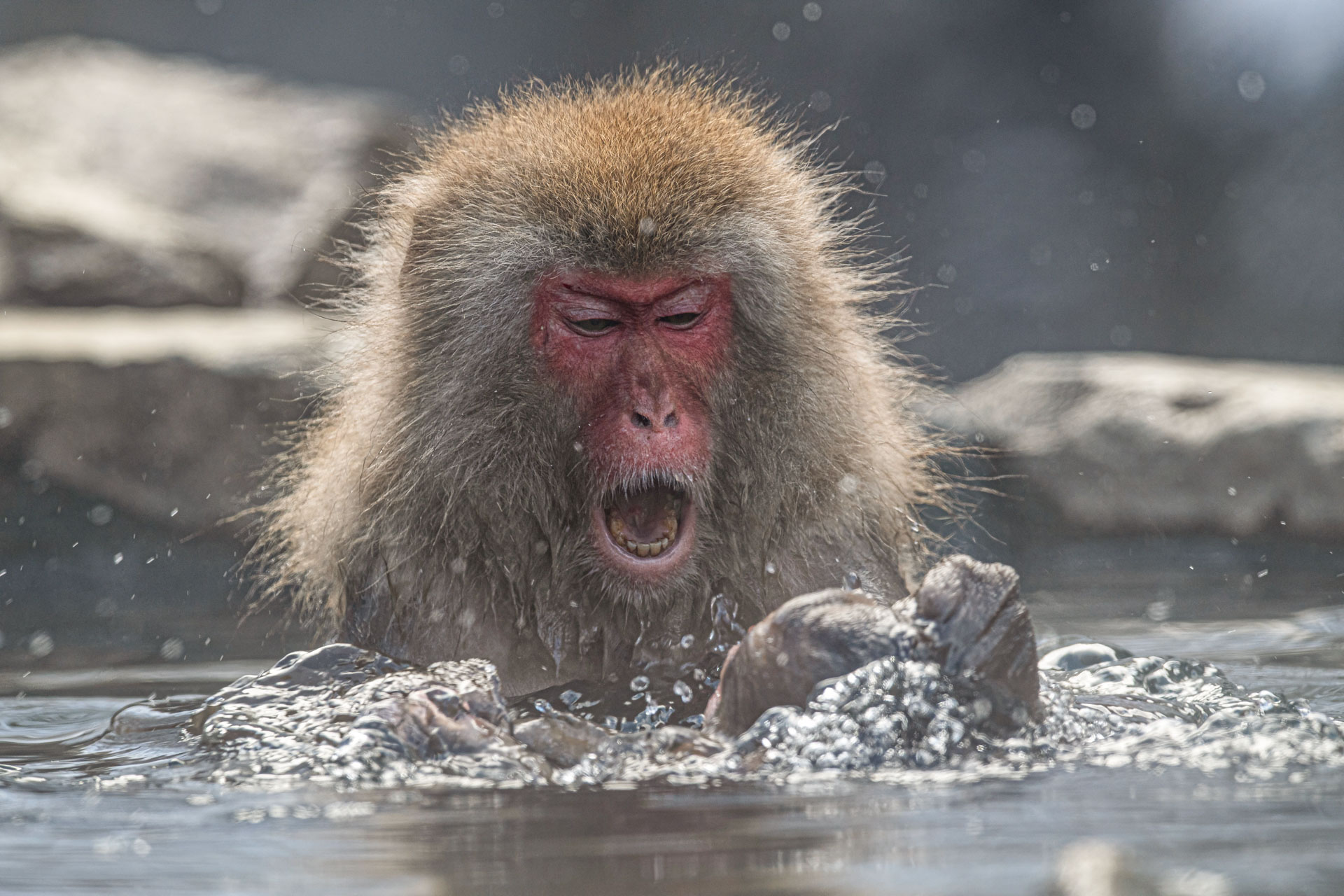
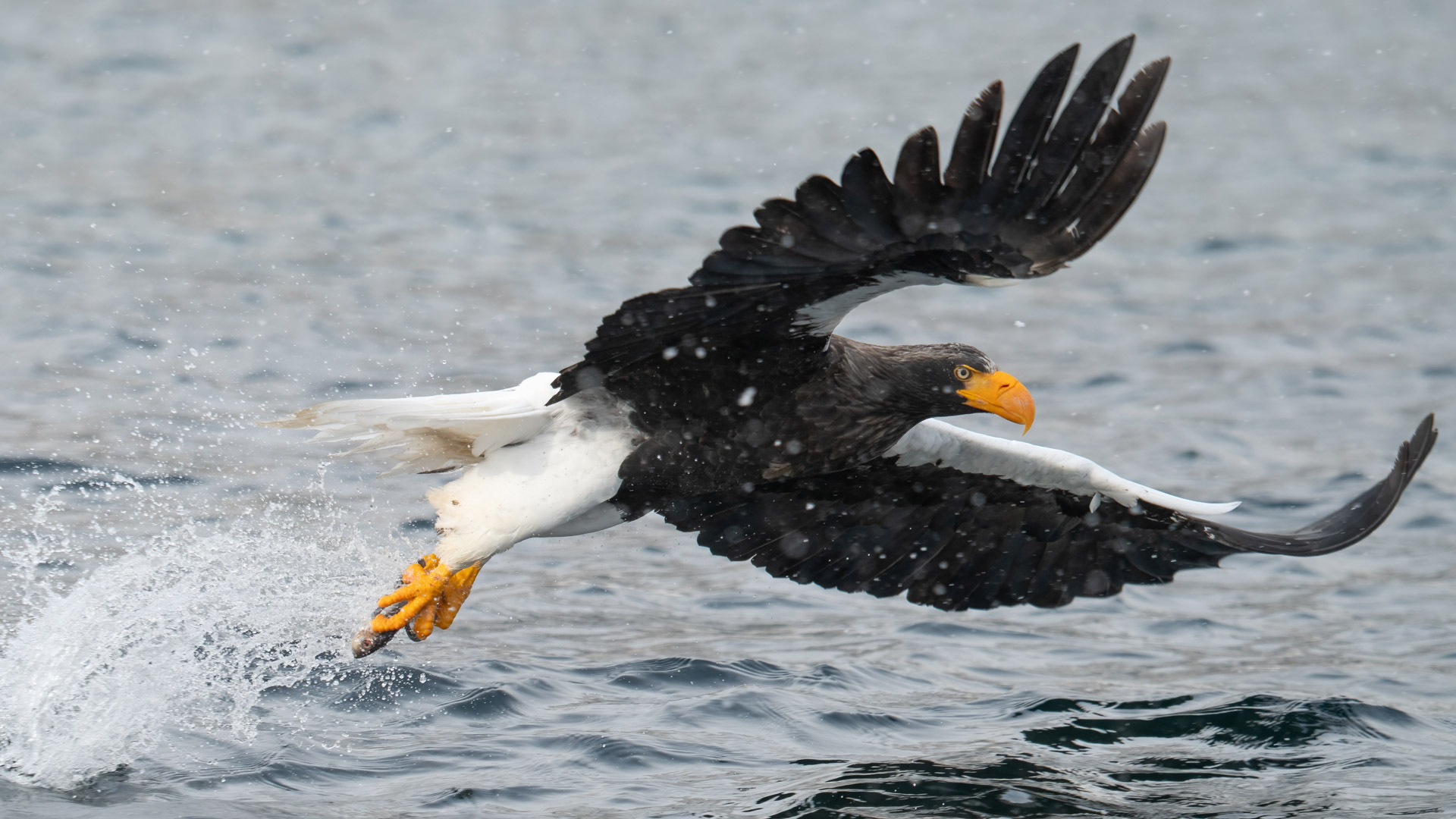
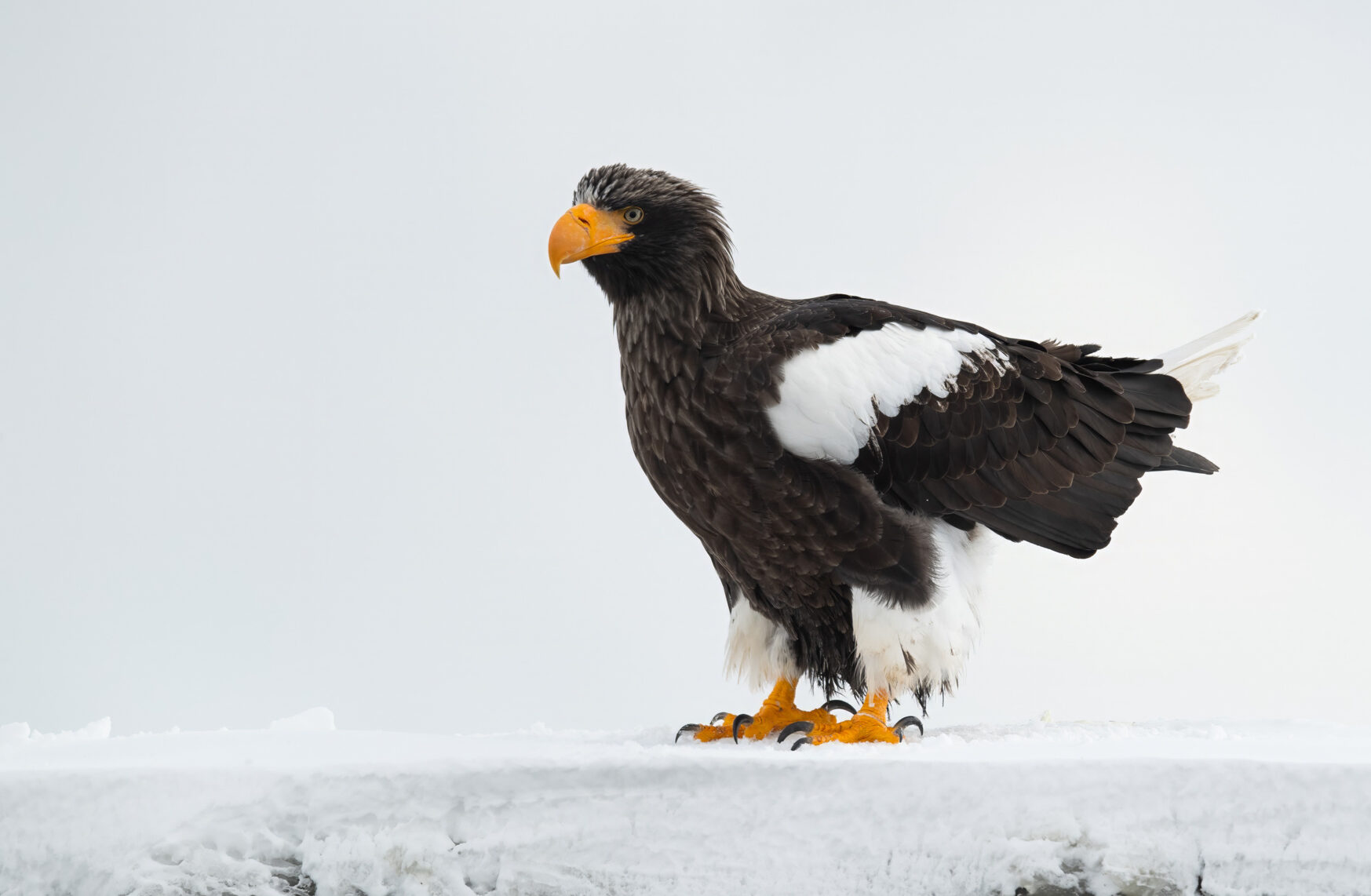
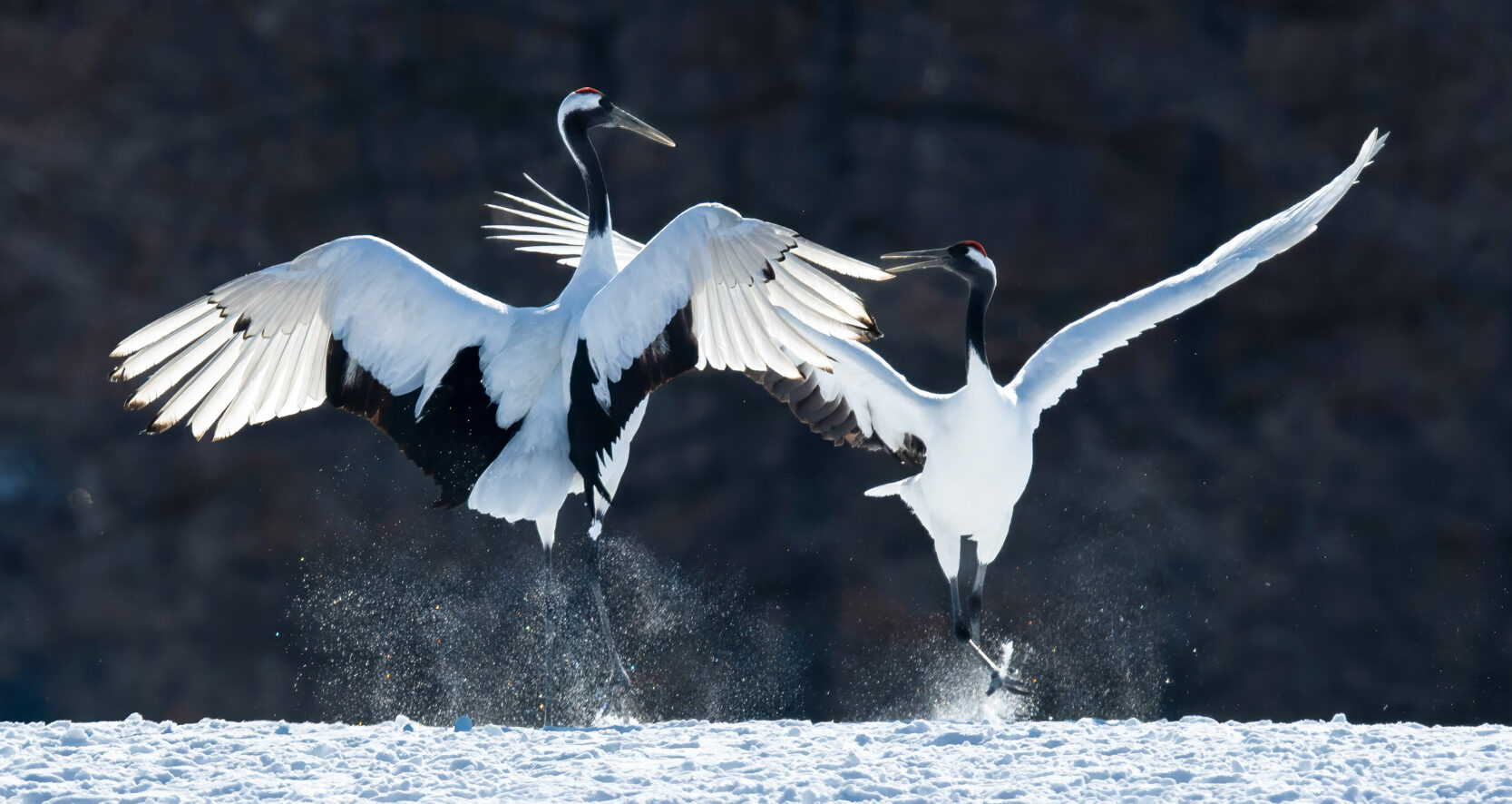
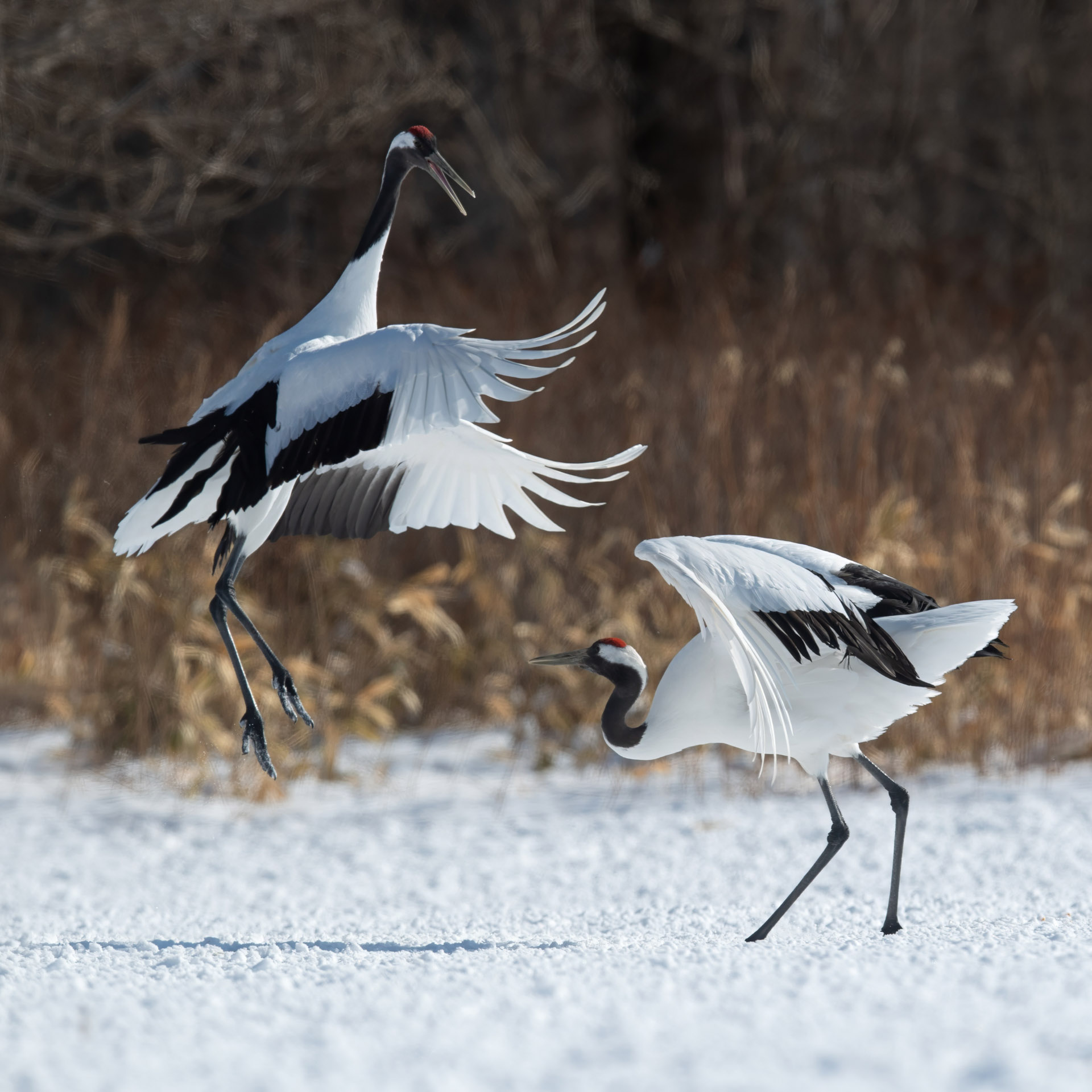
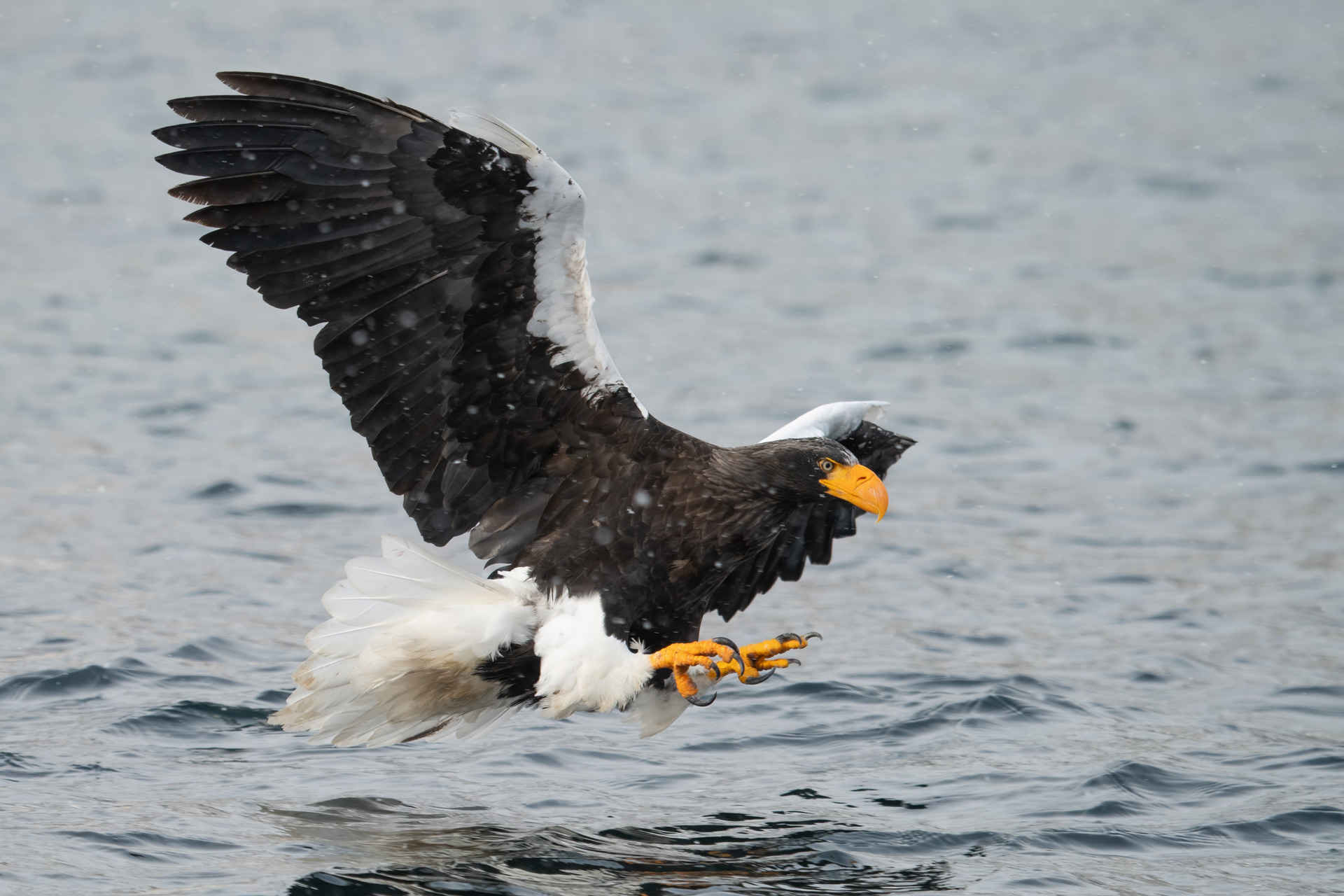
On the Shiretoko Peninsula, a UNESCO World Heritage Site, we meet the Steller’s sea eagle — one of the planet’s most powerful birds of prey, with a wingspan of over two meters — as it swoops down toward the ice floes in the cold, pink light of dawn. At the Otowa Bridge in Tsurui, we watch the elegant Japanese cranes wake from the mist and dance for one another in light that looks almost painted. And up in the mountains at Jigokudani, the famous snow monkeys bathe in steaming hot springs as snow drifts down into their fur — one of the few places in the world where wild primates can be photographed at such close range.
Join Roger Brendhagen on this exclusive winter trip and experience wild Japan through the camera lens. It will be a journey full of inspiration, growth, and fantastic images to bring home.
TOUR HIGHLIGHTS
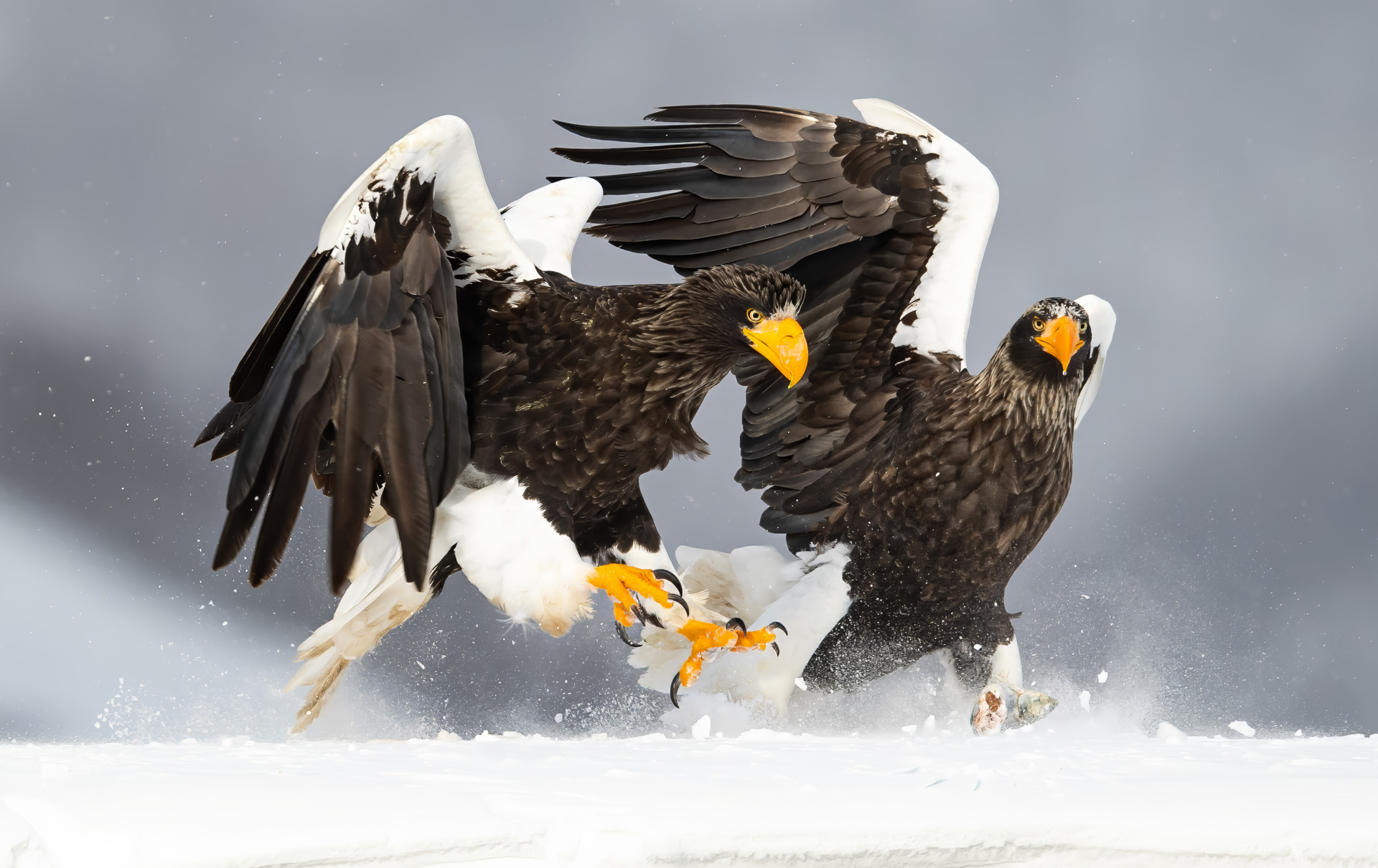
- Steller’s sea eagles photographed from a boat among the pack ice off Rausu.
- The dramatic Shiretoko Peninsula, one of Japan’s most pristine landscapes, on the UNESCO World Heritage List.
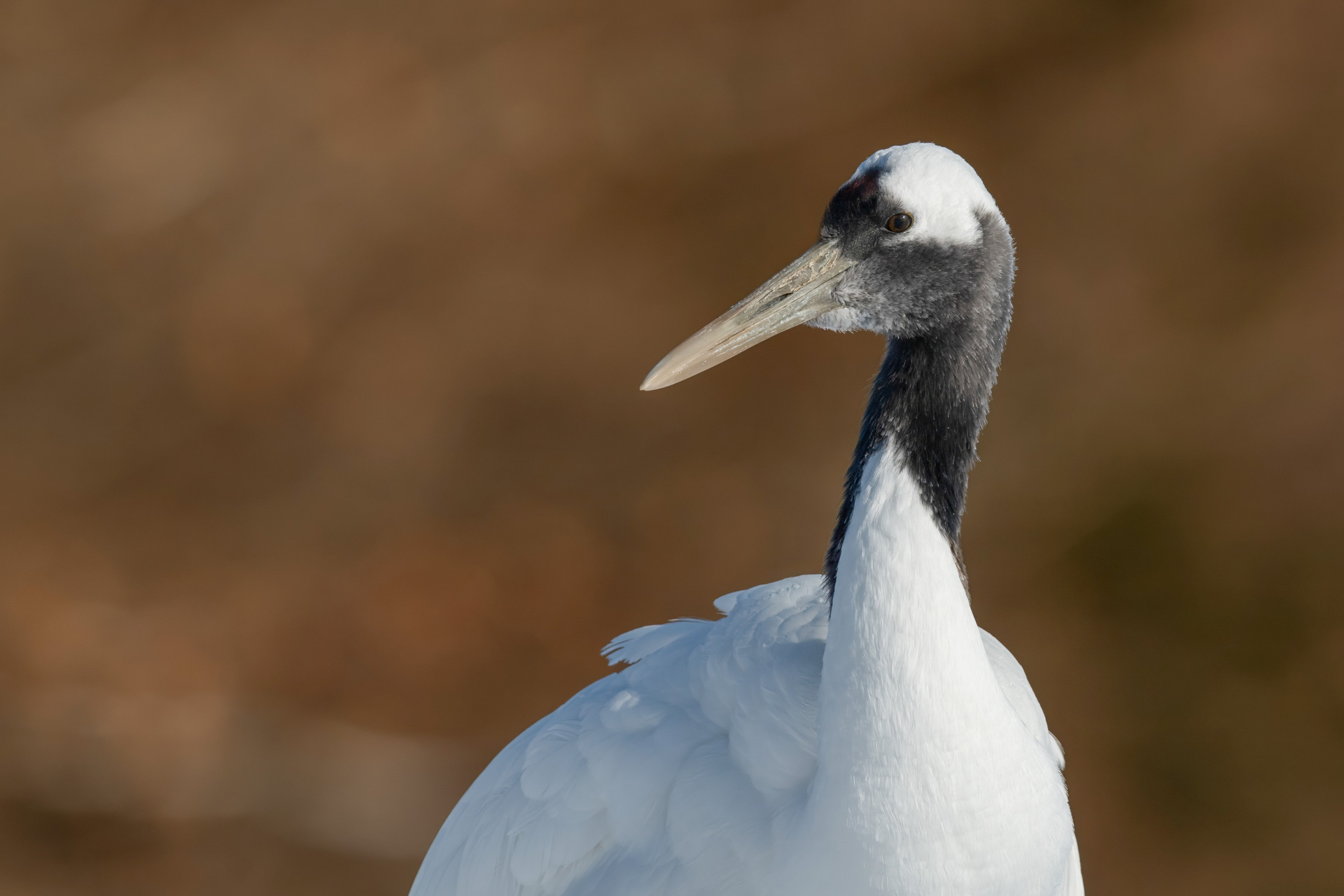
- The Japanese cranes at the Otowa Bridge, sleeping in the mist over the Setsuri River.
- The cranes’ mating dance in warm evening light at the Setsuri River.
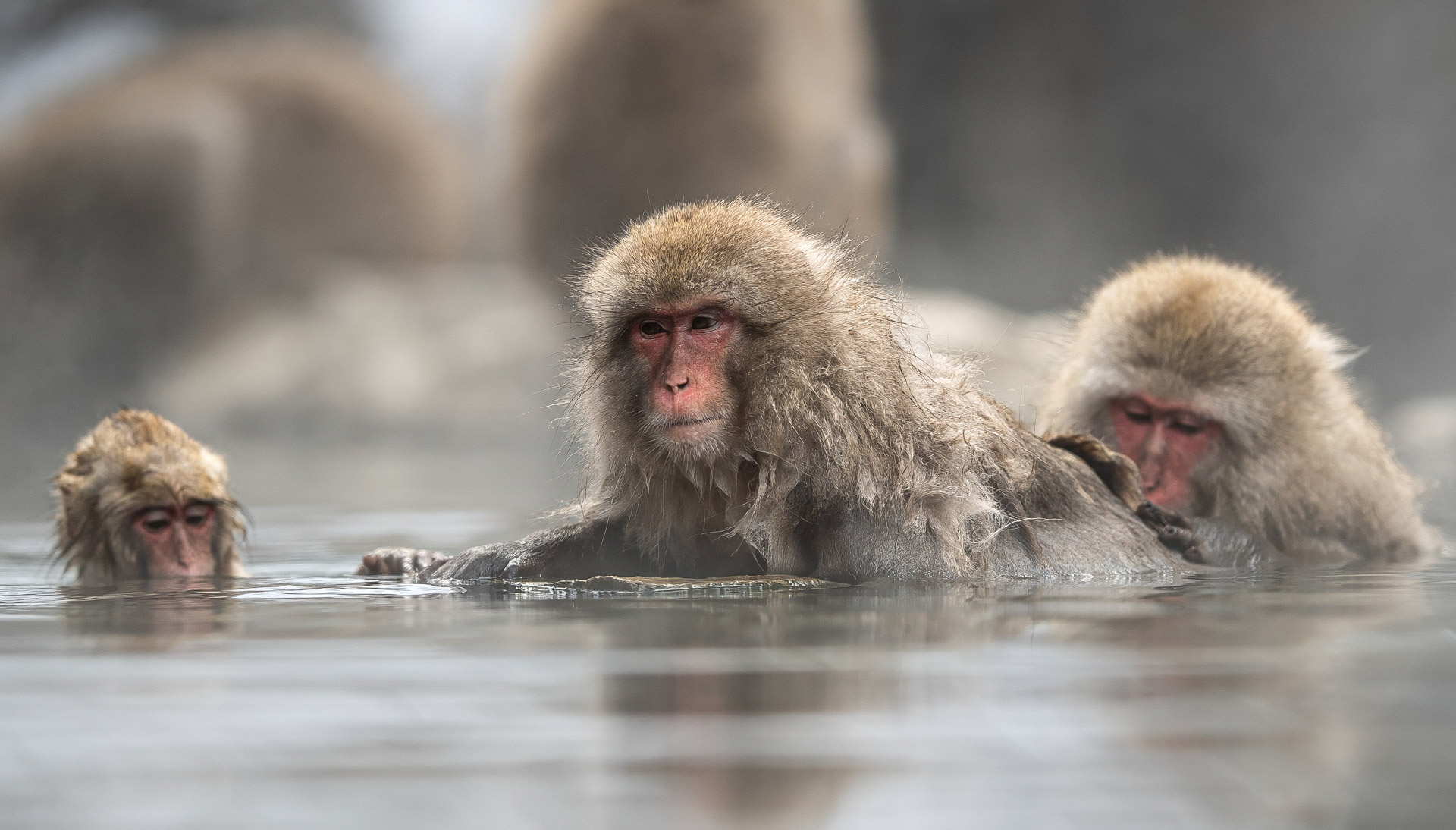
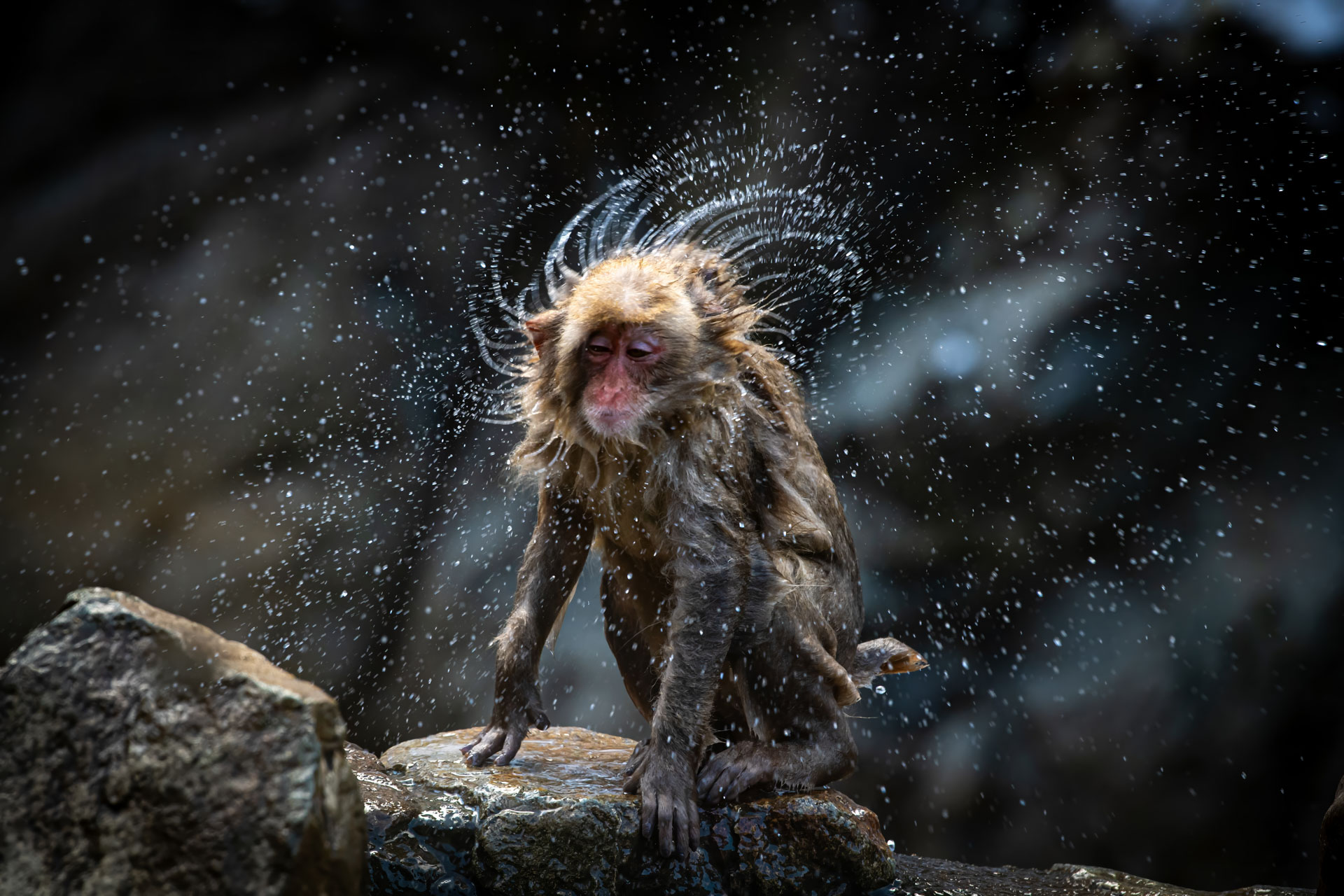
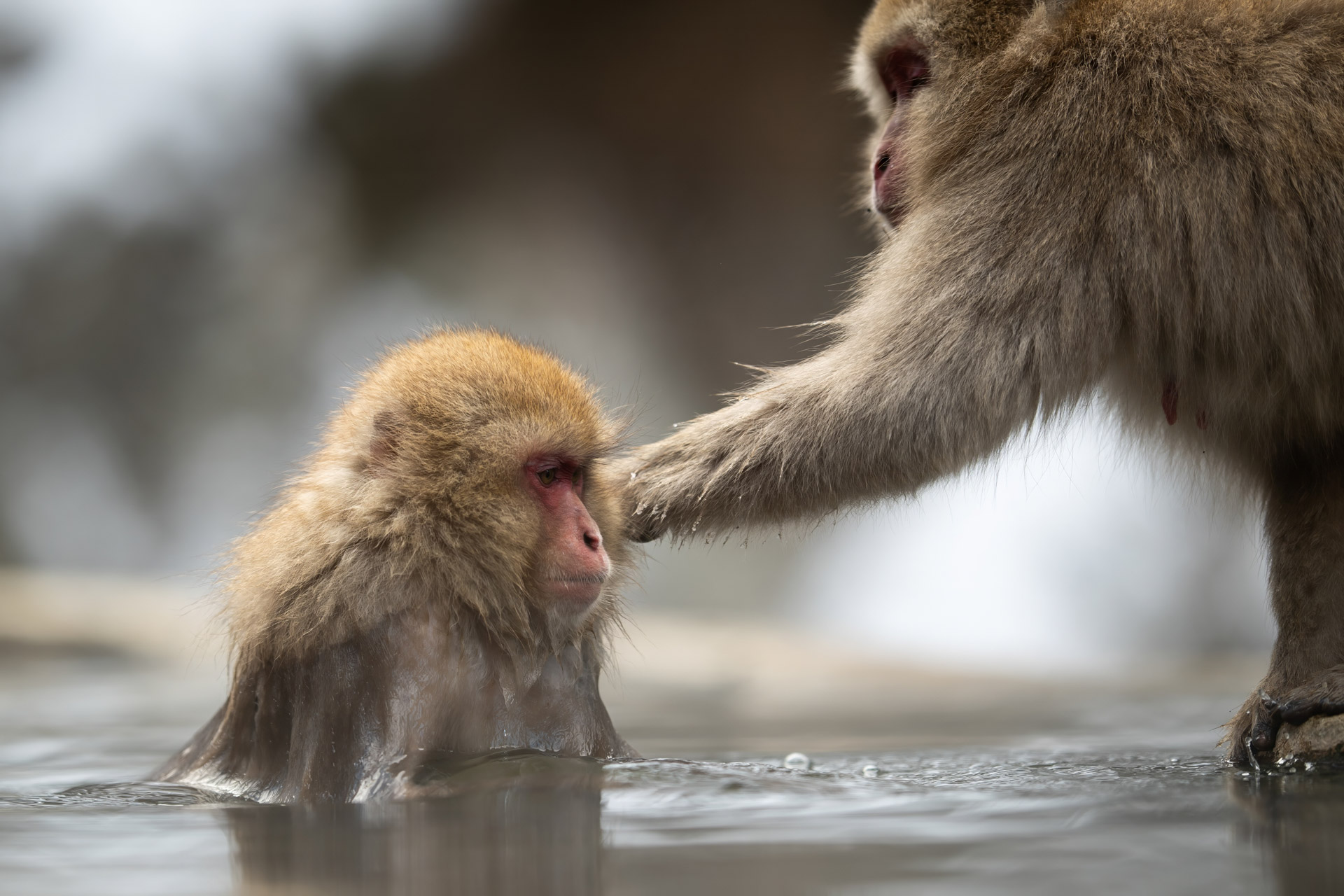
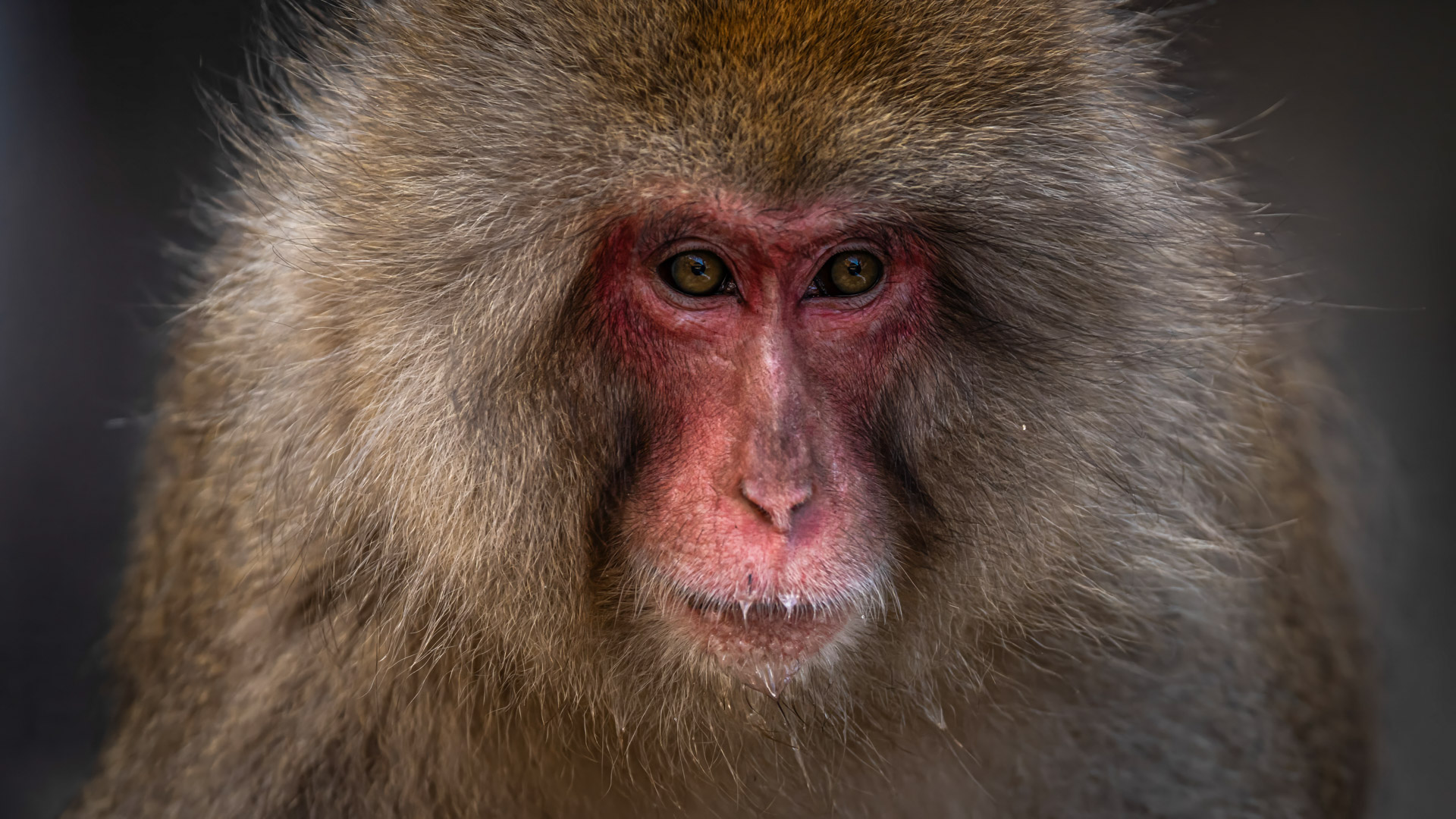
- The famous snow monkeys bathing in hot springs at Jigokudani Monkey Park.
- Tokyo, an explosive blend of the ultramodern and the traditional.
- A ride on the shinkansen, the Japanese high-speed train, through snow-covered landscapes.
- The participation and personal guidance of Roger Brendhagen throughout the trip.
- Challenging photo assignments, constructive image critique, and inspiring talks.
COUNTRY: Japan FOTO: Wildlife/Birds LENGTH: 8 days DATES: Feb. 14-21 2028 MIN/MAX PARTICIPANTS: 8/12
WILD JAPAN
WITH PHOTOGRAPHER ROGER BRENDHAGEN
Japan, for me as a nature photographer, is magical. To be able to capture Steller’s sea eagles among the drift ice, dancing cranes in the dawn mist, and snow monkeys bathing in hot springs — all on the same trip — is something everyone should get to experience
Roger Brendhagen
FJoin an unforgettable winter expedition to wild Japan, from Tokyo’s pulsing streets to Hokkaido’s frost-covered wilderness, led by Roger Brendhagen!
This is a trip for those who want to capture nature at its most dramatic. We travel through a Japan that most people never get to see: a landscape of drifting pack ice, mist-shrouded rivers, and snow-laden mountains, where three of the world’s most iconic animal subjects await in front of the camera.
On the Shiretoko Peninsula, a UNESCO World Heritage Site, we meet the Steller’s sea eagle — one of the planet’s most powerful birds of prey, with a wingspan of over two meters — as it swoops down toward the ice floes in the cold, pink light of dawn. At the Otowa Bridge in Tsurui, we watch the elegant Japanese cranes wake from the mist and dance for one another in light that looks almost painted. And up in the mountains at Jigokudani, the famous snow monkeys bathe in steaming hot springs as snow drifts down into their fur — one of the few places in the world where wild primates can be photographed at such close range.
Join Roger Brendhagen on this exclusive winter trip and experience wild Japan through the camera lens. It will be a journey full of inspiration, growth, and fantastic images to bring home.
TOUR HIGHLIGHTS
- Steller’s sea eagles photographed from a boat among the pack ice off Rausu.
- The dramatic Shiretoko Peninsula, one of Japan’s most pristine landscapes, on the UNESCO World Heritage List.
- The Japanese cranes at the Otowa Bridge, sleeping in the mist over the Setsuri River.
- The cranes’ mating dance in warm evening light at the Setsuri River.
- The famous snow monkeys bathing in hot springs at Jigokudani Monkey Park.
- Tokyo, an explosive blend of the ultramodern and the traditional.
- A ride on the shinkansen, the Japanese high-speed train, through snow-covered landscapes.
- The participation and personal guidance of Roger Brendhagen throughout the trip.
- Participation of photographer Roger Brendhagen during the entire trip.
- Challenging photo assignments, constructive image critique, and inspiring talks..
DESTINATIONS
DESTINATIONS
RAUSU & THE SHIRETOKO PENINSULA
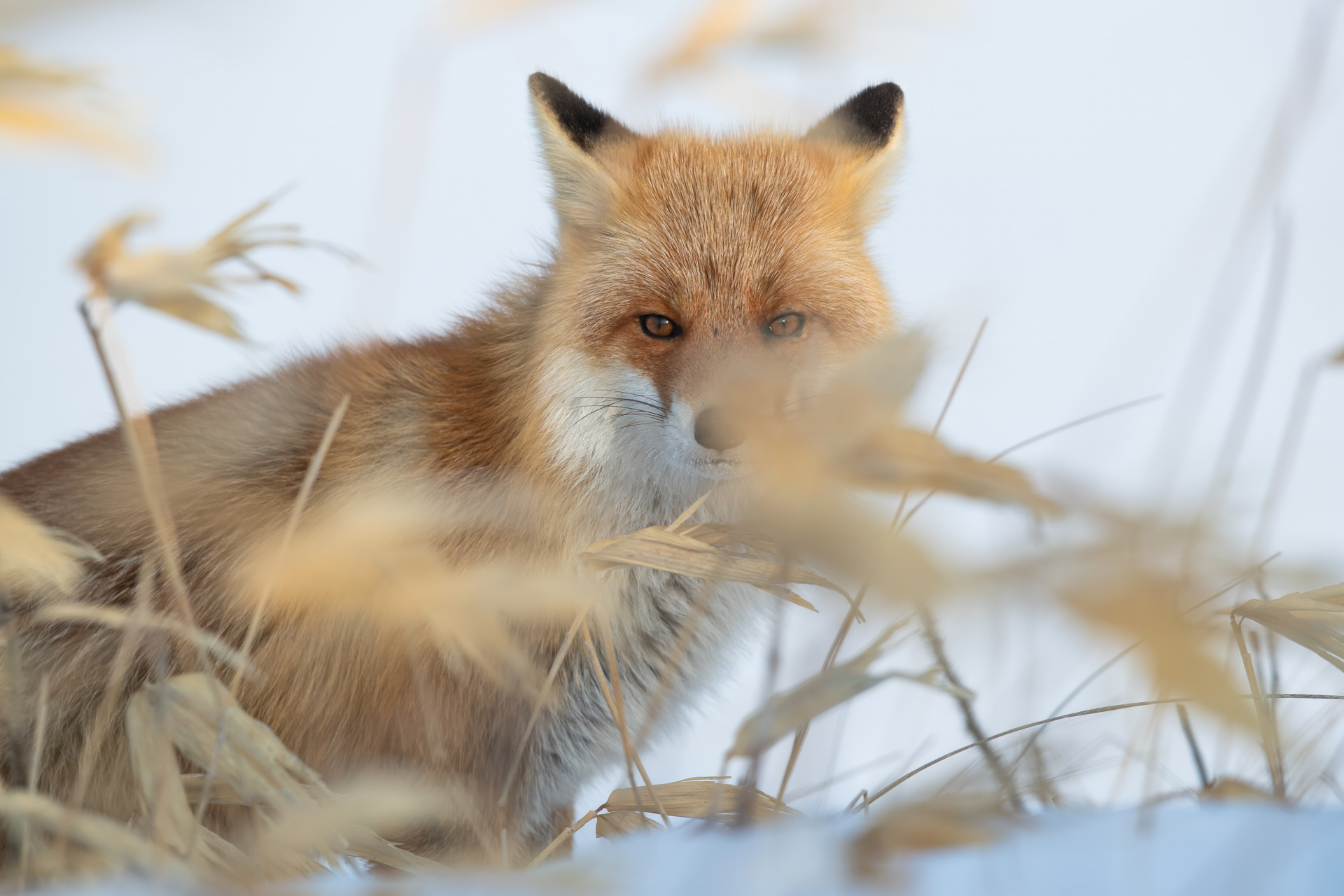
At the far northeastern tip of Hokkaido lies Rausu, known as Japan’s eagle capital, at the foot of the Shiretoko Peninsula — one of the country’s most remote places, accessible only on foot or by boat. The name Shiretoko comes from the Ainu “sir etok,” “the place where the earth juts out,” and in 2005 the area was designated a UNESCO World Heritage Site. Here, steep cliffs meet the icy Sea of Okhotsk, mixed forests of Sakhalin fir, birch, and oak climb the mountainsides, and drifting pack ice creates an ever-changing pattern along the coast. The peninsula is home to Japan’s largest brown bear population and a rich birdlife, and it is here that Steller’s sea eagles and white-tailed eagles come to hunt among the ice floes. For a photographer, this is a dream landscape of raw contours, dramatic plays of light, and an atmosphere that feels more primeval than real.
TSURUI & THE OTOWA BRIDGE
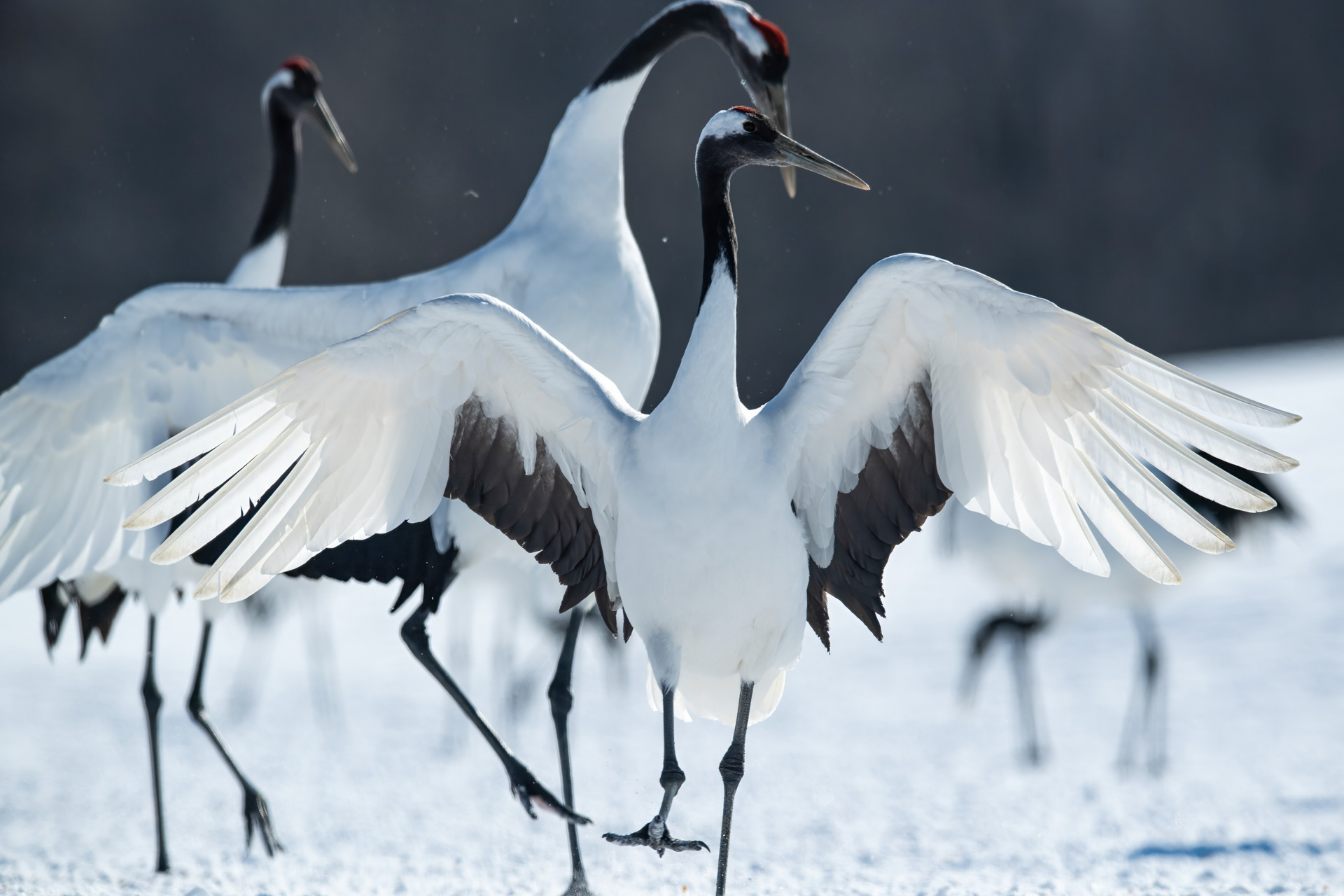
Inland on Hokkaido lies Tsurui, one of the most important haunts of one of Japan’s most iconic bird species, the Japanese crane (red-crowned crane). It is one of the world’s rarest cranes, wearing snow-white plumage with black wing feathers and a glowing red crown that grows more vivid during the mating season. In Japan it has long been a symbol of luck, longevity, and fidelity. At the Otowa Bridge — one of the country’s most legendary photo locations — the Setsuri River winds through a winter landscape wrapped in mist. In the ice-blue light of dawn, the cranes stand sleeping in the flowing water, and as the sun sinks, the snow is tinged gold, pink, and purple while the birds dance for one another in their elegant courtship rituals.
NAGANO & JIGOKUDANI
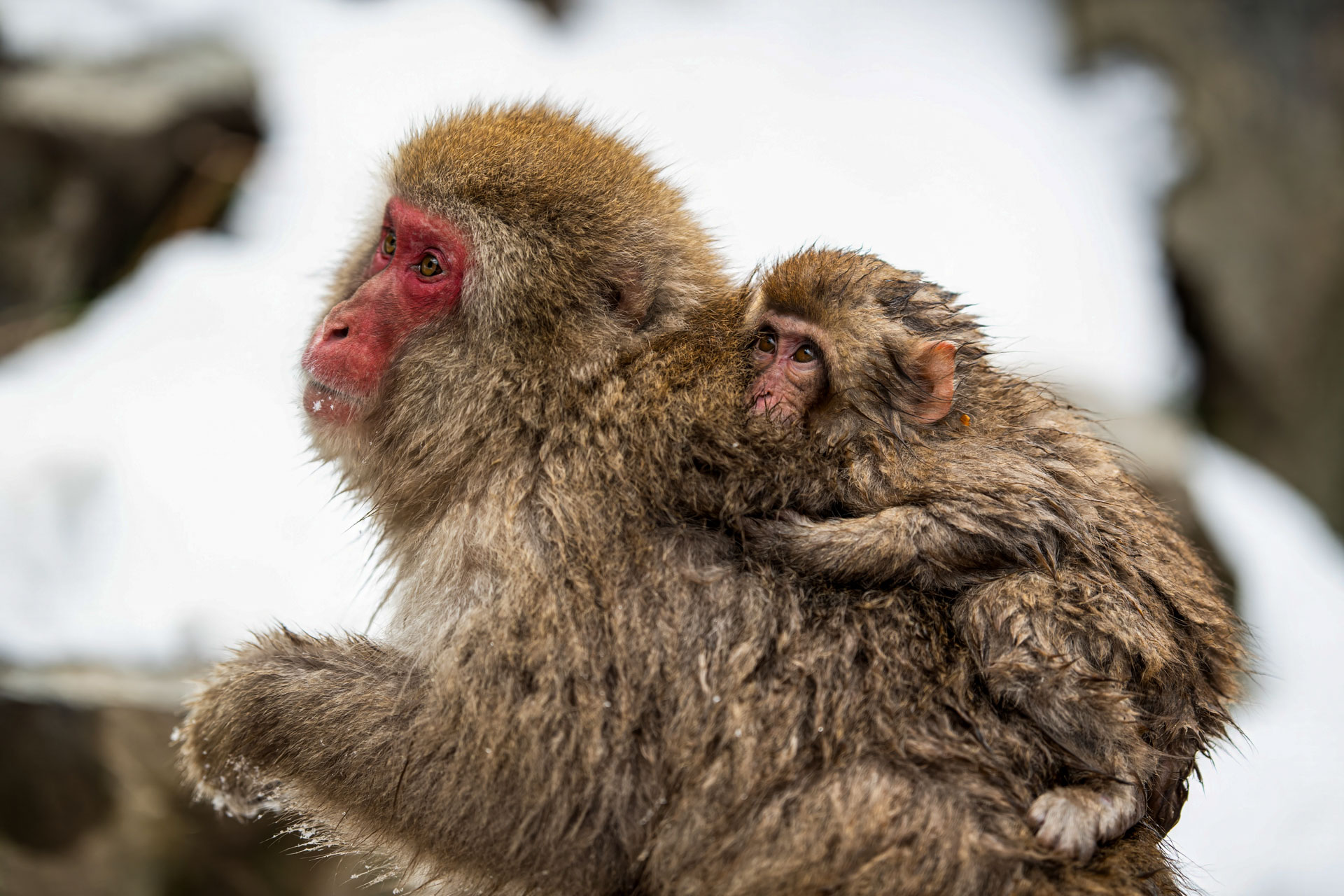
Among the mountains of central Japan lies Nagano, known for the 1998 Winter Olympics and surrounded by tall, snow-covered peaks. Here in the Yokoyu River valley, about 850 meters above sea level and accessible only via a two-kilometer footpath through the forest, lies Jigokudani Monkey Park. The name Jigokudani means “Hell Valley,” referring to the steam and boiling-hot water that bubble up from cracks in the frozen ground. Snow covers the valley for about four months a year, and during winter a troop of wild Japanese macaques — better known as snow monkeys — gathers to bathe in the warm springs, returning to the forest in the evenings. It is one of the few places in the world where wild primates can be photographed at such close range and in such an unusual setting.
ITINERARY
ITINERARY
FEBRUARY 14-21 2028
Throughout the trip, Roger is continuously available for individual photo tips and advice. We will also work with image editing and talk a great deal about composition, as well as review and evaluate each other’s images. Roger will also give inspiring talks to provide ideas for your photography.
DAY 1, (Feb. 14) – WELCOME TO JAPAN
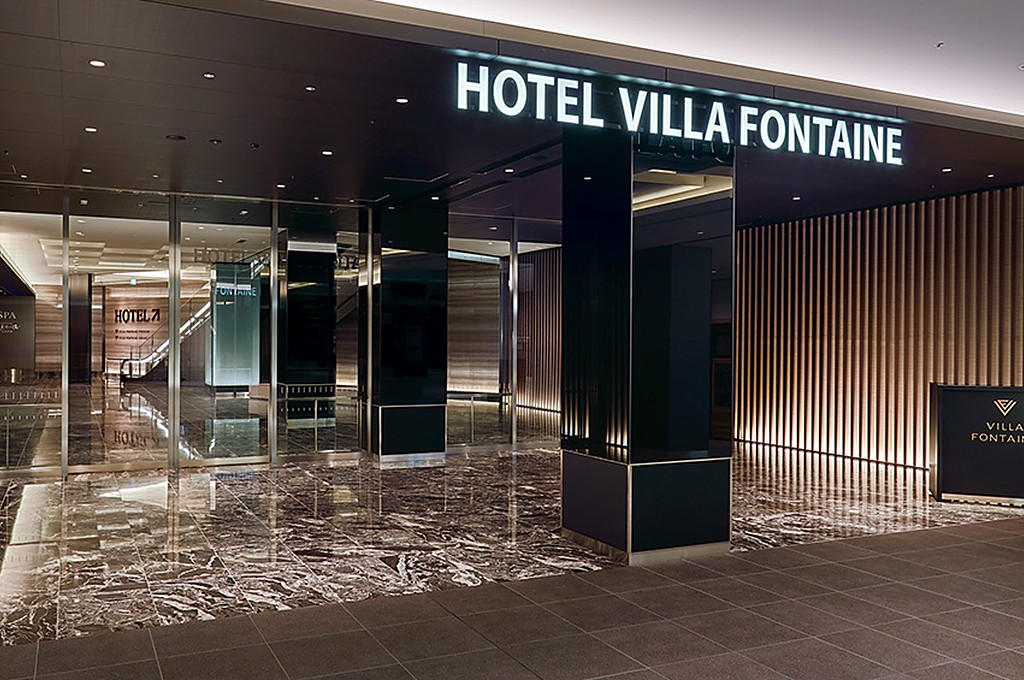
Gathering at the first-class Hotel Villa Fontaine Grand Haneda Airport during the day. Here you’ll be met by Roger Brendhagen and a host from Zoom Photo Tours. Check-in followed by time on your own. Tokyo, Japan’s pulsing capital, is an explosive blend of the ultramodern and the traditional, where illuminated skyscrapers stand alongside historic temples. During the day there is time to explore the city on your own. Since participants arrive at different times during the day and evening, there is an informal gathering in the hotel bar in the evening.
DAY 2, (Feb. 15) – TRANSFER TO RAUSU
After breakfast we leave the big city’s pulsing rhythm behind and head to Haneda Airport for the domestic flight north to Hokkaido and Kushiro Airport. When we land, we are met by an entirely different world — a wintry wilderness where the air is sharp, the snow glitters, and the horizon opens up in soft, white waves. From here we continue toward Rausu, Hokkaido’s eagle capital, a journey of about three hours through a landscape that slowly transforms from coastal plains to dramatic mountain passes and frost-covered forests. On arrival in Rausu, the Shiretoko Peninsula awaits — one of Japan’s most untouched and untamed corners, on the UNESCO World Heritage List. Here, steep cliffs meet the icy Sea of Okhotsk, dense cedar forests climb the mountainsides, and drifting sea ice creates an ever-changing pattern along the coast. For a photographer, this is a dream landscape of raw contours, dramatic plays of light, and an atmosphere that feels more primeval than real. Check-in at the Kitakobushi Shiretoko Hotel & Resort. Now there is time to capture the soul of the peninsula before evening falls and we gather for dinner. (B, L, D)
DAY 3, (Feb. 16) – EAGLE PHOTOGRAPHY FROM A BOAT
In the morning we head down to the harbor where a boat awaits for the day’s great experience. As we glide out among the pack ice, the first cold light of dawn begins to paint the sky in pastel pink and blue. Suddenly the mighty Steller’s sea eagle appears — one of the world’s most powerful birds of prey, with a wingspan of over two meters — together with the elegant white-tailed eagle. They circle over the ice floes, swoop down with powerful precision, and fill the air with a spectacle few photographers ever get to experience at such close range. Here it’s a matter of being quick with the camera but also of breathing in the moment. Roger is at your side to help with settings, composition, and the little tricks that make the difference between a good image and a truly memorable one. We return to land with full memory cards. In the afternoon we make another outing, either by boat or from vantage points on land, depending entirely on local conditions and in order to gain different perspectives. If conditions are right, and for those who wish, in the evening we will head out to look for Blakiston’s fish owl, the world’s largest owl species by body size and weight. We do this from a hide by a nearby stream. This activity is optional. (B, L, D)
DAY 4, (Feb. 17) – EAGLE PHOTOGRAPHY & ONWARD TO TSURUI Another early morning, another chance to meet the eagles in their true element. We return to the harbor while the stars are still shining and head out among the ice floes for a final, intense photography session. When the first sunlight breaks over the Sea of Okhotsk, the ice transforms into a glittering mosaic landscape, and the eagles return to hunt. It is photography in its purest form — cold, powerful, and utterly captivating. After the morning’s adventure we pack our bags and begin the journey inland toward Tsurui, home to another of Japan’s most iconic bird species, the red-crowned crane that we will meet in the coming days. In the late afternoon you head to the Setsuri River for a photo session, where you’ll have the chance to photograph the elegant red-crowned cranes as they return to their roosting sites against the beautiful backdrop of the setting sun. Overnight at the Shibu Hotel in Kushiro. (B, L, D)
DAY 5, (Feb. 18) – CRANE PHOTOGRAPHY
In the morning we head to the Otowa Bridge, one of Japan’s most legendary photo locations. As the first ice-blue light settles over the Setsuri River, a fairytale scene reveals itself: hundreds of cranes standing asleep in the flowing water, surrounded by thick veils of mist moving slowly along the river. After a well-earned break, we return in the afternoon to the Setsuri River, this time to capture the cranes in entirely different light. As the sun sinks, the snow is colored in warm tones of gold, pink, and purple. The cranes land with outstretched wings, dance for one another in courtship rituals, and bid the day farewell in light that seems painted. Roger is with you the whole time to inspire, spark ideas, and help with both technique and expression. (B, L, D)
DAY 6, (Feb. 19) – TOWARD NAGANO
After breakfast we leave Hokkaido’s white expanses behind. We head to Kushiro Airport for the domestic flight to Tokyo, where we continue to Tokyo Station and board the shinkansen — the Japanese high-speed train that takes us westward toward Nagano. The journey itself is an experience: open countryside, farmland, and snow-covered mountain peaks rush past the window at 250 kilometers per hour. On arrival in Nagano we check into the hotel and have time to rest our legs. The city, which became famous for the 1998 Olympics, is surrounded by tall mountains and has a calm atmosphere all its own. Dinner is enjoyed at a local restaurant focusing on the region’s specialties — perhaps soba noodles made from local buckwheat or slices of aromatic miso-based meat. (B, L, D)
DAY 7, (Feb. 20) – THE FASCINATING SNOW MONKEYS
After breakfast we head up into the mountains toward Jigokudani Monkey Park. Here lives a troop of wild Japanese macaques, better known as “snow monkeys,” and during the winter half of the year they gather around the park’s natural hot springs, where they bathe with evident pleasure as snow drifts down into their fur. It is one of the few places in the world where you can photograph wild primates at such close range, in such an unusual setting. We have plenty of time to find our favorite subjects: a mother and young pressed close together in the steam, an old male with icy eyebrows, two juveniles playing in the snowdrifts. Roger is at your side to help with exposure in the challenging light and with compositions that truly capture the story. After this we travel back to Tokyo by shinkansen and check in at the Hotel Villa Fontaine Grand Haneda Airport. In the evening we gather for a proper Japanese farewell dinner. (B, L, D)
DAY 8, (Feb. 21) – JOURNEY HOME
After breakfast we check out and make our way home. With memory cards full of snow-covered eagles, dancing cranes, and bathing macaques, the plane lifts off for home — and new, unforgettable memories travel back with us. (B)

THE ITINERARY FOR OUR DAYS IN JAPAN
FEBRUARY 14-21 2028
Throughout the trip, Roger is continuously available for individual photo tips and advice. We will also work with image editing and talk a great deal about composition, as well as review and evaluate each other’s images. Roger will also give inspiring talks to provide ideas for your photography.
DAY 1, (Feb. 14)
WELCOME TO JAPAN
Gathering at the first-class Hotel Villa Fontaine Grand Haneda Airport during the day. Here you’ll be met by Roger Brendhagen and a host from Zoom Photo Tours. Check-in followed by time on your own. Tokyo, Japan’s pulsing capital, is an explosive blend of the ultramodern and the traditional, where illuminated skyscrapers stand alongside historic temples. During the day there is time to explore the city on your own. Since participants arrive at different times during the day and evening, there is an informal gathering in the hotel bar in the evening.
DAY 2, (Feb. 15)
TRANSFER TO RAUSU
After breakfast we leave the big city’s pulsing rhythm behind and head to Haneda Airport for the domestic flight north to Hokkaido and Kushiro Airport. When we land, we are met by an entirely different world — a wintry wilderness where the air is sharp, the snow glitters, and the horizon opens up in soft, white waves. From here we continue toward Rausu, Hokkaido’s eagle capital, a journey of about three hours through a landscape that slowly transforms from coastal plains to dramatic mountain passes and frost-covered forests. On arrival in Rausu, the Shiretoko Peninsula awaits — one of Japan’s most untouched and untamed corners, on the UNESCO World Heritage List. Here, steep cliffs meet the icy Sea of Okhotsk, dense cedar forests climb the mountainsides, and drifting sea ice creates an ever-changing pattern along the coast. For a photographer, this is a dream landscape of raw contours, dramatic plays of light, and an atmosphere that feels more primeval than real. Check-in at the Kitakobushi Shiretoko Hotel & Resort. Now there is time to capture the soul of the peninsula before evening falls and we gather for dinner. (B, L, D)
DAY 3, (Feb. 16)
EAGLE PHOTOGRAPHY
In the morning we head down to the harbor where a boat awaits for the day’s great experience. As we glide out among the pack ice, the first cold light of dawn begins to paint the sky in pastel pink and blue. Suddenly the mighty Steller’s sea eagle appears — one of the world’s most powerful birds of prey, with a wingspan of over two meters — together with the elegant white-tailed eagle. They circle over the ice floes, swoop down with powerful precision, and fill the air with a spectacle few photographers ever get to experience at such close range. Here it’s a matter of being quick with the camera but also of breathing in the moment. Roger is at your side to help with settings, composition, and the little tricks that make the difference between a good image and a truly memorable one. We return to land with full memory cards. In the afternoon we make another outing, either by boat or from vantage points on land, depending entirely on local conditions and in order to gain different perspectives. If conditions are right, and for those who wish, in the evening we will head out to look for Blakiston’s fish owl, the world’s largest owl species by body size and weight. We do this from a hide by a nearby stream. This activity is optional. (B, L, D)
DAY 4, (Feb. 17)
EAGLE PHOTOGRAPHY & ONWARD TO TSURUI
Another early morning, another chance to meet the eagles in their true element. We return to the harbor while the stars are still shining and head out among the ice floes for a final, intense photography session. When the first sunlight breaks over the Sea of Okhotsk, the ice transforms into a glittering mosaic landscape, and the eagles return to hunt. It is photography in its purest form — cold, powerful, and utterly captivating. After the morning’s adventure we pack our bags and begin the journey inland toward Tsurui, home to another of Japan’s most iconic bird species, the red-crowned crane that we will meet in the coming days. In the late afternoon you head to the Setsuri River for a photo session, where you’ll have the chance to photograph the elegant red-crowned cranes as they return to their roosting sites against the beautiful backdrop of the setting sun. Overnight at the Shibu Hotel in Kushiro. (B, L,D)
DAY 5, (Feb. 18)
CRANE PHOTOGRAPHY
In the morning we head to the Otowa Bridge, one of Japan’s most legendary photo locations. As the first ice-blue light settles over the Setsuri River, a fairytale scene reveals itself: hundreds of cranes standing asleep in the flowing water, surrounded by thick veils of mist moving slowly along the river. After a well-earned break, we return in the afternoon to the Setsuri River, this time to capture the cranes in entirely different light. As the sun sinks, the snow is colored in warm tones of gold, pink, and purple. The cranes land with outstretched wings, dance for one another in courtship rituals, and bid the day farewell in light that seems painted. Roger is with you the whole time to inspire, spark ideas, and help with both technique and expression. (B, L, D)
DAY 6, (Feb. 19)
TOWARD NAGANO
After breakfast we leave Hokkaido’s white expanses behind. We head to Kushiro Airport for the domestic flight to Tokyo, where we continue to Tokyo Station and board the shinkansen — the Japanese high-speed train that takes us westward toward Nagano. The journey itself is an experience: open countryside, farmland, and snow-covered mountain peaks rush past the window at 250 kilometers per hour. On arrival in Nagano we check into the hotel and have time to rest our legs. The city, which became famous for the 1998 Olympics, is surrounded by tall mountains and has a calm atmosphere all its own. Dinner is enjoyed at a local restaurant focusing on the region’s specialties — perhaps soba noodles made from local buckwheat or slices of aromatic miso-based meat. (B, L, D)
DAY 7, (Feb. 20)
THE FASCINATING SNOW MONKEYS
After breakfast we head up into the mountains toward Jigokudani Monkey Park. Here lives a troop of wild Japanese macaques, better known as “snow monkeys,” and during the winter half of the year they gather around the park’s natural hot springs, where they bathe with evident pleasure as snow drifts down into their fur. It is one of the few places in the world where you can photograph wild primates at such close range, in such an unusual setting. We have plenty of time to find our favorite subjects: a mother and young pressed close together in the steam, an old male with icy eyebrows, two juveniles playing in the snowdrifts. Roger is at your side to help with exposure in the challenging light and with compositions that truly capture the story. After this we travel back to Tokyo by shinkansen and check in at the Hotel Villa Fontaine Grand Haneda Airport. In the evening we gather for a proper Japanese farewell dinner. (B, L, D)
DAY 8, (Feb. 21)
JOURNEY HOME
After breakfast we check out and make our way home. With memory cards full of snow-covered eagles, dancing cranes, and bathing macaques, the plane lifts off for home — and new, unforgettable memories travel back with us. (B)
PHOTOGRAPHER
PHOTOGRAPHER
ROGER BRENDHAGEN • Wildlife Photographer
Roger Brendhagen has been a professional nature photographer for over twenty years and, with his more than 300 travel days per year, the whole world is his workplace. Roger is chairman of the Norwegian Nature Photographers (NN), a member of the Norwegian Nature Film Association, and has collaborated with Zoom Photo Tours for ten years. His images and reportage have been published in several European newspapers and magazines, and he has also worked with TV channels such as the BBC, contributing material to the series Wild Scandinavia. In recent years he has had several exhibitions with subjects ranging from Antarctica to Svalbard. In March 2020 he published his first book, alongside a major solo exhibition featuring images from Antarctica. In autumn 2024 he published two books together with Ole Mathismoen: The Bear – the Country’s Strongest and The Wolf – the Forest’s Smartest. During 2025 he will also release four new books: The Moose – King of the Forest and three children’s books — Baby Animals, Small Animals, and Big Animals. Roger leads photo workshops in Mongolia, Sri Lanka, India, Kenya, Svalbard, Canada, and the Nordic region, among others.
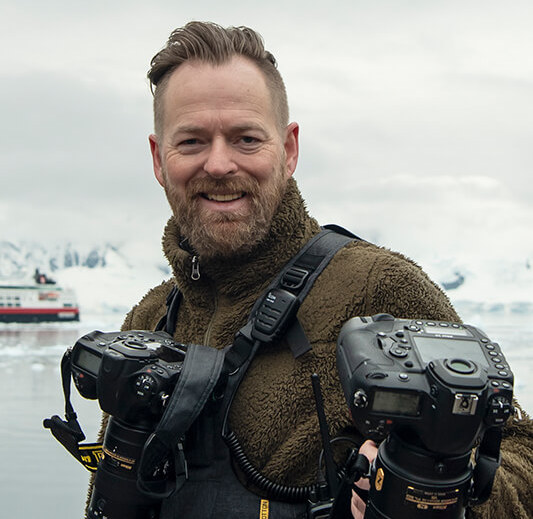
Learn more about Roger Brendhagen here.
ROGER BRENDHAGEN • Wildlife Nature Photographer
Roger Brendhagen has been a professional nature photographer for over twenty years and, with his more than 300 travel days per year, the whole world is his workplace. Roger is chairman of the Norwegian Nature Photographers (NN), a member of the Norwegian Nature Film Association, and has collaborated with Zoom Photo Tours for ten years. His images and reportage have been published in several European newspapers and magazines, and he has also worked with TV channels such as the BBC, contributing material to the series Wild Scandinavia. In recent years he has had several exhibitions with subjects ranging from Antarctica to Svalbard. In March 2020 he published his first book, alongside a major solo exhibition featuring images from Antarctica. In autumn 2024 he published two books together with Ole Mathismoen: The Bear – the Country’s Strongest and The Wolf – the Forest’s Smartest. During 2025 he will also release four new books: The Moose – King of the Forest and three children’s books — Baby Animals, Small Animals, and Big Animals. Roger leads photo workshops in Mongolia, Sri Lanka, India, Kenya, Svalbard, Canada, and the Nordic region, among others. Learn more about Roger here.
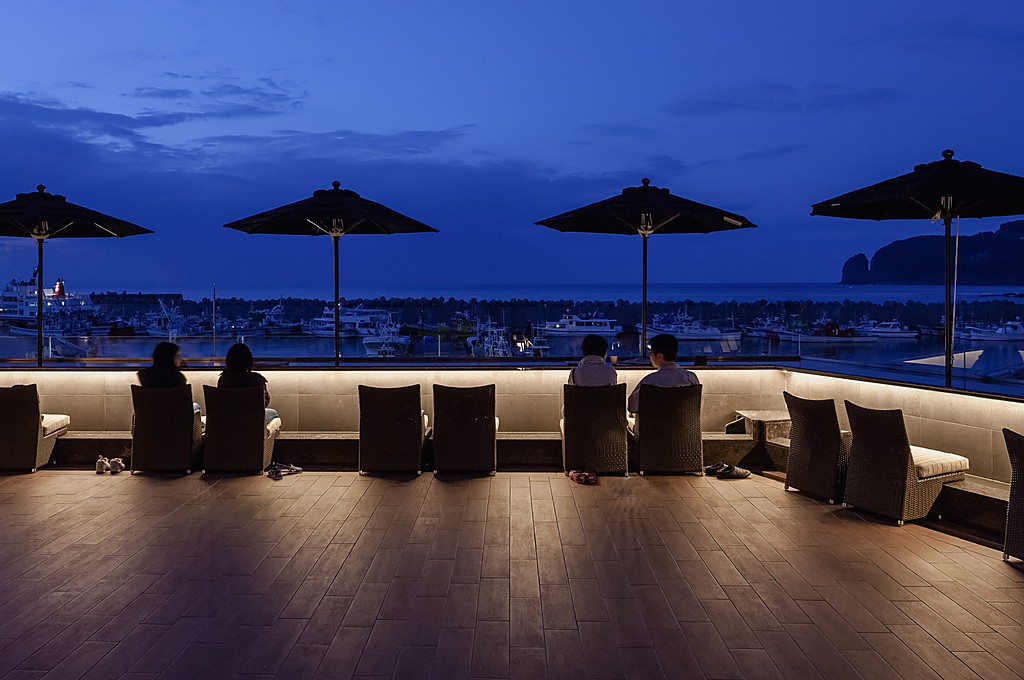
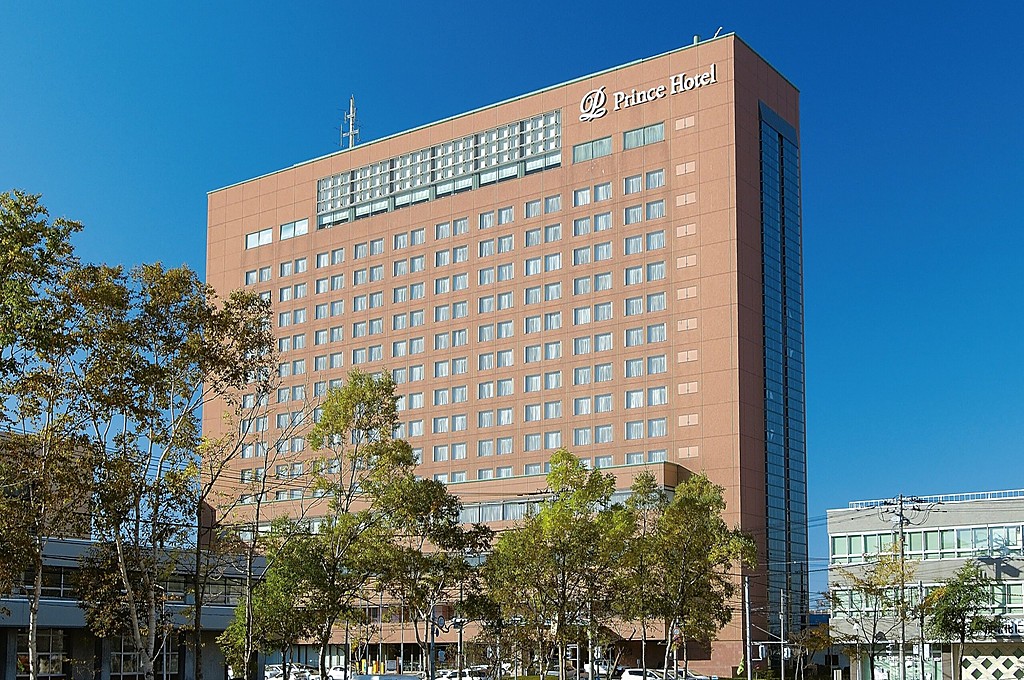
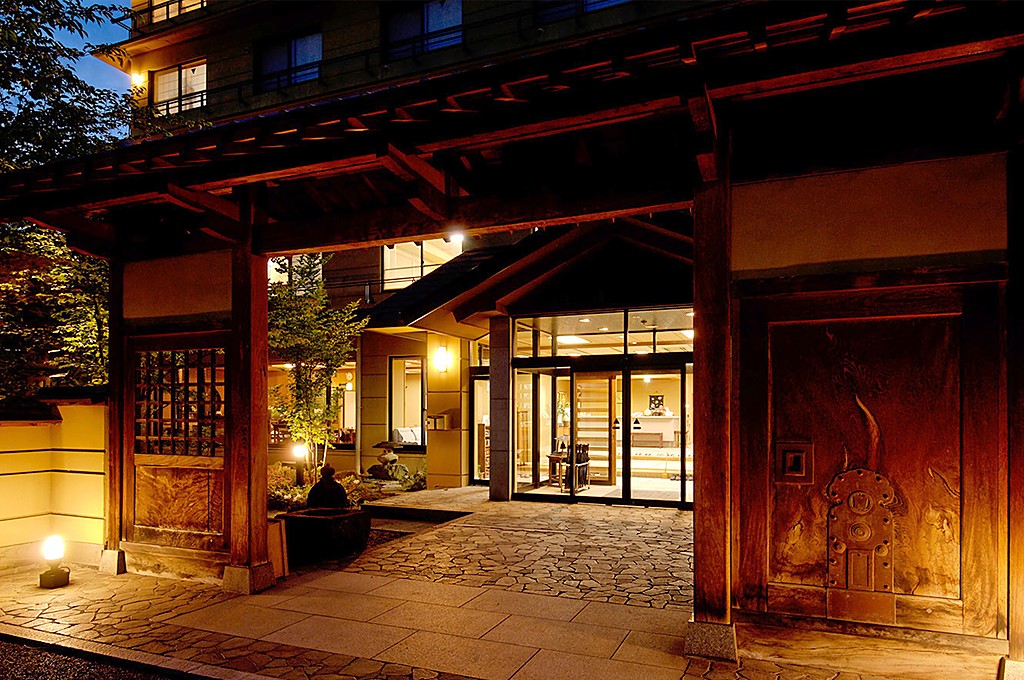
HOTEL
HOTEL
PRICE, FACTS & BOOKING
PRICE, FACTS & BOOKING
PRICE
Price per person: USD 7.400:-*
*The price is based on 2027 prices with a normal price increase. As soon as the 2028 prices are available, the price will be updated.
Price includes:
- Transport according to the attached program.
- Accommodation in a shared double room at the presented first-class hotels.
- Meals according to the program (B = Breakfast, L = Lunch, D = Dinner).
- Photo activities according to the program.
- Entrance fees.
- Boat trips according to the program.
- The participation of Roger Brendhagen throughout the trip.
- Talks and image editing under the guidance of Roger Brendhagen.
- An experienced English-speaking guide throughout the trip.
- Practical travel information before the trip.
- Hotel and other local taxes.
Price do not include:
- Flights to Tokyo and onward to Hokkaido.
- Single room supplement: USD 1.100
- Drinks.
- Tips, USD 15/day, for the local guide who participates on the trip.
- Costs of a personal nature, such as drinks with meals, etc.
- Cancellation protection/travel insurance. For more information, see our website under “Other.”
TRANSPORTATION
Flights to Tokyo are arranged on your own. You may arrive at any time on February 14, and your return journey may be booked at any time on February 21.
For your flights, you should book a single through-ticket as described below, so that the domestic flight between Tokyo and Hokkaido is included in the ticket, which makes the airfare cheaper.
Your departure city – Tokyo Haneda Airport – Hokkaido Kushiro Airport – Tokyo Haneda Airport – your home city. Once the minimum number of participants is reached, we will send out flight suggestions for the route above so that everyone books the same flights to Hokkaido.
We recommend arriving in Tokyo a day or so in advance because of the time difference and any possible flight delays. If you would like to stay on after the trip ends, that is also fine.
If you wish for help booking international flights and/or a hotel room in Tokyo before and after the trip, please indicate this when making your booking on the booking page, contact us by phone at +46 70 180 90 99, or email us at info@zoomphototours.com
FACTS
Target audience: Photographers interested in developing their skills in bird and wildlife photography.
Min/max participants: 8/12
Language: Norwegian/Swedish, English
Other: For more information about Zoom Photo Tours, terms of delivery, etc., see our website under “Other.”
CAMERA EQUIPMENT
- Your digital camera
- Telephoto lens, preferably up to 500 mm
- 70–200 mm
- Wide-angle, for example 24–70 mm
- Monopod or tripod
- A computer with Photoshop or Lightroom
- Extra batteries, chargers, etc.
BOOKING
You book your participation by clicking below. You are also welcome to call us by phone at +46 70 180 90 99 or email us at info@zoomphototours.com
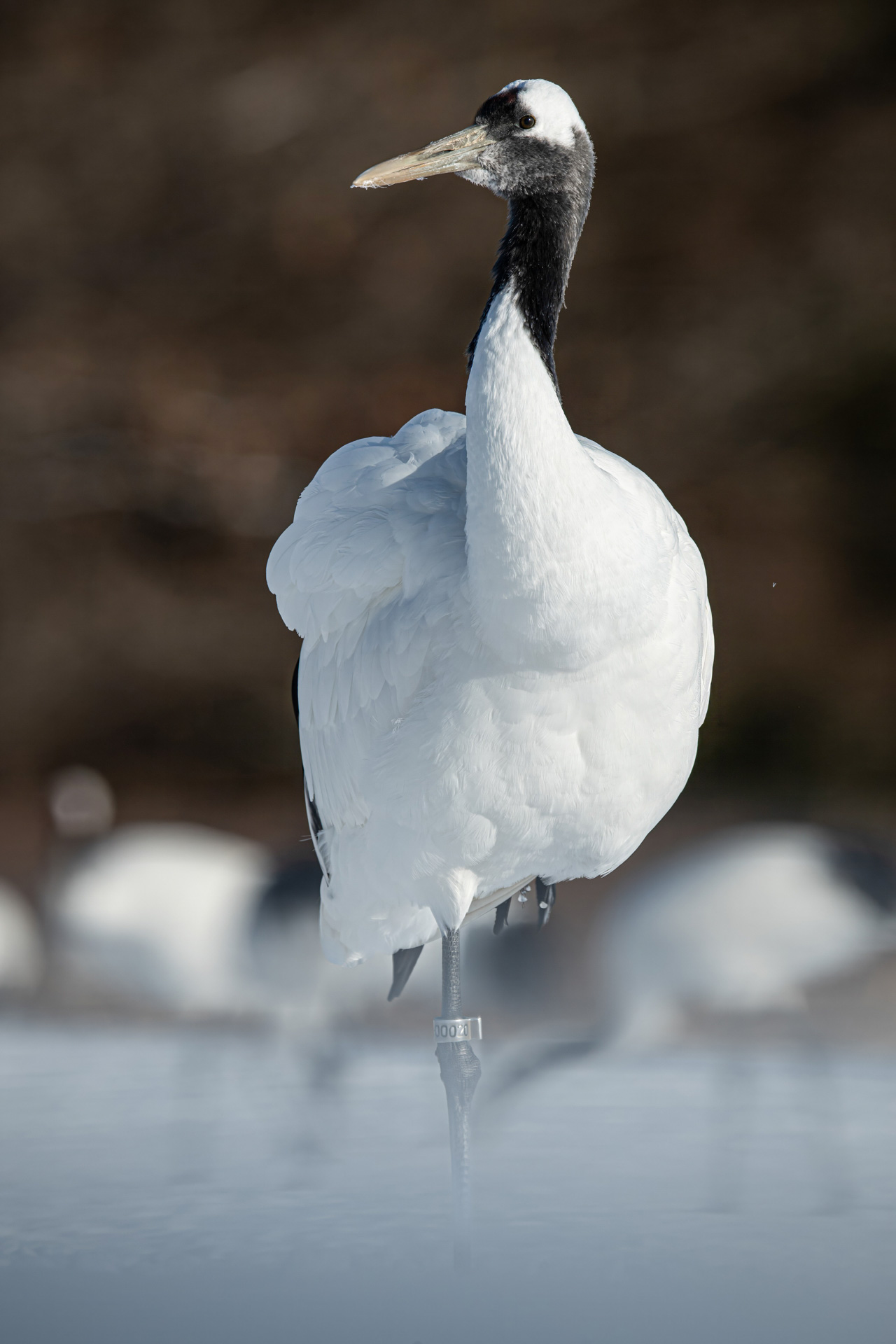
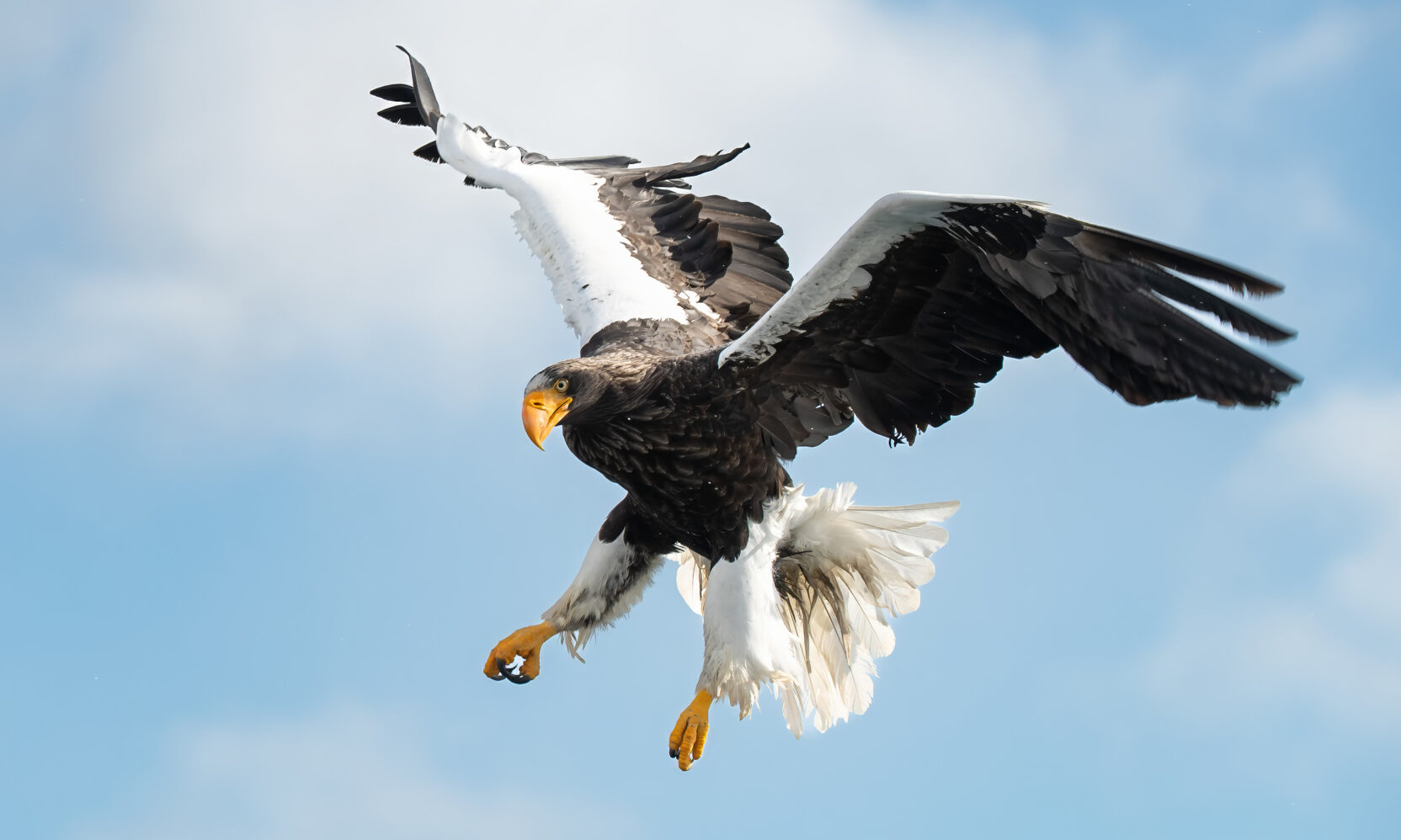
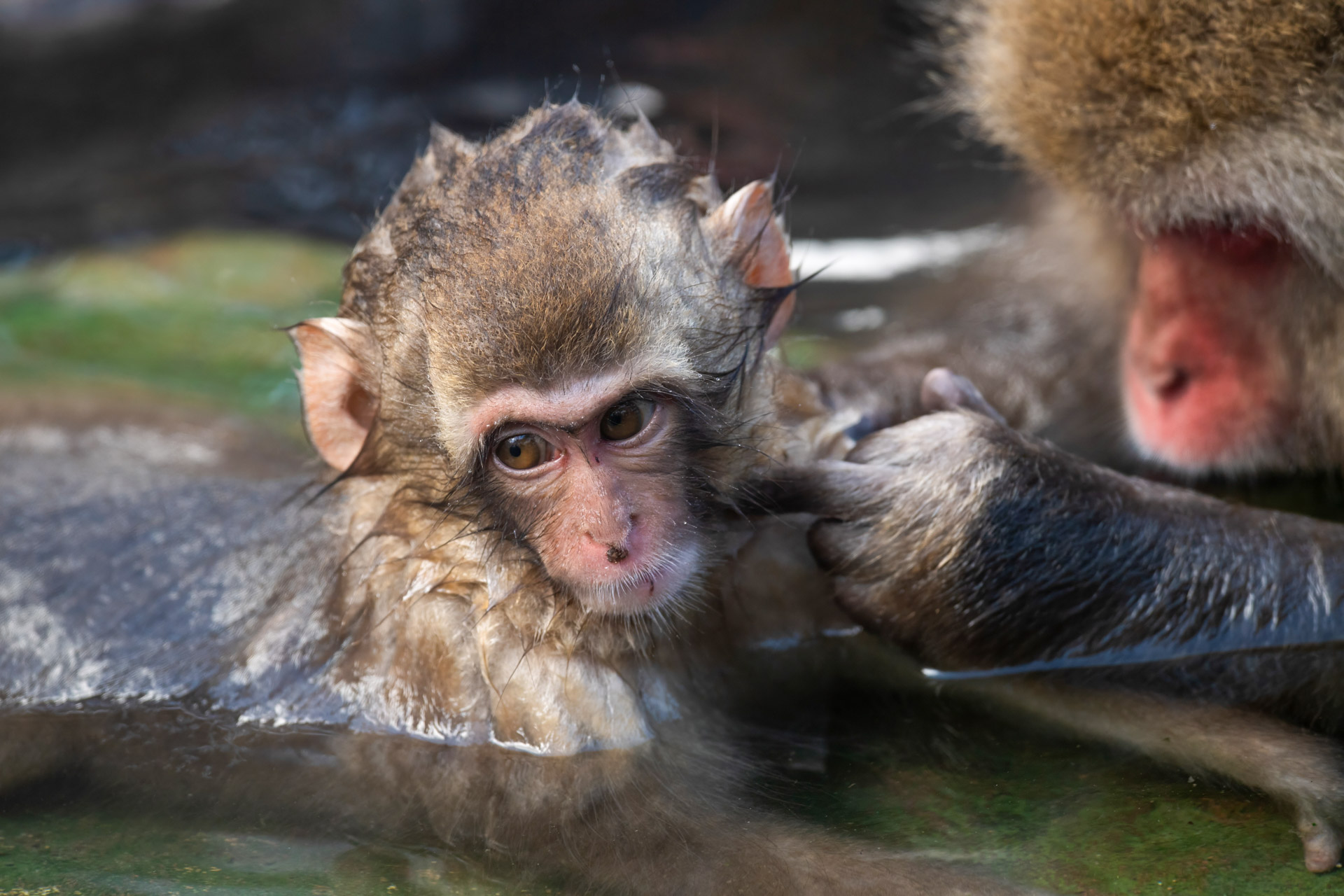
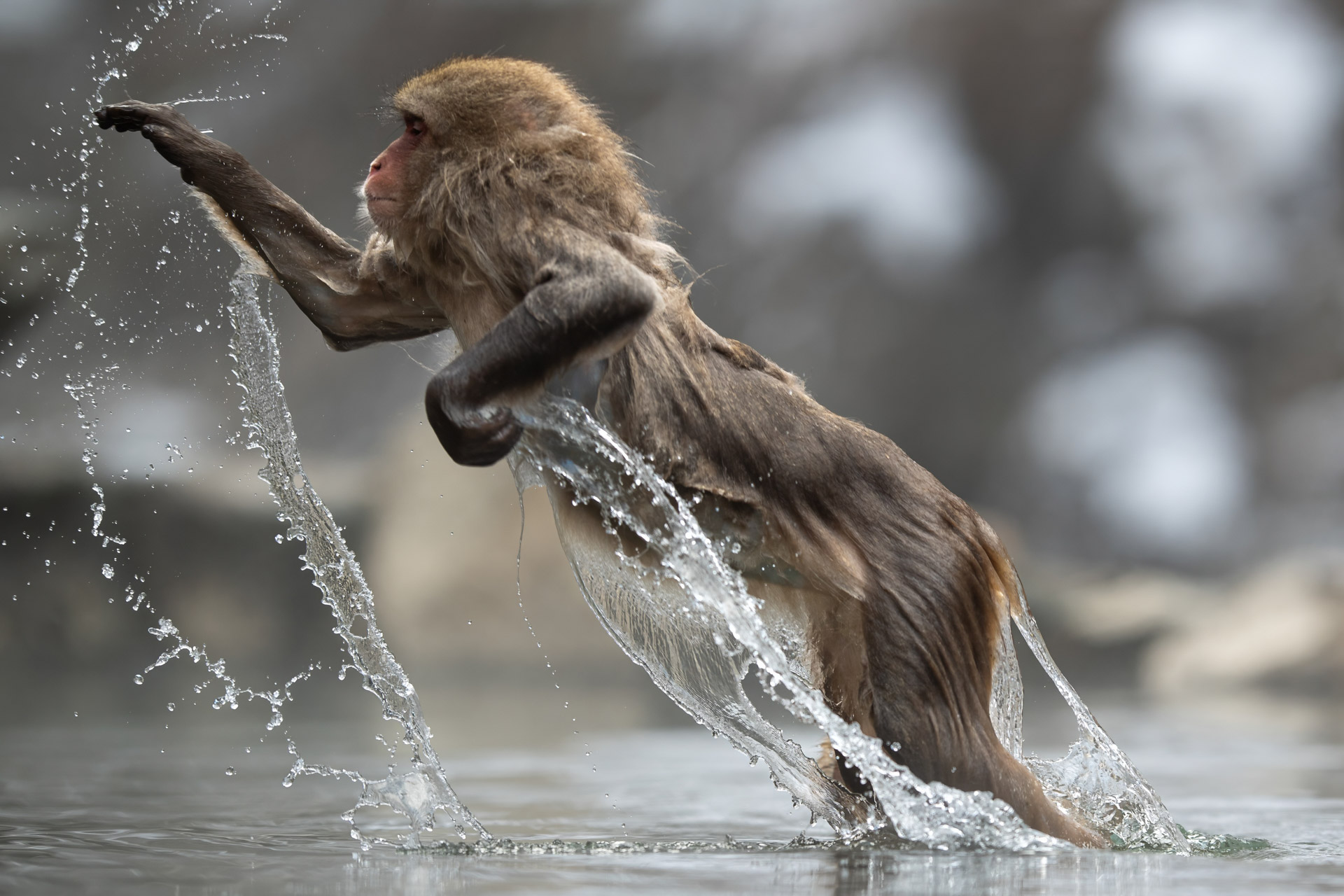
Foto: Roger Brendhagen