
COSTA RICA
WITH PHOTOGRAPHER MATTIAS KLUMCOUNTRY: Costa Rica PHOTO TYPE: Wildlife TRIP LENGTH: 11 days DATES: April 29 – May 9, 2028 MIN/MAX PARTICPANTS: 9/12

Costa Rica is a nature photographer’s paradise with beautiful national parks, an abundance of birds and animals, rainforests, volcanoes, and a biodiversity that surpasses most places. I have been there several times on various assignments and always returned home with fantastic experiences and loads of photos.
Mattias Klum
Join us in Costa Rica, a tropical paradise for photographers, under the guidance of Mattias Klum, a National Geographic photographer and one of the world’s most respected photographers specializing in nature, environment, and endangered species.
Mattias has extensive knowledge of Costa Rica’s rainforests and its wildlife, which includes a vast array of flora and fauna, from insects, spiders, frogs, and snakes to larger animals like coatis, deer, and tapirs.
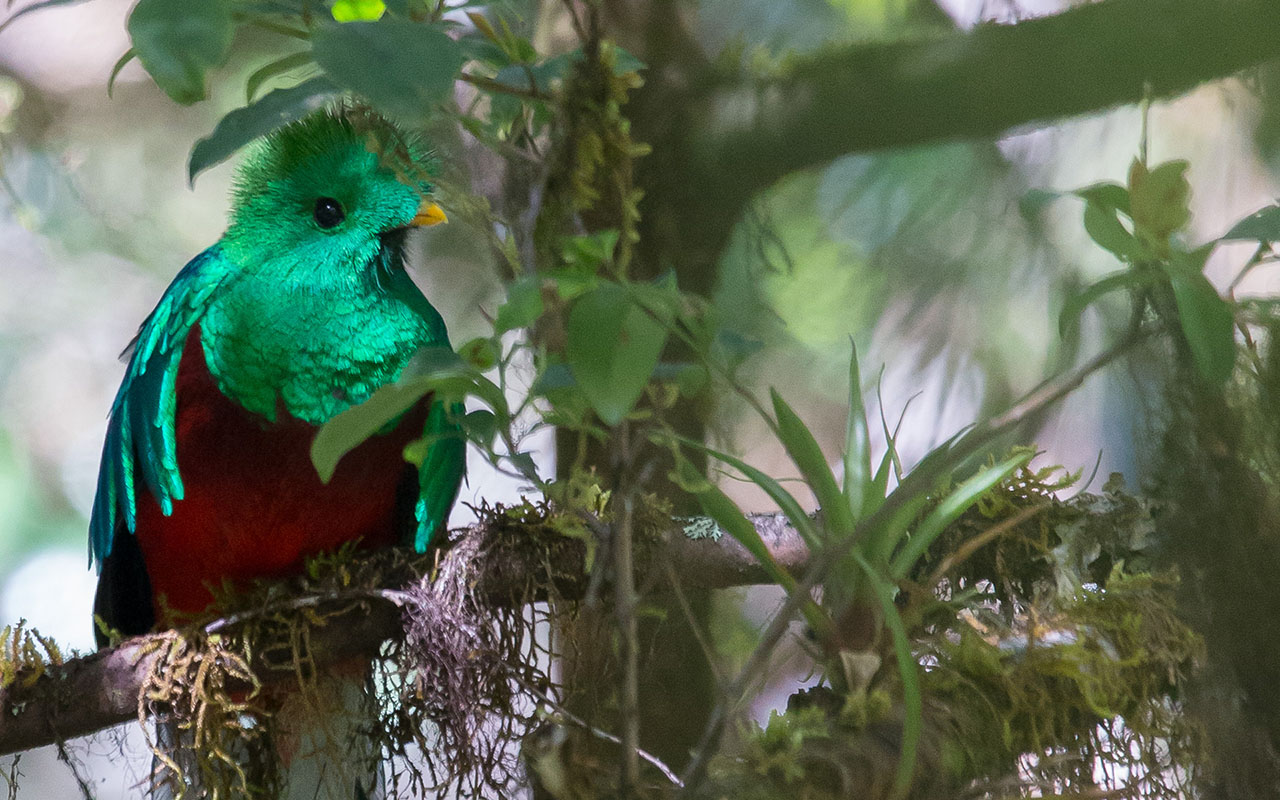
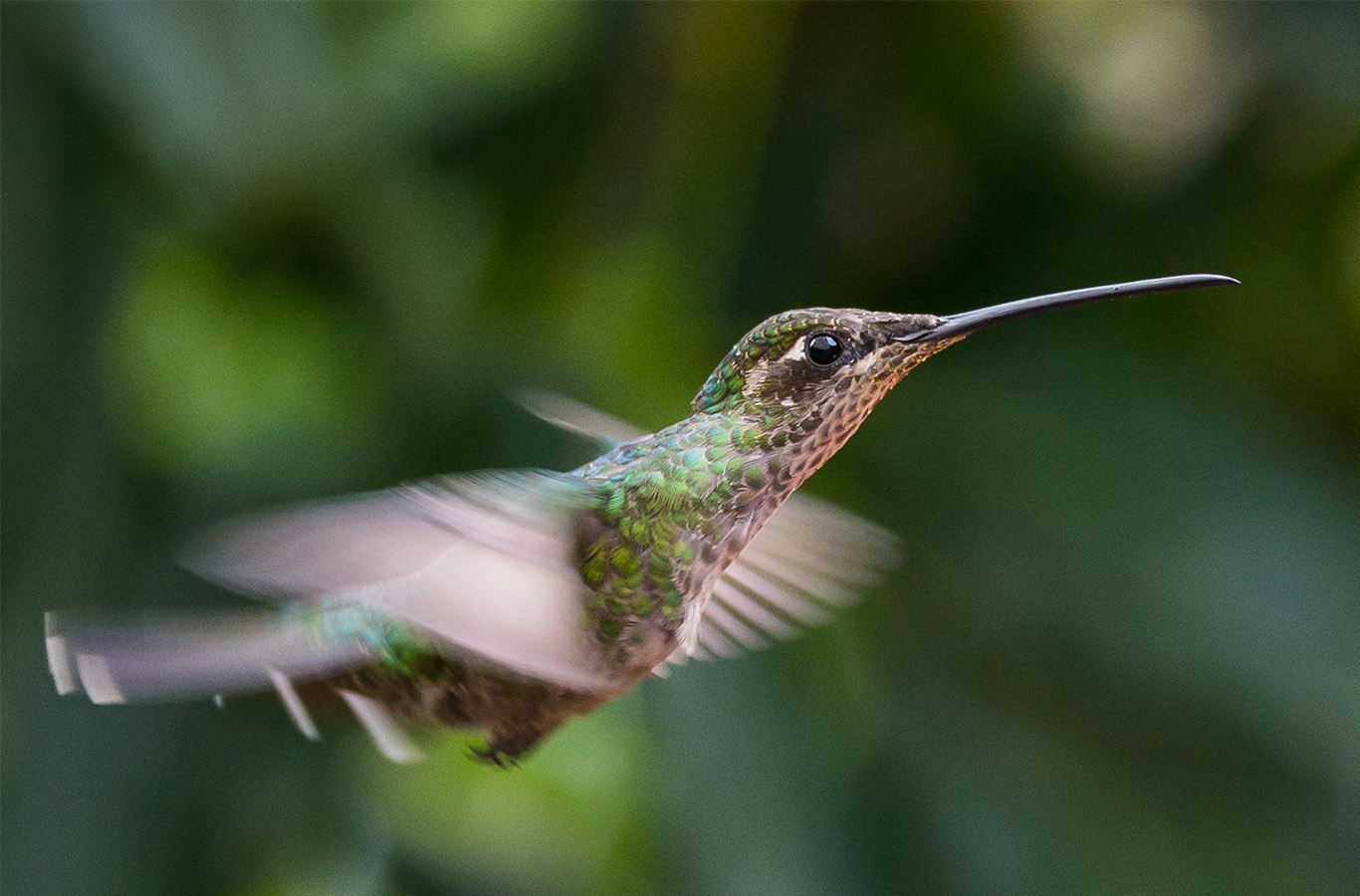
During the trip, we will visit several of Costa Rica’s national parks, such as Piedras Blancas National Park and Carara National Park. We will also attempt to capture one of Costa Rica’s most beautiful birds on camera, the stunning quetzal, with its green head, red chest, and long, shimmering turquoise tail feathers. Additionally, we will seek opportunities to photograph Costa Rica’s flying jewels: hummingbirds.
Throughout the journey, Mattias will be available to help you develop as a photographer. There will be opportunities for personal one-on-one sessions where you and Mattias can review and discuss your photos and photography techniques. This personalized attention is designed to help you best develop your interest and skills in photography.
HIGHLIGHTS
-
Visiting Piedras Blancas National Park, Carara National Park, and San Gerardo Forest Reserve.
-
Photo walks both during the day and at night in the rainforest with its fantastic bird and wildlife.
-
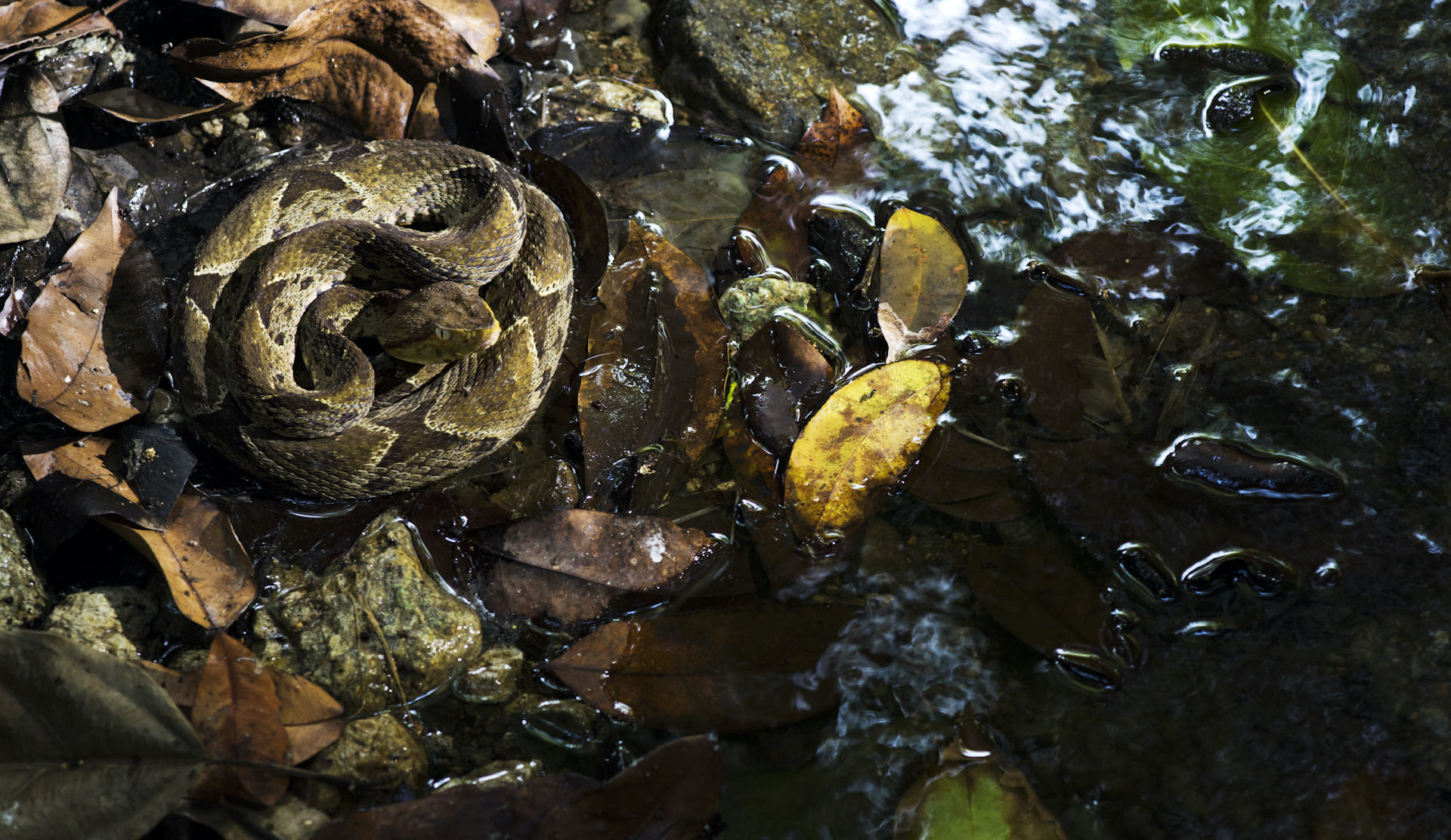
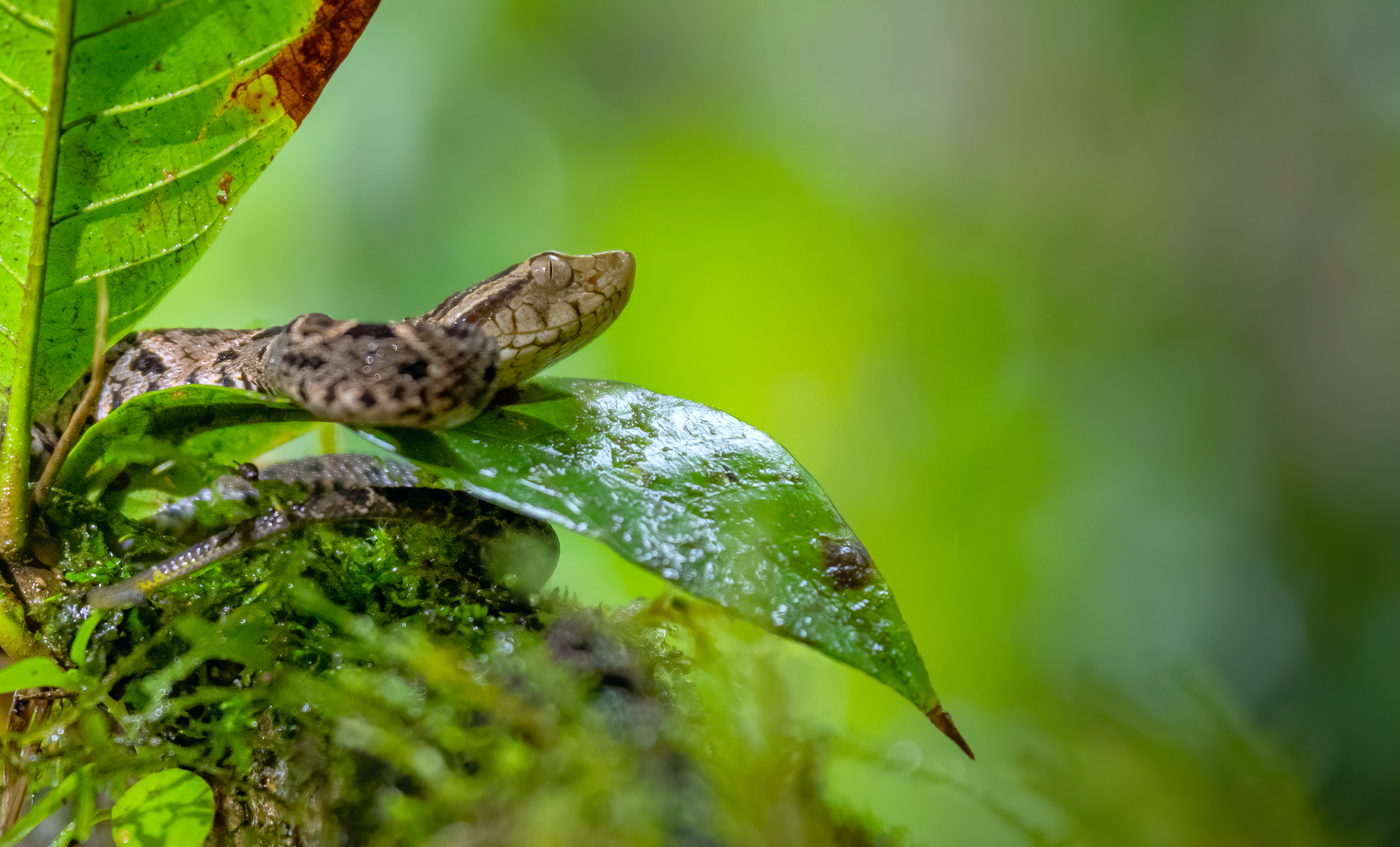
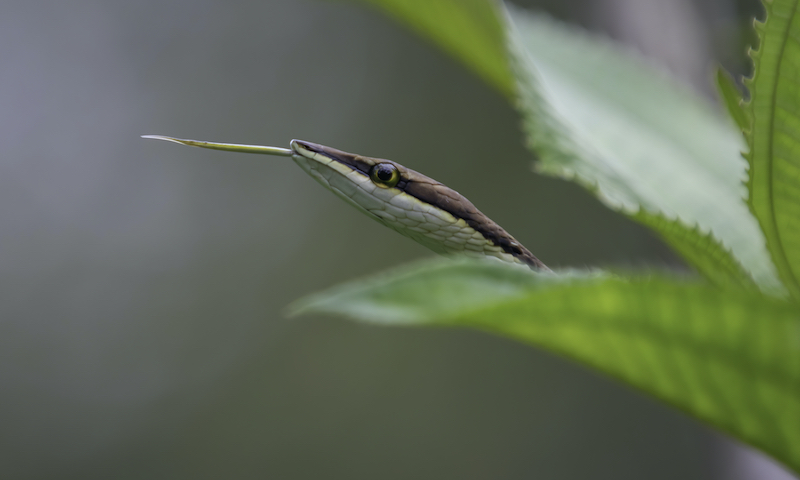
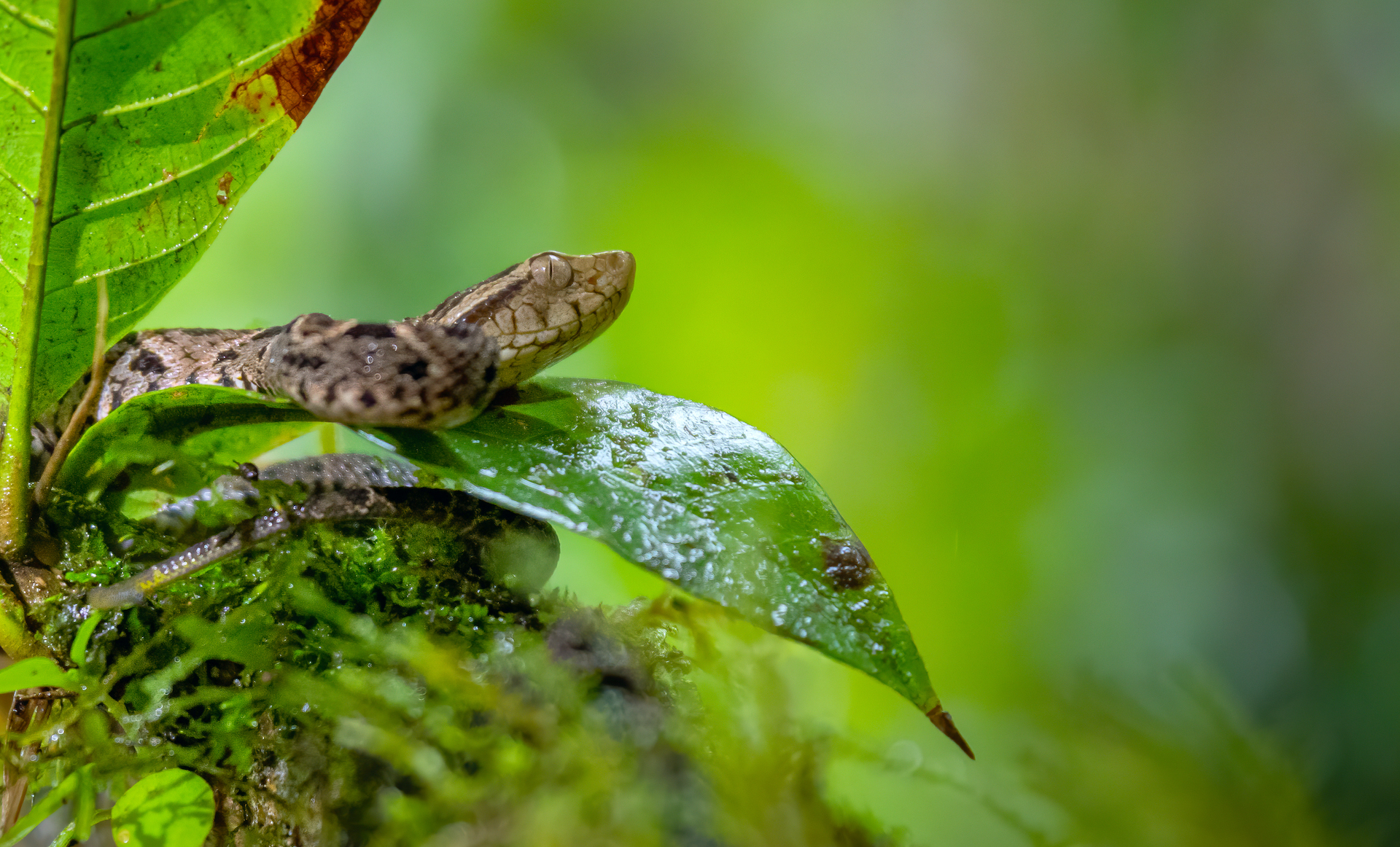
If we are lucky, close encounters with some of Costa Rica’s beautiful snake species.
-
Crocodile and bird safari by boat on the Tarcoles River.
-
Hummingbird photography in Batsu Gardens.
-
The beautiful quetzal in San Gerardo Forest Reserve.
-
Good accommodations directly adjacent to the national parks.
-
Participation, workshops, and lectures by Mattias Klum.
-
Image critique and personal portfolio review with Mattias Klum.
-
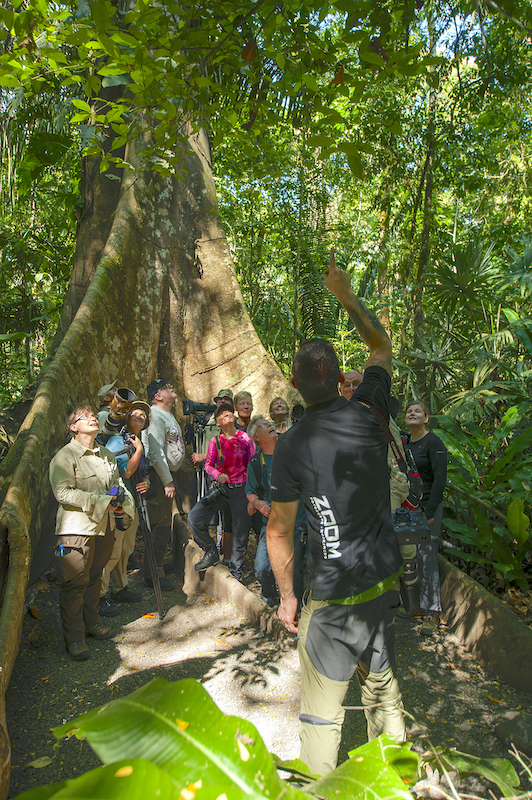
Participation of Daniel Iglesias, Zoom Photoresor’s host, with extensive knowledge of snakes and other reptiles.
COUNTRY: Costa Rica PHOTO TYPE: Wildlife TRIP LENGTH: 10 days DATES: April 29 – May 8, 2028 MIN/MAX PARTICIPANTS: 9/12
Costa Rica is a nature photographer’s paradise with beautiful national parks, an abundance of birds and animals, rainforests, volcanoes, and a biodiversity that surpasses most places. I have been there several times on various assignments and always returned home with fantastic experiences and loads of photos.
Mattias Klum
Join us in Costa Rica, a tropical paradise for photographers, under the guidance of Mattias Klum, a National Geographic photographer and one of the world’s most respected photographers specializing in nature, environment, and endangered species.
Mattias has extensive knowledge of Costa Rica’s rainforests and its wildlife, which includes a vast array of flora and fauna, from insects, spiders, frogs, and snakes to larger animals like coatis, deer, and tapirs.
During the trip, we will visit several of Costa Rica’s national parks, such as Piedras Blancas National Park and Carara National Park. We will also attempt to capture one of Costa Rica’s most beautiful birds on camera, the stunning quetzal, with its green head, red chest, and long, shimmering turquoise tail feathers. Additionally, we will seek opportunities to photograph Costa Rica’s flying jewels: hummingbirds.
Throughout the journey, Mattias will be available to help you develop as a photographer. There will be opportunities for personal one-on-one sessions where you and Mattias can review and discuss your photos and photography techniques. This personalized attention is designed to help you best develop your interest and skills in photography.
HIGHLIGHTS
-
Visiting Piedras Blancas National Park, Carara National Park, and San Gerardo Forest Reserve.
-
Photo hikes both during the day and at night in the rainforest with its fantastic bird and wildlife.
-
If we are lucky, close encounters with some of Costa Rica’s beautiful snake species.
-
Crocodile and bird safari by boat on the Tarcoles River.
-
Hummingbird photography in Batsu Gardens.
-
The beautiful quetzal in San Gerardo Forest Reserve.
-
Good accommodations directly adjacent to the national parks.
-
Participation, workshops, and lectures by Mattias Klum.
-
Image critique and personal portfolio review with Mattias Klum.
-
Participation of Daniel Iglesias, Zoom Photoresor’s host, with extensive knowledge of snakes and other reptiles.
COSTA RICA
COSTA RICA
COSTA RICA
Costa Rica is located in Central America and borders Nicaragua, Panama, the Pacific Ocean, and the Caribbean Sea, and is almost as large in area as Svealand. About a third of the country’s 4.2 million inhabitants live in the capital, San José.
The climate in Costa Rica is subtropical and tropical in the lowlands, but somewhat cooler in the central highlands. The country has two seasons: a rainy season and a dry season. The rainy season lasts from May to November, which often causes flooding in the lowlands. The dry season usually lasts from December to April. The temperature in Costa Rica’s lowlands is around 20-30 degrees Celsius, with minor variations depending on the season. Costa Rica is home to a great diversity of plants and animals.
Although the country occupies only 0.1% of the world’s total land mass, its biodiversity amounts to as much as 5% of the world’s animals and plants, corresponding to between 500,000 and one million different species. These include 50,000 different species of insects, 208 mammal species, 850 bird species, and just over 200 reptile species, of which about half are snakes. As much as 27% of Costa Rica’s surface area is set aside for national parks, nature reserves, and protected areas.
PIEDRAS BLANCAS NATIONAL PARK
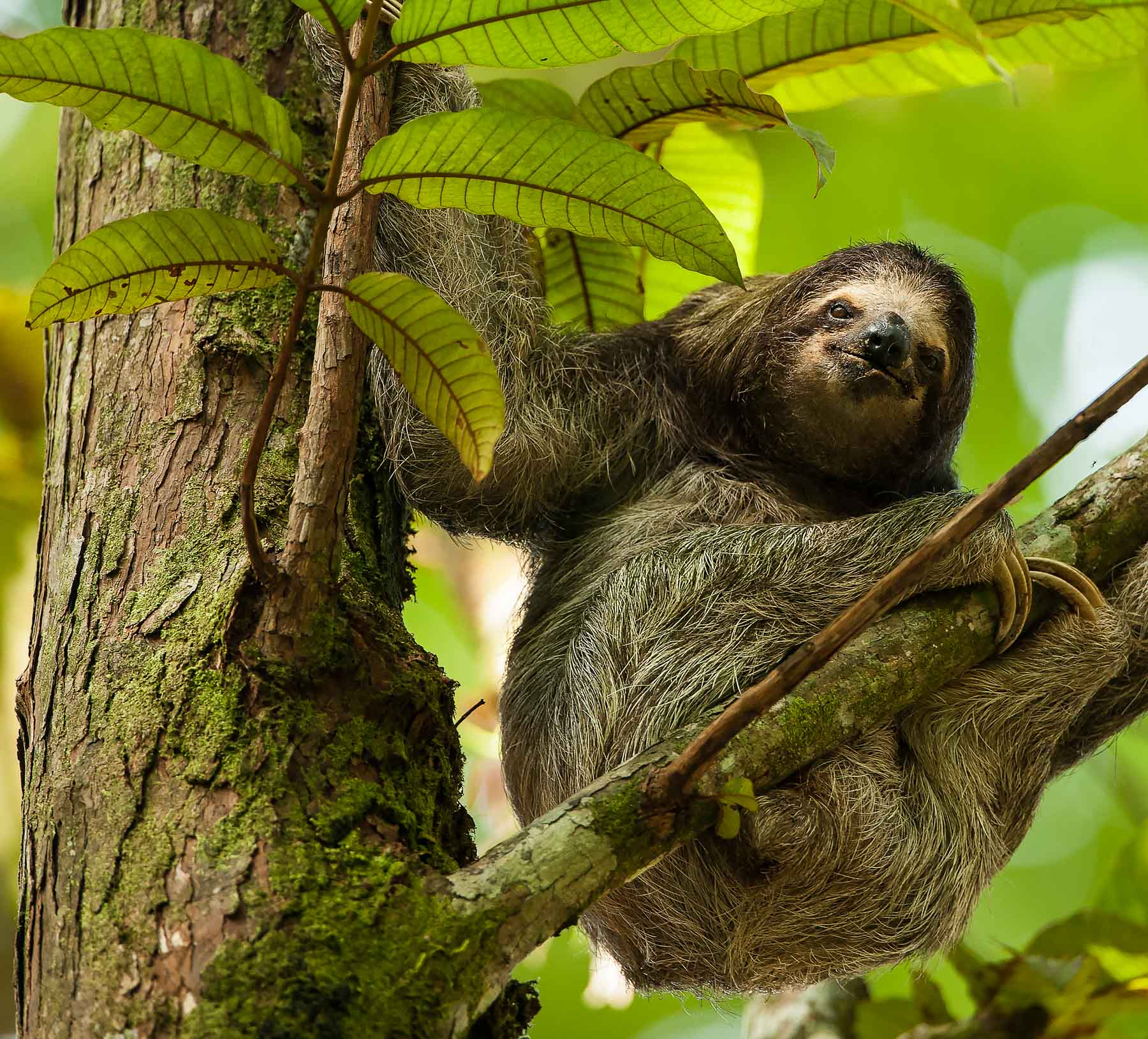
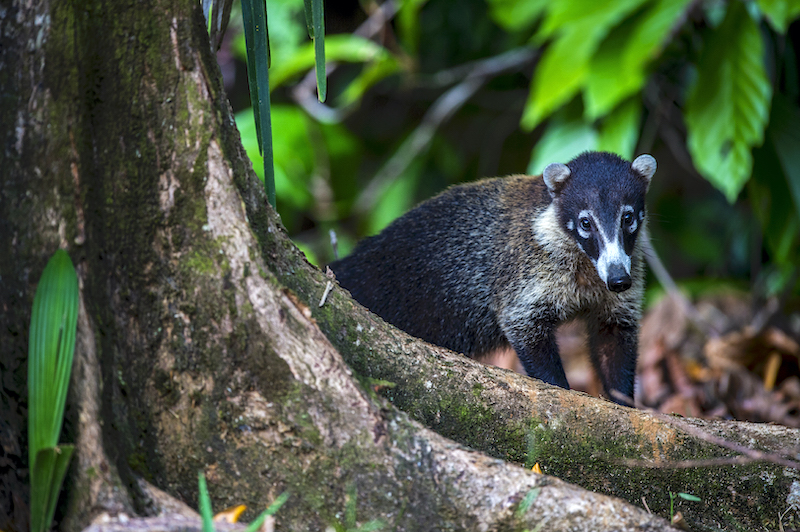
Piedras Blancas, with a land area of 15,147 hectares and 1,200 hectares of marine area, protects part of the lowland tropical rainforest. Although all five of Costa Rica’s cat species—ocelot, margay, jaguarundi, puma, and jaguar—live here, they are very difficult to spot. The park offers much more, such as kinkajous, two-toed sloths, coatis, anteaters, as well as capuchin and spider monkeys with their white faces, and many different bats.
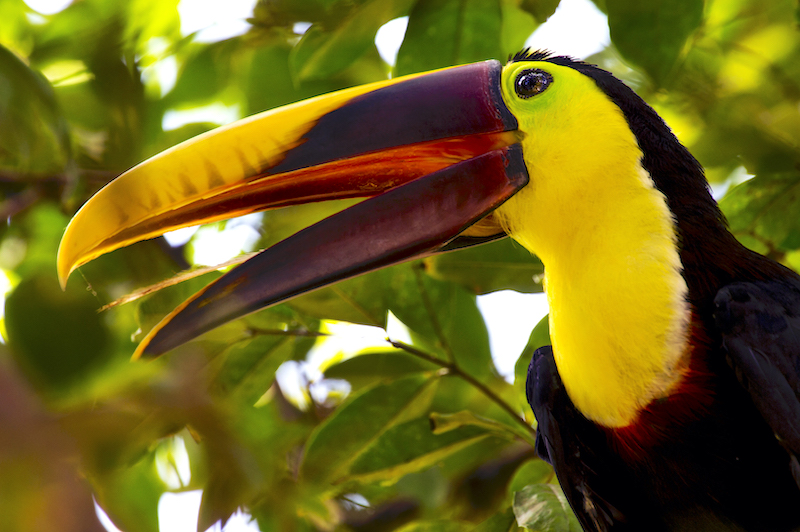
The park also attracts a lot of birdlife and is considered one of the country’s best bird-watching spots, with toucans, scarlet macaws, crested caracaras, kingfishers, boat-billed herons, flycatchers, and yellow-cheeked Amazons.
Snakes are abundant, from the deadly fer-de-lance to coral snakes and large boas. There are also numerous types of frogs, such as tree frogs, poison dart frogs, rain frogs, glass frogs, and many others. The waterways are also rich with caimans.
SAN GERARDO FOREST RESERVE
San Gerardo Forest Reserve is located in the Talamanca mountain range. At an elevation of 2,200 meters, San Gerardo offers fresh and clean air, lush green rainforest, and incredible biodiversity. Nestled in the Savegre River valley,
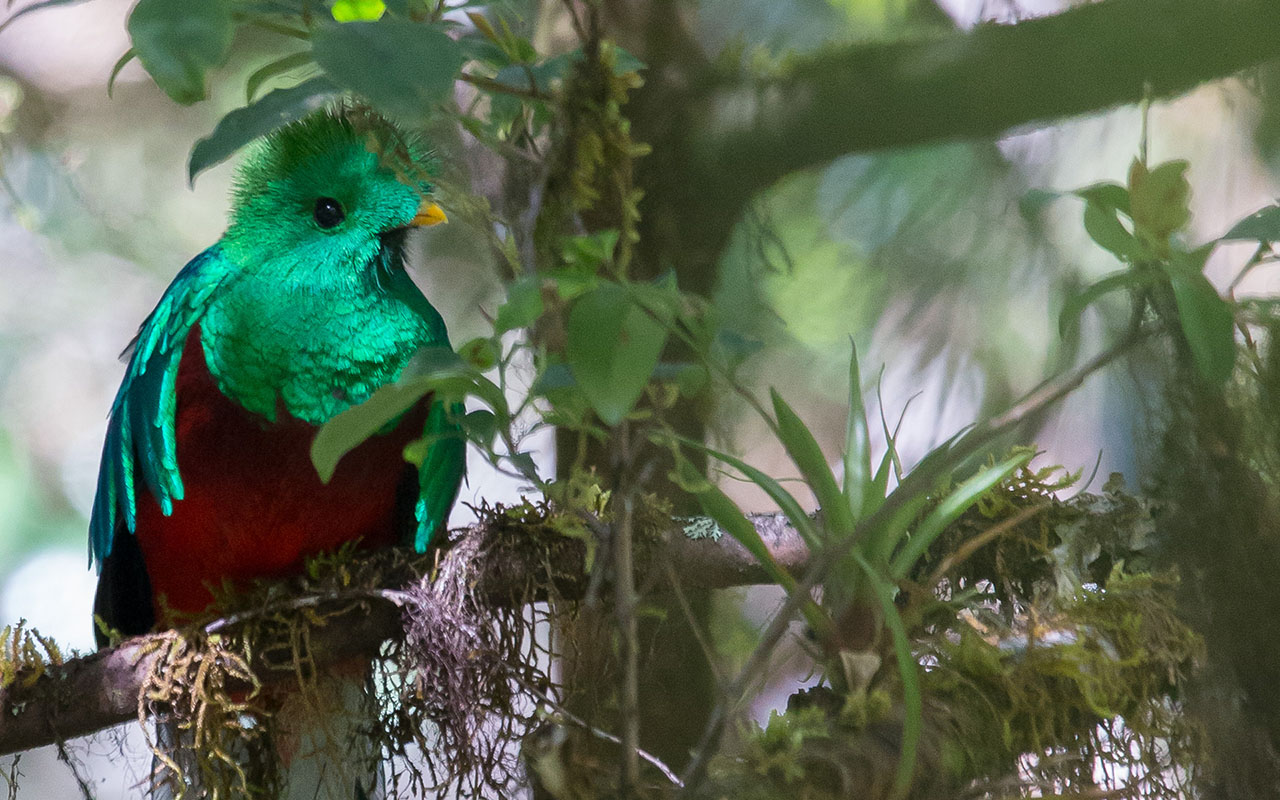
San Gerardo has managed to remain relatively secret. San Gerardo is renowned for its birds, with the highest likelihood of spotting the beautiful quetzal in all of Costa Rica. However, the park also hosts many other species, such as emerald toucanets, golden-browed chlorophonias, and tanagers. The area, with its great biodiversity, is also home to sloths and monkeys.
CARARA NATIONAL PARK & TARCOLES RIVER
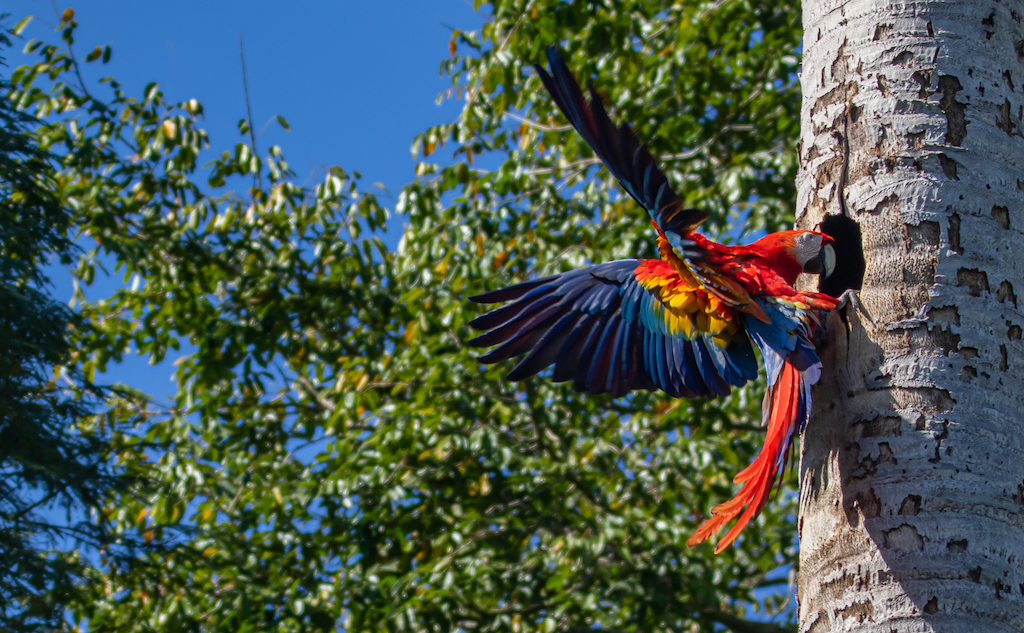
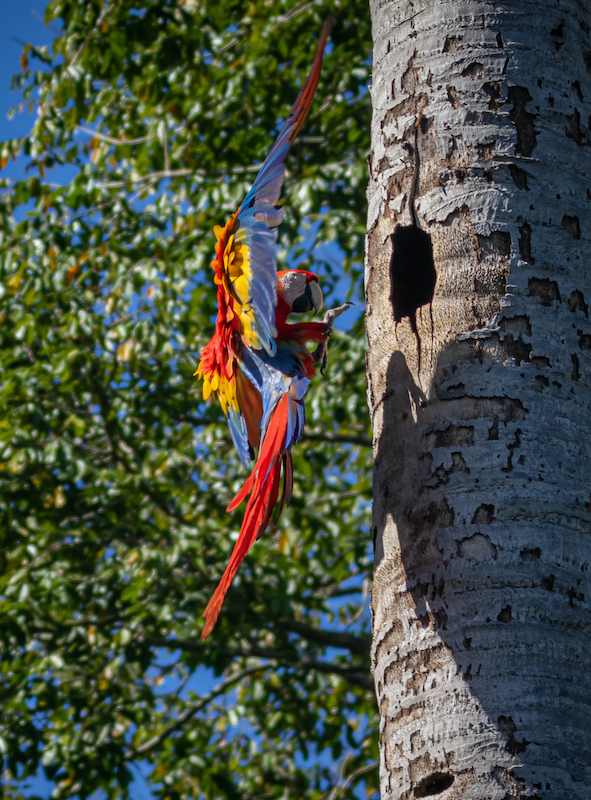
Carara National Park protects a unique transitional forest where the dry forests of the north meet the humid rainforests of the southern Pacific coast. The mix of habitats makes Carara one of Costa Rica’s very best birding areas, and close to half of the country’s bird species have been recorded here, among them trogons, motmots, antbirds, toucans, and the spectacular scarlet macaw, which breeds in the area.
The nearby Tarcoles River is home to one of the world’s largest populations of wild American crocodiles, with animals of more than four meters, and the river mouth with its mangroves is teeming with herons, kingfishers, and other water birds.
Read more about Costa Rica and the places we will visit.
COSTA RICA
Costa Rica is located in Central America and borders Nicaragua, Panama, the Pacific Ocean, and the Caribbean Sea, and is almost as large in area as Svealand. About a third of the country’s 4.2 million inhabitants live in the capital, San José.
The climate in Costa Rica is subtropical and tropical in the lowlands, but somewhat cooler in the central highlands. The country has two seasons: a rainy season and a dry season. The rainy season lasts from May to November, which often causes flooding in the lowlands. The dry season usually lasts from December to April. The temperature in Costa Rica’s lowlands is around 20-30 degrees Celsius, with minor variations depending on the season. Costa Rica is home to a great diversity of plants and animals.
Although the country occupies only 0.1% of the world’s total land mass, its biodiversity amounts to as much as 5% of the world’s animals and plants, corresponding to between 500,000 and one million different species. These include 50,000 different species of insects, 208 mammal species, 850 bird species, and just over 200 reptile species, of which about half are snakes. As much as 27% of Costa Rica’s surface area is set aside for national parks, nature reserves, and protected areas.
CARARA NATIONAL PARK & TARCOLES RIVER
Carara National Park protects a unique transitional forest where the dry forests of the north meet the humid rainforests of the southern Pacific coast. The mix of habitats makes Carara one of Costa Rica’s very best birding areas, and close to half of the country’s bird species have been recorded here, among them trogons, motmots, antbirds, toucans, and the spectacular scarlet macaw, which breeds in the area. The nearby Tarcoles River is home to one of the world’s largest populations of wild American crocodiles, with animals of more than four meters, and the river mouth with its mangroves is teeming with herons, kingfishers, and other water birds.
PIEDRAS BLANCAS NATIONAL PARK
Piedras Blancas, with a land area of 15,147 hectares and 1,200 hectares of marine area, protects part of the lowland tropical rainforest. Although all five of Costa Rica’s cat species—ocelot, margay, jaguarundi, puma, and jaguar—live here, they are very difficult to spot. The park offers much more, such as kinkajous, two-toed sloths, coatis, anteaters, as well as capuchin and spider monkeys with their white faces, and many different bats. The park also attracts a lot of birdlife and is considered one of the country’s best bird-watching spots, with toucans, scarlet macaws, crested caracaras, kingfishers, boat-billed herons, flycatchers, and yellow-cheeked Amazons. Snakes are abundant, from the deadly fer-de-lance to coral snakes and large boas. There are also numerous types of frogs, such as tree frogs, poison dart frogs, rain frogs, glass frogs, and many others. The waterways are also rich with caimans.
SAN GERARDO FOREST RESERVE
San Gerardo Forest Reserve is located in the Talamanca mountain range. At an elevation of 2,200 meters, San Gerardo offers fresh and clean air, lush green rainforest, and incredible biodiversity. Nestled in the Savegre River valley, San Gerardo has managed to remain relatively secret. San Gerardo is renowned for its birds, with the highest likelihood of spotting the beautiful quetzal in all of Costa Rica. However, the park also hosts many other species, such as emerald toucanets, golden-browed chlorophonias, and tanagers. The area, with its great biodiversity, is also home to sloths and monkeys
ITINERARY
ITINERARY
APRIL 29 – MAY 9, 2028
Mattias who has been to Costa Rica many times, will to hold lectures on topics such as species conservation and human impact on nature. On several evenings, we will also review and evaluate each other’s photos. We will also work on photo editing and discuss everything from camera techniques, equipment details, composition, and lighting to timing in photography sessions and how to build a story in both words and images.
There will also be time for personal conversations where you and Mattias go through your own photos. The exact days for all these activities will depend on the weather and other local conditions.
DAY 1, (APRIL 29) – WELCOME TO COSTA RICA
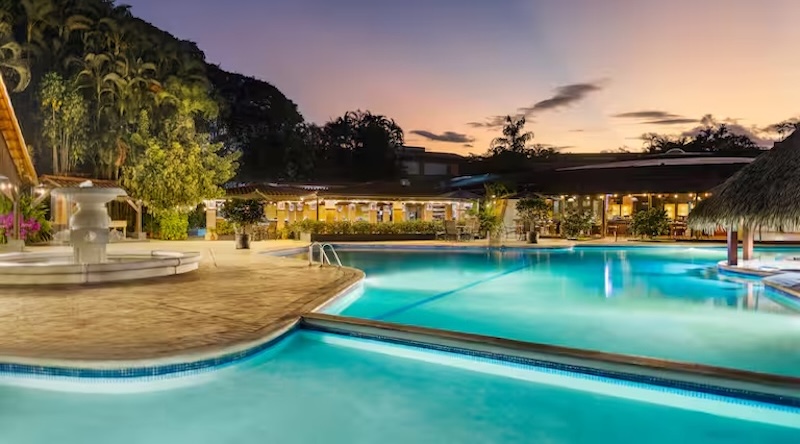
Check-in during the afternoon / evening at the first-class Doubletree Cariari Hotel located near the airport. Here, you will be welcomed by Mattias and Zoom Photoresor’s tour guide Daniel Iglesias.
Since most flights from Europe arrive late in the afternoon or evening, and considering the time difference, this evening will be a casual gathering in the hotel bar for those who wish to join.
DAY 2, (APRIL 30) – SAN JOSE – SAN GERARDO DE DOTA
After breakfast, we will begin our journey east along the Pan-American Highway, climbing through the Talamanca mountains and over the Cerro de la Muerte pass at almost 3,400 meters. On the way, we will stop at the Mirador de Quetzales (the Quetzal Lookout) for lunch and a first walk on the trails of the highland cloud forest, home of the resplendent quetzal and many other endemic bird species.
Here, we will also photograph flying hummingbirds. On a platform, you can set up your tripod and work with different shutter speeds, from short shutter speeds where you freeze the wings to long times where you get motion blur on the wings.
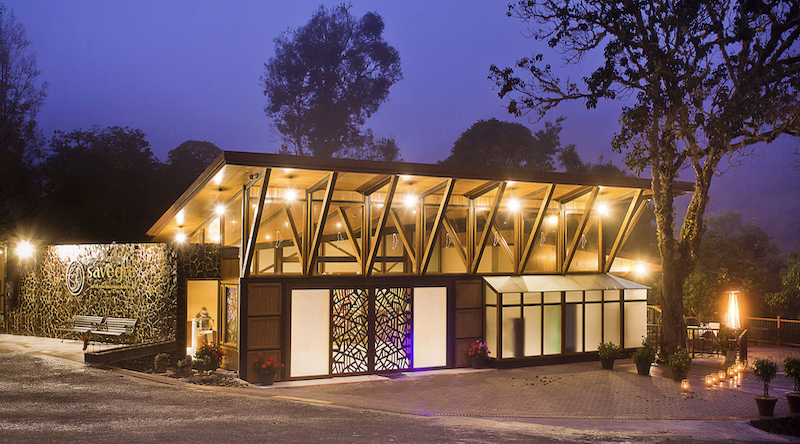
In the afternoon, we continue down into the lush cloud forest, following the Savegre River to San Gerardo de Dota, where we check in at Savegre Hotel, our base for the next two nights. Dinner in the evening. (B, L, D)
DAY 3, (MAY 1) – SAN GERARDO FOREST RESERVE
Early in the morning, we go on a hike in San Gerardo Forest Reserve which offers more than 170 different bird species. With the help of skilled nature guides, we walk through the dense vegetation in search of the beautiful quetzal, which with its green head, red breast, and long, shimmering turquoise tail is one of Costa Rica’s most beautiful birds. We listen for their deep, melodic calls as we silently track these elusive birds. But here, there is also a wide range of other bird species, such as emerald toucanets, golden-browed chlorophonias, and tanagers among many others.
Later in the day, we visit Batsu Gardens, a garden created especially for bird photography, where feeders and carefully arranged perches attract hummingbirds, tanagers, and many other colorful mountain birds. Just like the other photo sessions out in the field, Mattias will be there to provide tips and personal guidance. He will also share his extensive knowledge of the surrounding nature and the rich wildlife. (B, L, D)
DAY 4, (MAY 2) – SAN GERARDO – NICUESA RAINFOREST LODGE
After breakfast, we leave the mountains and travel south towards the Pacific coast and the small town of Golfito, where we stop for lunch.
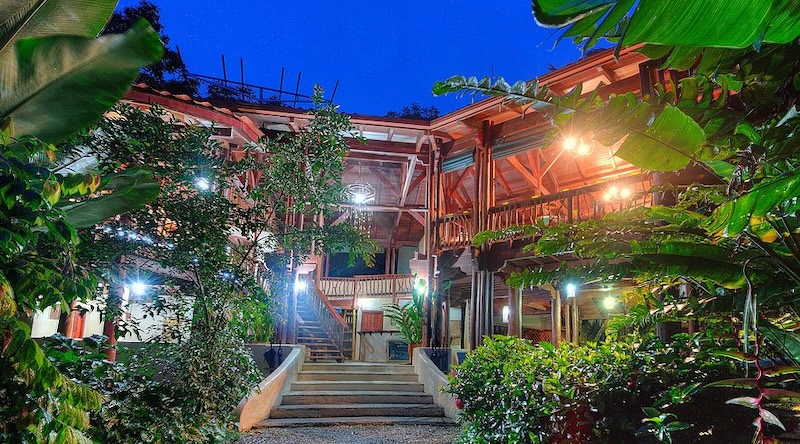
After lunch, we take a boat to our hotel Playa Nicuesa Rainforest Lodge. This is a luxurious eco-lodge in Piedras Blancas National Park on the southern Pacific coast of Costa Rica. The lodge is surrounded by tropical rainforest and pristine beaches and is only accessible by boat. In the late afternoon, we check in at the lodge which will be our base for the next few days.
We end the day with a good dinner while enjoying the sounds of the rainforest. (B, L, D)
DAYS 5-8, (MAY 3-6) – PLAYA NICUESA RAINFOREST
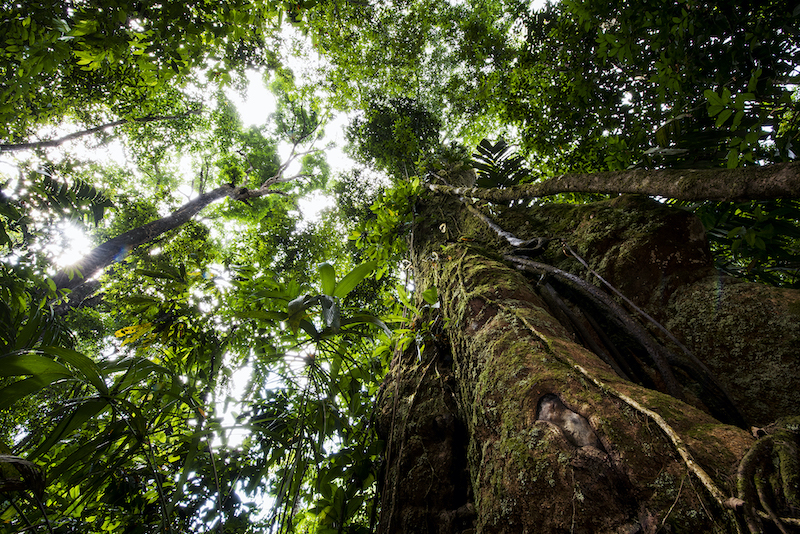
During these days, we will explore the rainforest in Piedras Blancas National Park and photograph all its animals, birds, insects, and reptiles both during the day and during night walks.
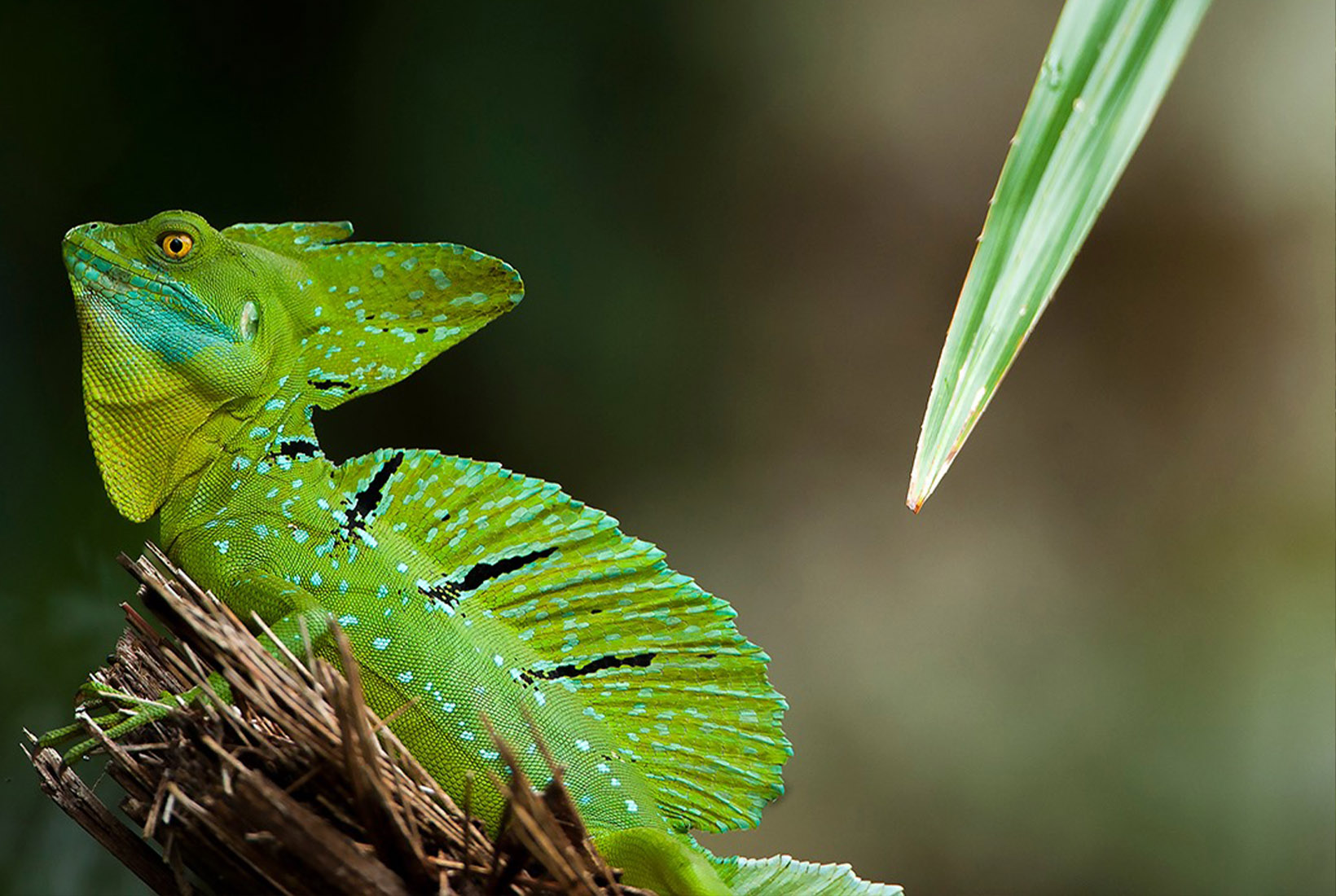
The lodge is located more or less in the dense rainforest and is a paradise for photographers. Here, you have the opportunity to capture everything from colorful parrots such as scarlet macaws and yellow-cheeked Amazons to toucans and blue-naped parrots. But here, there are also reptiles like the highly poisonous snakes, boa constrictors, helmeted basilisk lizards, glass frogs, poison dart frogs, and mammals like howler monkeys, spider monkeys, coatis, sloths, and agoutis. In the park, there are also thousands of beautiful insects and colorful butterflies.
In the evenings, we go on night walks, work on photo editing, and listen to Mattias’ fantastic stories from the many assignments he has done in Costa Rica. (B, L, D)
DAY 9, (MAY 7) – NICUESA – TARCOLES
After a last morning at the lodge, we take the boat back to Golfito and continue by bus north along the Pacific coast towards Tarcoles. On the way, we visit Rainmaker Conservation Park, a private rainforest reserve known for its hanging bridges, waterfalls, and rich wildlife, perfect for both landscape and macro photography.
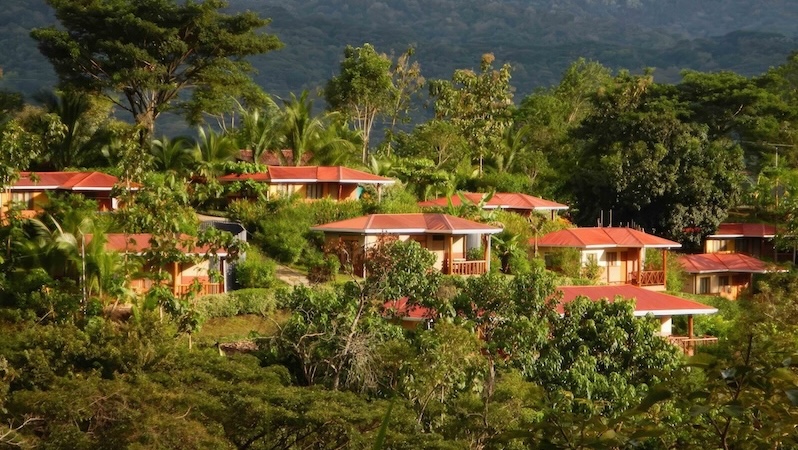
In the late afternoon, we arrive at Hotel Cerro Lodge, close to Carara National Park. (B, L, D)
DAY 10, (MAY 8) – CARARA NATIONAL PARK
We start early to be at the gates of Carara National Park when they open, the best time of day for wildlife. Carara protects a unique transitional forest where tropical dry forest meets humid rainforest, and the park is home to nearly half of Costa Rica’s bird species, among them trogons, motmots, toucans, and the spectacular scarlet macaw.
After the morning visit, we continue to the Tarcoles River for lunch, followed by a two-hour crocodile and bird safari by boat on the river and through the mangroves. The Tarcoles River is home to one of the world’s largest populations of wild American crocodiles, and the birdlife along the river and in the estuary is outstanding.
After the boat tour, we drive back to San José were we will check in at Cariari Double Tree Hotel near the airport. Time for some relaxation before we will have a nice farewell dinner where Mattias summarizes the days together in Costa Rica (B, L, D)
DAY 11, (MAY 9) – DEPARTURE HOME
Breakfast followed by the hotels shuttle transfer to the international airport in time for your flights home. (B)
FOLLOW UP MEETING
After returning home, Mattias will host a follow-up meeting where we’ll review each other’s photos. Even before that, you’ll submit your best photos from the trip. Mattias will then select the “Travel Photo,” which automatically advances to the final round of the “Picture of the Year 2028” competition, competing for fantastic prizes.

11 days filled with photography amidst the rich wildlife and birdlife of the rainforest. Read more here.
29 APRIL – 8 MAY, 2028
Mattias who has been to Costa Rica many times, to hold lectures on topics such as species conservation and human impact on nature. On several evenings, we will also review and evaluate each other’s photos. We will also work on photo editing and discuss everything from camera techniques, equipment details, composition, and lighting to timing in photography sessions and how to build a story in both words and images. There will also be time for personal conversations where you and Mattias go through your own photos. The exact days for all these activities will depend on the weather and other local conditions.
DAY 1, (April 29)
WELCOME TO COSTA RICA
Check-in during the afternoon and evening at the first-class Doubletree Cariari Hotel located near the airport. Here, you will be welcomed by Mattias and Zoom Photoresor’s tour guide Daniel Iglesias. Since most flights from Europe arrive late in the afternoon or evening, and considering the time difference, this evening will be a casual gathering in the hotel bar for those who wish to join.
DAY 2, (April 30)
SAN JOSE – SAN GERARDO DE DOTA
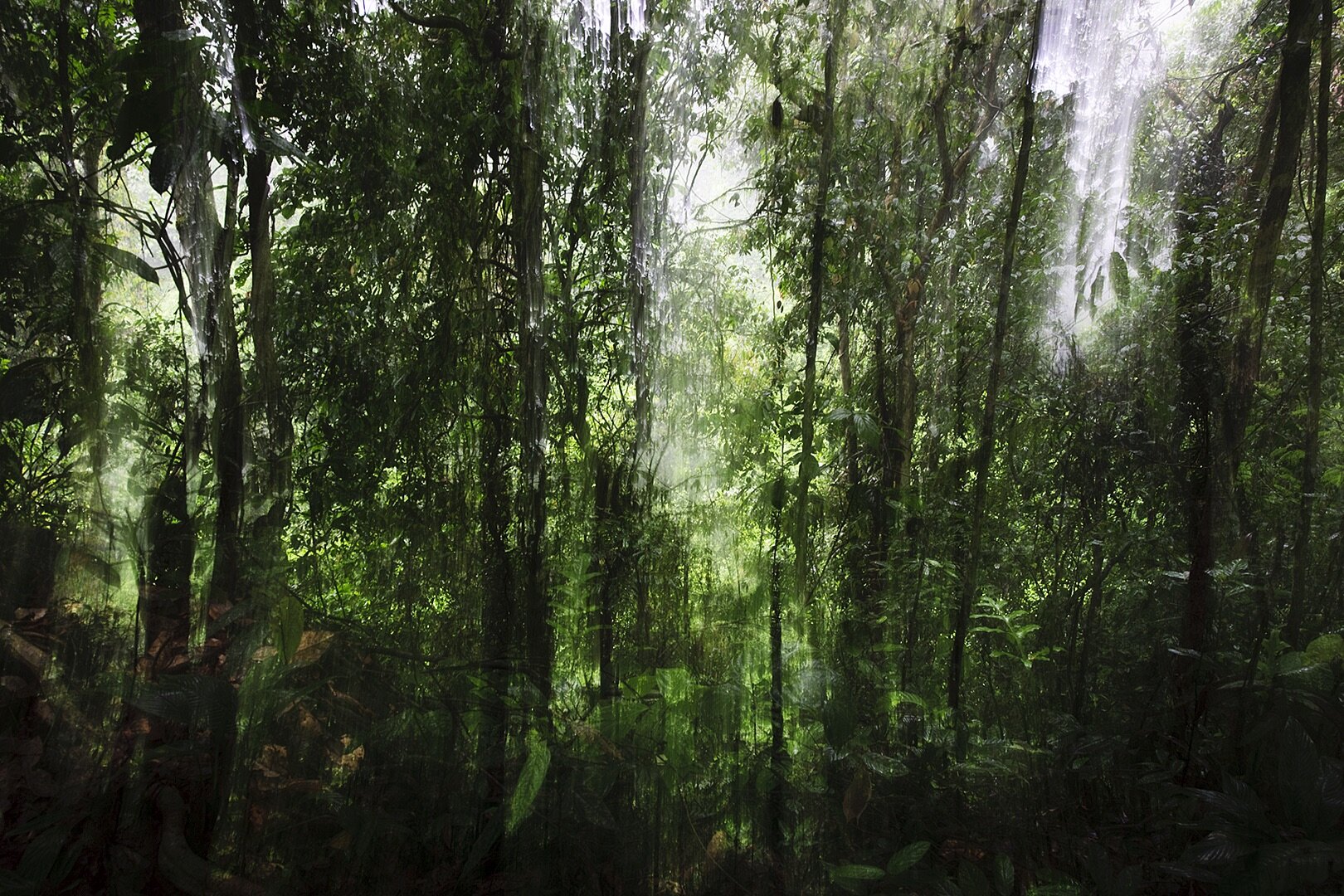
After breakfast, we will begin our journey east along the Pan-American Highway, climbing through the Talamanca mountains and over the Cerro de la Muerte pass at almost 3,400 meters. On the way, we will stop at the Mirador de Quetzales (the Quetzal Lookout) for lunch and a first walk on the trails of the highland cloud forest, home of the resplendent quetzal and many other endemic bird species.
Here, we will also photograph flying hummingbirds. On a platform, you can set up your tripod and work with different shutter speeds, from short shutter speeds where you freeze the wings to long times where you get motion blur on the wings.
In the afternoon, we continue down into the lush cloud forest, following the Savegre River to San Gerardo de Dota, where we check in at Savegre Hotel, our base for the next two nights. Dinner in the evening. (F, L, M)

DAY 3, (May 1)
SAN GERARDO FOREST RESERVE & BATSU GARDENS
Early in the morning, we go on a hike in San Gerardo Forest Reserve which offers more than 170 different bird species. With the help of skilled nature guides, we walk through the dense vegetation in search of the beautiful quetzal, which with its green head, red breast, and long, shimmering turquoise tail is one of Costa Rica’s most beautiful birds. We listen for their deep, melodic calls as we silently track these elusive birds. But here, there is also a wide range of other bird species, such as emerald toucanets, golden-browed chlorophonias, and tanagers among many others.
Later in the day, we visit Batsu Gardens, a garden created especially for bird photography, where feeders and carefully arranged perches attract hummingbirds, tanagers, and many other colorful mountain birds. Just like the other photo sessions out in the field, Mattias will be there to provide tips and personal guidance. He will also share his extensive knowledge of the surrounding nature and the rich wildlife. (F, L, M)

DAY 4, (May 2)
SAN GERARDO – NICUESA RAINFOREST LODGE
After breakfast, we leave the mountains and travel south towards the Pacific coast and the small town of Golfito, where we stop for lunch. After this, we take a boat to our hotel Playa Nicuesa Rainforest Lodge. This is a luxurious eco-lodge in Piedras Blancas National Park on the southern Pacific coast of Costa Rica. The lodge is surrounded by tropical rainforest and pristine beaches and is only accessible by boat. In the late afternoon, we check in at the lodge which will be our base for the next few days.
We end the day with a good dinner while enjoying the sounds of the rainforest. (F, L, M)
DAYS 5-8, (May 3-6)
PLAYA NICUESA RAINFOREST
During these days, we will explore the rainforest in Piedras Blancas National Park and photograph all its animals, birds, insects, and reptiles both during the day and during night walks.
The lodge is located more or less in the dense rainforest and is a paradise for photographers. Here, you have the opportunity to capture everything from colorful parrots such as scarlet macaws and yellow-cheeked Amazons to toucans and blue-naped parrots. But here, there are also reptiles like the highly poisonous snakes, boa constrictors, helmeted basilisk lizards, glass frogs, poison dart frogs, and mammals like howler monkeys, spider monkeys, coatis, sloths, and agoutis. In the park, there are also thousands of beautiful insects and colorful butterflies.
In the evenings, we go on night walks, work on photo editing, and listen to Mattias’ fantastic stories from the many assignments he has done in Costa Rica. (F, L, M)
DAY 9, (May 7)
NICUESA – TARCOLES
After a last morning at the lodge, we take the boat back to Golfito and continue by bus north along the Pacific coast towards Tarcoles. On the way, we visit Rainmaker Conservation Park, a private rainforest reserve known for its hanging bridges, waterfalls, and rich wildlife, perfect for both landscape and macro photography.
In the late afternoon, we arrive at Hotel Cerro Lodge, close to Carara National Park. In the evening, we will have a nice farewell dinner where Mattias summarizes the days together in Costa Rica. (F, L, M)
DAY 10, (MAY 8)
CARARA NATIONAL PARK
We start early to be at the gates of Carara National Park when they open, the best time of day for wildlife. Carara protects a unique transitional forest where tropical dry forest meets humid rainforest, and the park is home to nearly half of Costa Rica’s bird species, among them trogons, motmots, toucans, and the spectacular scarlet macaw.
After the morning visit, we continue to the Tarcoles River for lunch, followed by a two-hour crocodile and bird safari by boat on the river and through the mangroves. The Tarcoles River is home to one of the world’s largest populations of wild American crocodiles, and the birdlife along the river and in the estuary is outstanding.
After the boat tour, we drive back to San José were we will check in at Cariari Double Tree Hotel near the airport. Time for some relaxation before we will have a nice farewell dinner where Mattias summarizes the days together in Costa Rica (B, L, D)

DAY 11, (MAY 9) – DEPARTURE HOME
Breakfast followed by the hotels shuttle transfer to the international airport in time for your flights home. (B)
FOLLOW-UP MEETING
After returning home, Mattias will host a follow-up meeting where we’ll review each other’s photos. Even before that, you’ll submit your best photos from the trip. Mattias will then select the “Travel Photo,” which automatically advances to the final round of the “Picture of the Year 2028” competition, competing for fantastic prizes.
PHOTOGRAPHER
PHOTOGRAPHER
MATTIAS KLUM
National Geographic photographer
Mattias Klum is a photographer, cinematographer and director. In an artistic way that is entirely his own, he describes and portrays animals, plants and natural and cultural settings in the form of articles, books, films and exhibitions. Since 1997, Mattias has produced multiple articles and thirteen cover stories for National Geographic magazine. He has produced 9 film projects and published 14 books to date. Klum is also an internationally sought-after lecturer and has given more than 3000 lectures worldwide. His photographs have been shown in one-man exhibitions at renowned museums and art galleries all around the world. He has been named a Young Global Leader of the World Economic Forum, awarded an honorary Doctorate in Natural Sciences by Stockholm University, appointed Fellow at the National Geographic Society, goodwill ambassador for IUCN and WWF and serves as a member of the Board of Trustees at WWF Sweden.
You can read more about Mattias here.
See more photos: @mattiasklumofficial

Read more about Mattias Klum here.
Mattias Klum is a photographer, cinematographer and director. In an artistic way that is entirely his own, he describes and portrays animals, plants and natural and cultural settings in the form of articles, books, films and exhibitions. Since 1997, Mattias has produced multiple articles and thirteen cover stories for National Geographic magazine. He has produced 9 film projects and published 14 books to date.
Klum is also an internationally sought-after lecturer and has given more than 3000 lectures worldwide. His photographs have been shown in one-man exhibitions at renowned museums and art galleries all around the world. He has been named a Young Global Leader of the World Economic Forum, awarded an honorary Doctorate in Natural Sciences by Stockholm University, appointed Fellow at the National Geographic Society, goodwill ambassador for IUCN and WWF and serves as a member of the Board of Trustees at WWF Sweden.
You can read more about Mattias here.
See more photos: @mattiasklumofficial
HOTELS & LODGES
HOTELS & LODGES
PRICE, FACTS & BOOKING
PRICE, FACTS & BOOKING
PRICE
Price per person: USD 8.900*
*The price is based on 2027 rates and will be updated with 2028 rates after the summer of 2027.
Price includes:
-
Accommodation as per the itinerary in shared double rooms.
-
Meals as per the itinerary (B=Breakfast, L=Lunch, D=Dinner).
-
Bus transportation as per the itinerary.
-
Boat transportation as per the itinerary.
-
Admissions as per the itinerary.
-
Entry fees for national parks as per the itinerary.
-
Participation of Mattias Klum throughout the trip.
-
Workshop and lectures by Mattias Klum during the trip.
-
Personal portfolio review with Mattias Klum.
-
Daniel Iglesias, Swedish tour host from Zoom Fotoresor.
-
One of Costa Rica’s best nature guides will participate in the trip
-
Participation of local nature guides during tours in the parks.
-
Hotel and other local taxes and fees.
-
Travel documents and practical travel information.
Price does not include:
-
Flights to and from Costa Rica.
-
Single room supplement. USD 1.400
-
All personal expenses, such as drinks, etc.
-
Tips for the main guide, typically 10 dollars/day.
-
Tips for hotel staff and drivers. typically 2-4 dollars/day.
-
Cancellation protection and travel insurance. See our website under “Other”.
FLIGHTS
Flights to Costa Rica are arranged independently. You can arrive in Costa Rica at any time on April 29. The return flight could be anytime during May 9.
If you would like assistance with booking your flight to Costa Rica, we are more than happy to help. You are welcome to call us at +46 70 180 90 99 or email us at info@zoomphototours.com
FACTA
Target Group: Wildlife and nature photographers of all ages.
Min / Max numer of participants: 9/12
Languages: Swedish, English
Additional Information: For more information about Zoom Fotoresor, delivery terms, etc., see our website under “Other”.
PHOTO GEAR
-
Your camera.
-
A standard zoom lens ranging from 24 to 200 mm for landscape photography.
-
A telephoto lens up to 500 mm for wildlife and nature photography.
-
A mono- or tripod.
-
Memory cards and card reader.
-
Extra batteries and charger.
-
A cleaning kit for the camera/lenses.
-
A laptop with either Photoshop CS or Lightroom software.
BOOKING
You can book the trip by clicking on the button below. You are also welcome to call us on the phone +46 70 180 90 99 or email us at info@zoomphototours.com
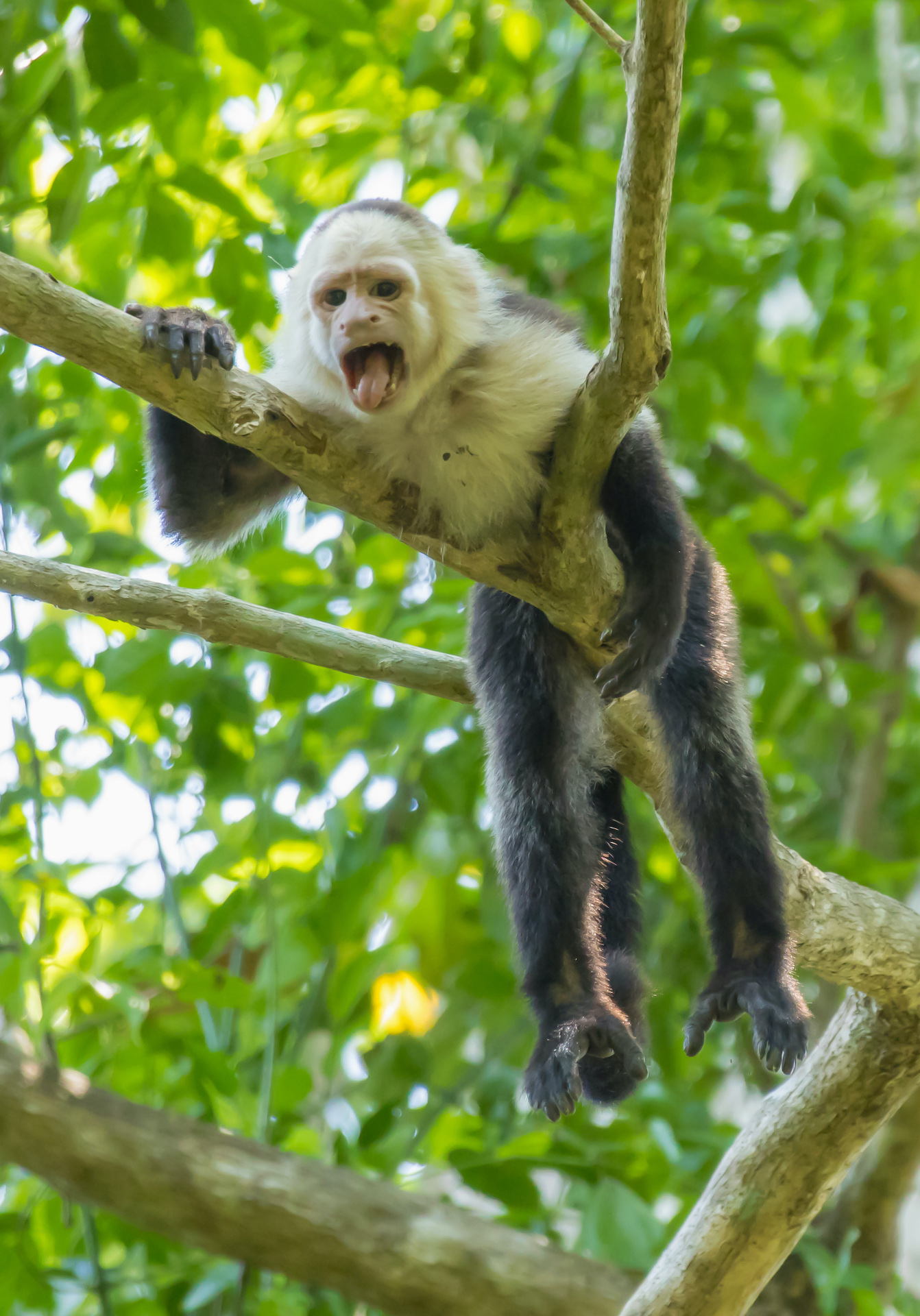
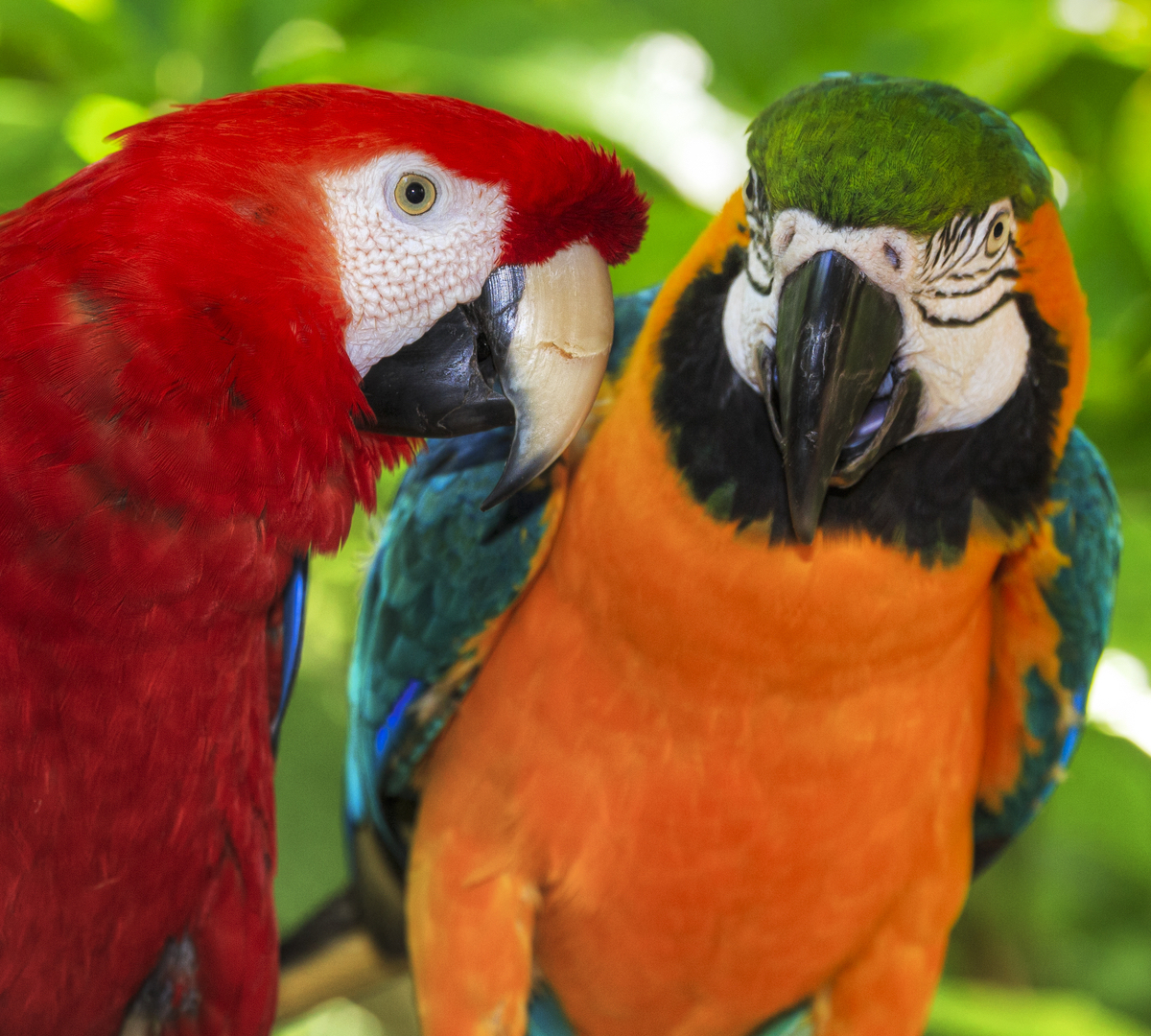
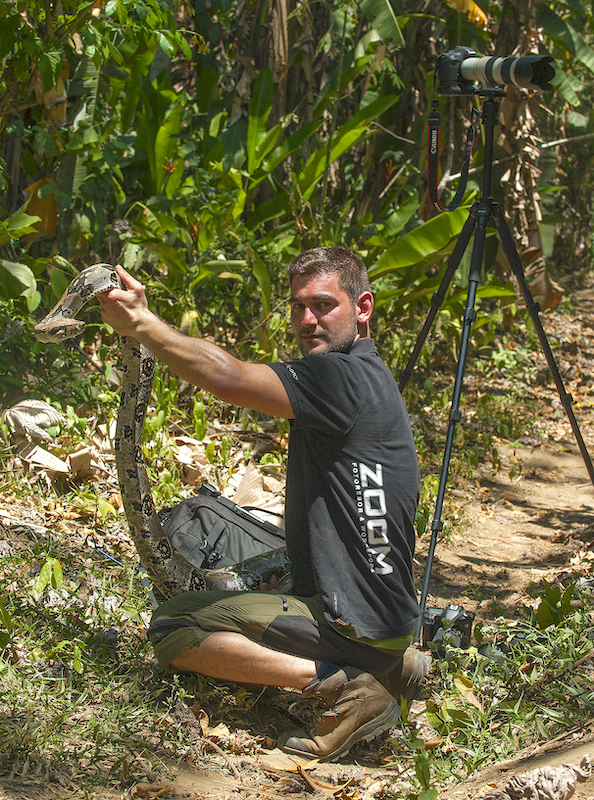
Photo: Mattias Klum & Daniel Iglesias