
BIRDLIFE OF THE SHETLAND ISLANDS
WITH PHOTOGRAPHER TOM DYRINGCOUNTRY: Scotland PHOTO: Bird DURATION: 7 days DATES: June 23-29 2027 MIN/MAX PARTICIPANT: 8/12

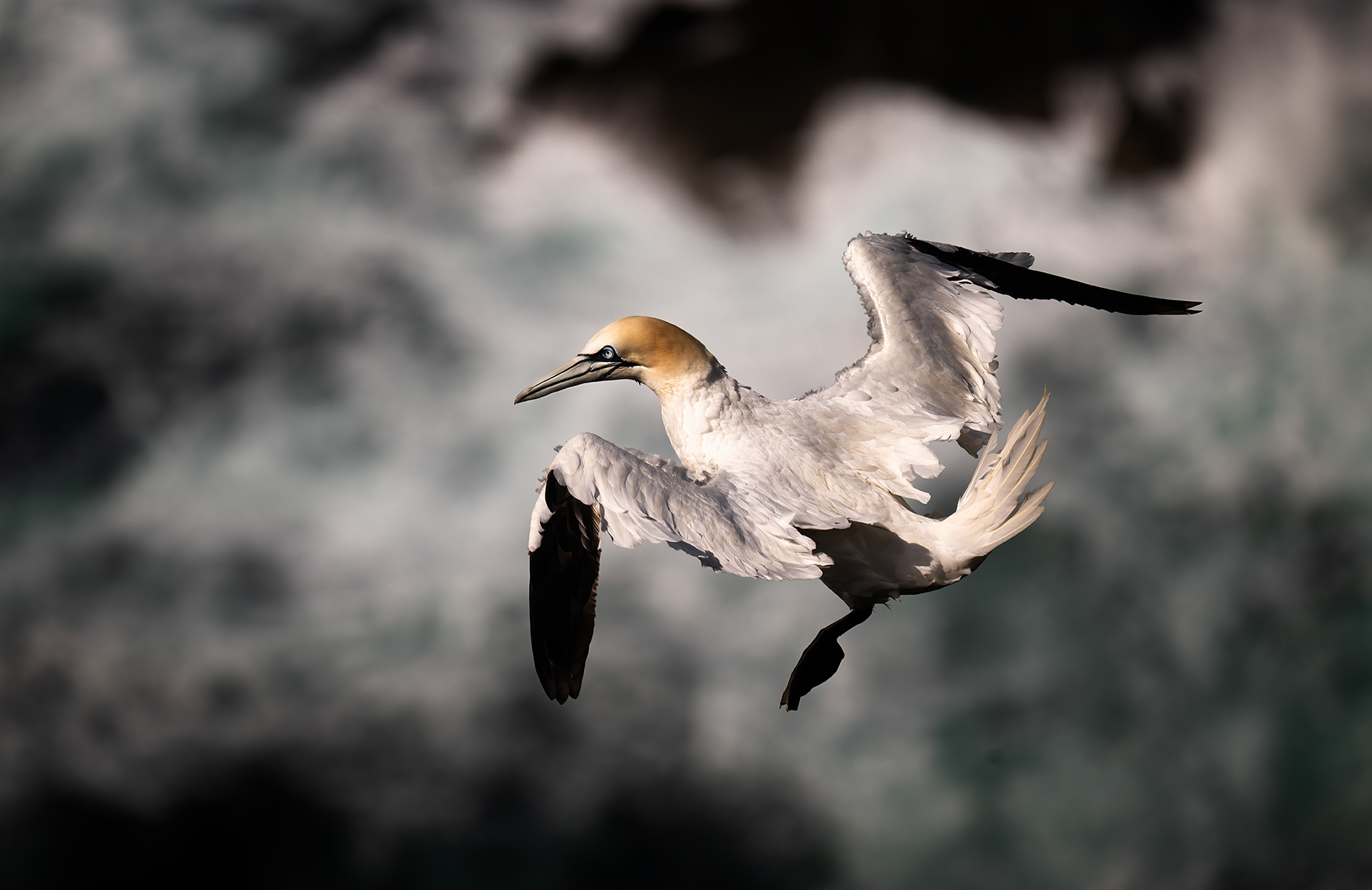
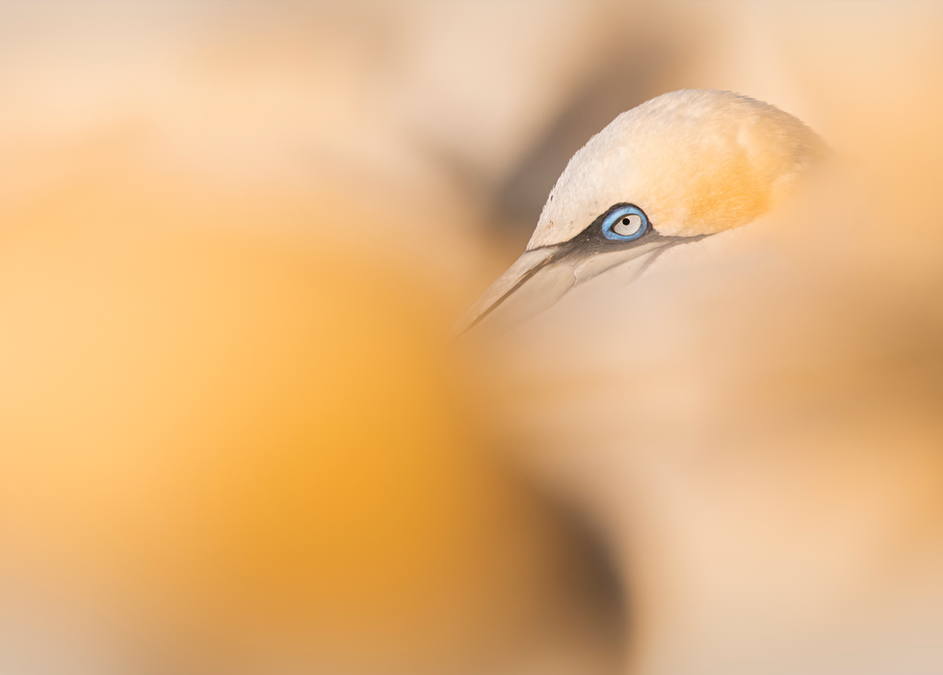
During several trips to the Shetland Islands, I have experienced incredible birdlife, with puffins, diving gannets, and the world-famous Hermaness reserve, home to gannets and many other seabirds, all at very close range.
Tom Dyring
The Shetland Islands are a dream destination for bird photographers, where dramatic landscapes provide a spectacular backdrop for capturing some of the world’s most iconic birds. Here, you can photograph everything from the charming puffin to majestic gannets diving into the cold Atlantic waters. The islands’ steep cliffs are home to thousands of birds, including guillemots, razorbills, fulmars, and great skuas – a true paradise for bird photography.
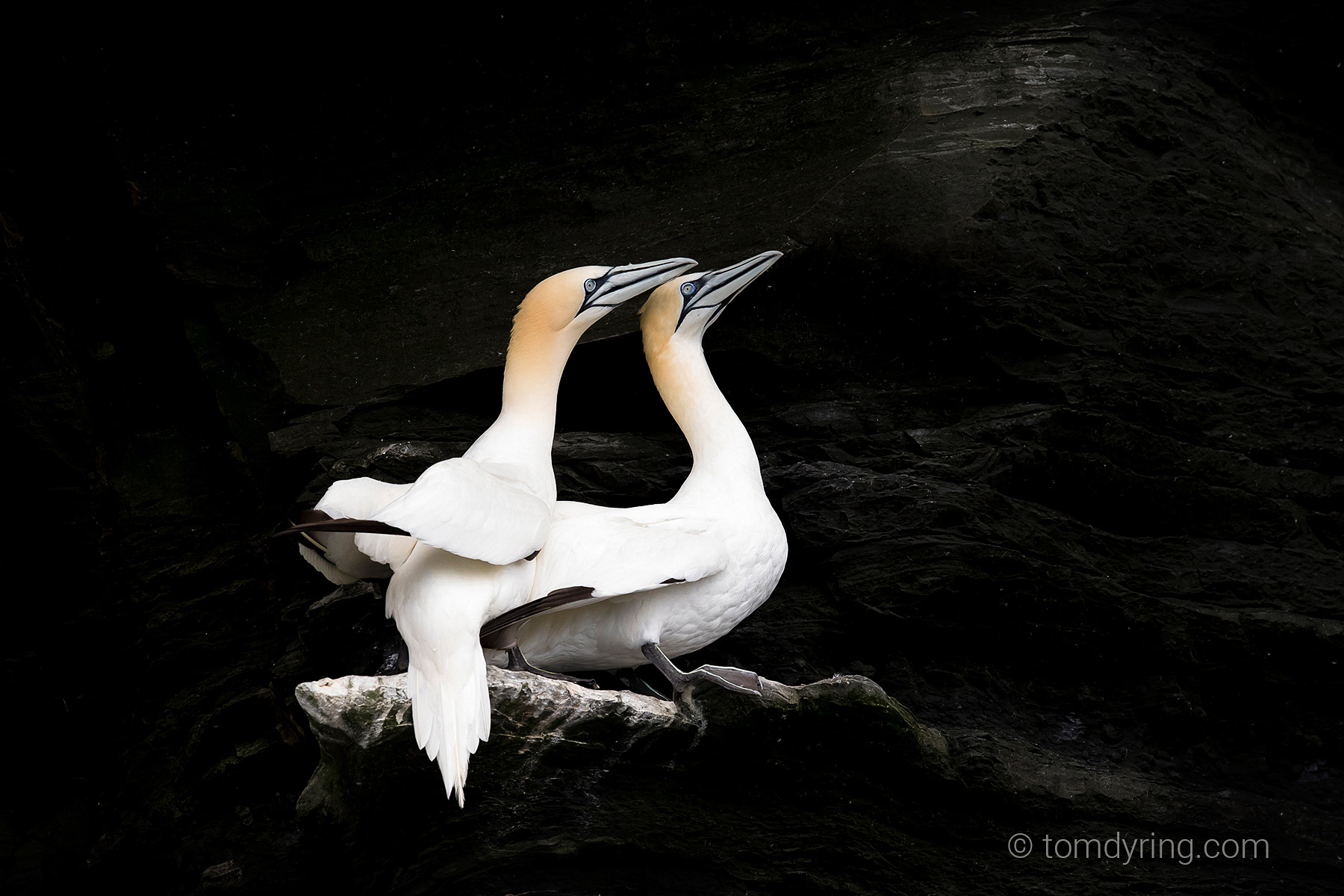
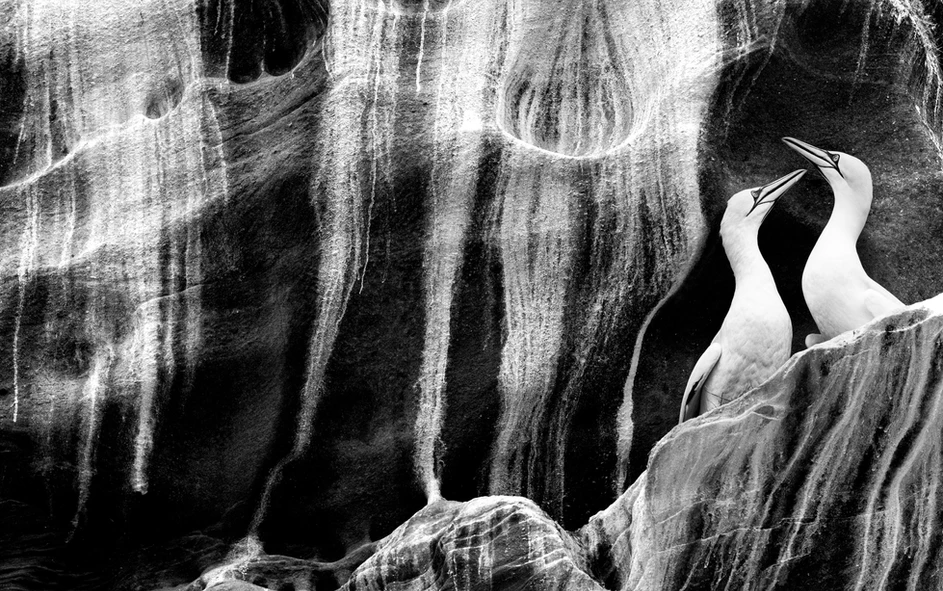
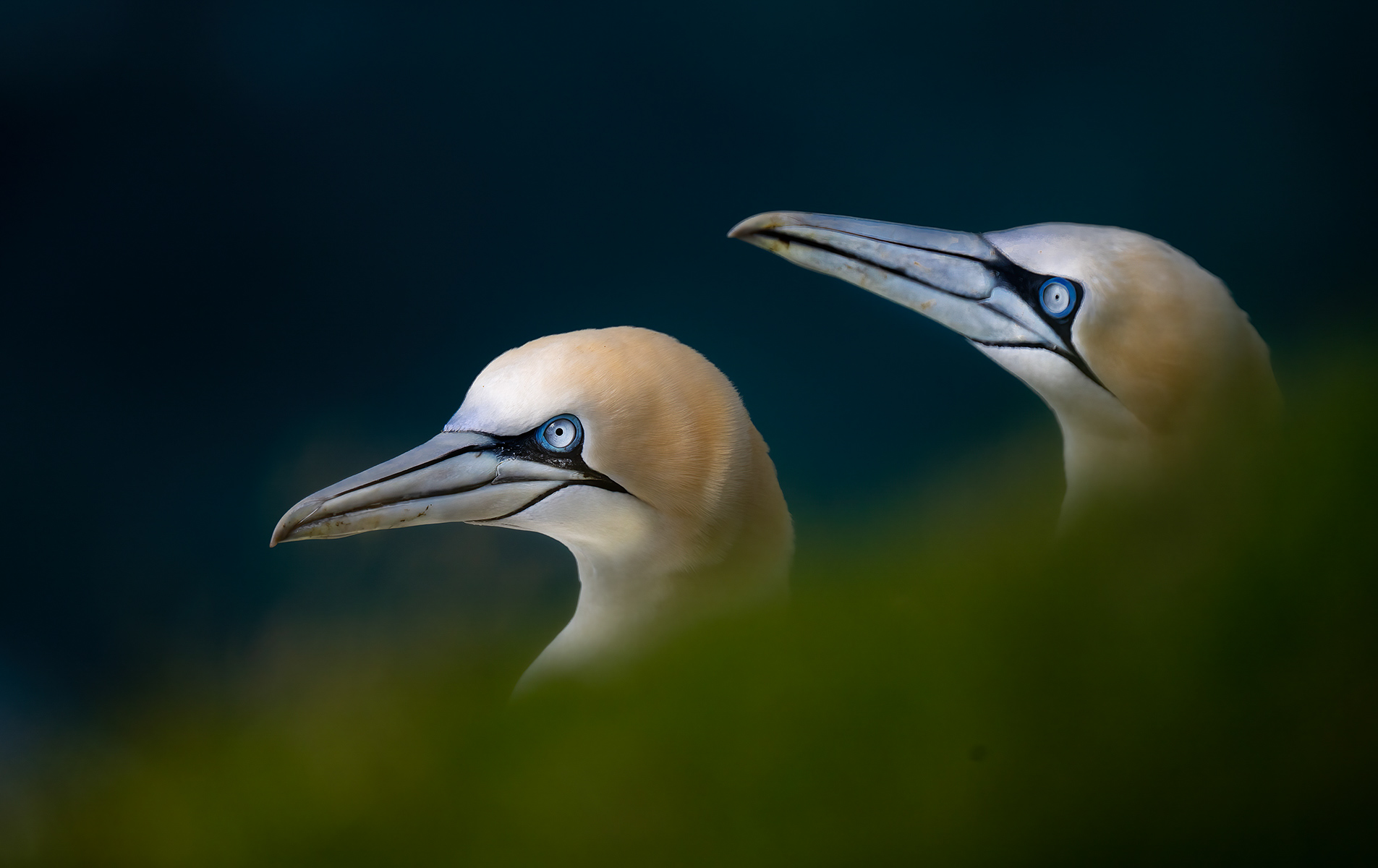
Now you have the opportunity to join photographer Tom Dyring on an exclusive bird photography tour to the Shetland Islands. One of the highlights of the trip is the days we spend at the world-famous Hermaness National Nature Reserve, known for its impressive colonies of gannets. Here, on the dramatic cliffs, you’ll have the chance to photograph these birds up close in their natural environment.
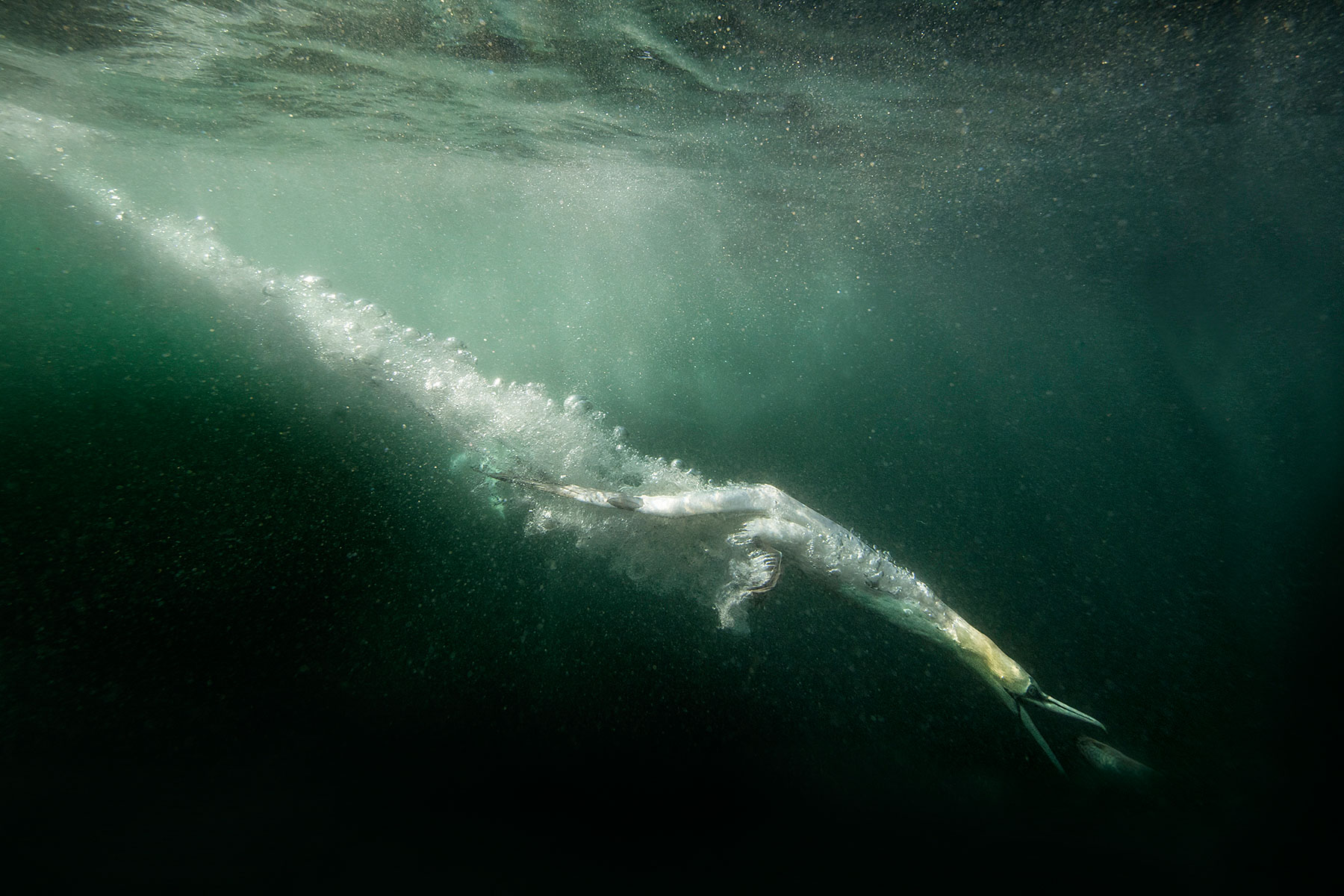
At Sumburgh Head and on the island of Noss, we will photograph puffins, and during a boat trip you’ll have the opportunity to capture unique action shots of gannets diving for fish in the cold, crystal-clear waters.
Tom Dyring will be with you throughout the entire journey, offering personal guidance and helping you develop as a photographer. Through inspiring talks, detailed field guidance, and constructive image critique, he will share his best tips and techniques and helping you capture the beauty of nature in new ways. This trip will provide you with valuable tools to take your photography skills to the next level.
TOUR HIGHLIGHTS:
-
The beautiful and dramatic landscapes of the Shetland Islands
-
Photograph puffins in spectacular scenery at Sumburgh Head and on the island of Noss
-
The world-famous gannet colonies and stunning seabird cliffs at Hermaness National Nature Reserve
-
Boat trips including opportunities to photograph diving gannets
-
Thousands of breeding birds including guillemots, razorbills, puffins, fulmars, black guillemots, great skuas, and gannets
-
Small group size allowing for individual time with Tom Dyring
-
Full participation of Tom Dyring throughout the trip
-
Lectures and workshops led by Tom Dyring
COUNTRY: Scotland PHOTO: Bird DURATION: 7 days DATES: June 23-29 2027 MIN/MAX PARTICIPANTS: 8/12
BIRDLIFE OF THE SHETLAND ISLANDS
WITH PHOTOGRAPHER TOM DYRING
During several trips to the Shetland Islands, I have experienced incredible birdlife, with puffins, diving gannets, and the world-famous Hermaness reserve—home to gannets and many other seabirds—all at very close range.
Tom Dyring
The Shetland Islands are a dream destination for bird photographers, where dramatic landscapes provide a spectacular backdrop for capturing some of the world’s most iconic birds. Here, you can photograph everything from the charming puffin to majestic gannets diving into the cold Atlantic waters. The islands’ steep cliffs are home to thousands of birds, including guillemots, razorbills, fulmars, and great skuas – a true paradise for bird photography.
Now you have the opportunity to join photographer Tom Dyring on an exclusive bird photography tour to the Shetland Islands. One of the highlights of the trip is the days we spend at the world-famous Hermaness National Nature Reserve, known for its impressive colonies of gannets. Here, on the dramatic cliffs, you’ll have the chance to photograph these birds up close in their natural environment.
At Sumburgh Head and on the island of Noss, we will photograph puffins, and during a boat trip you’ll have the opportunity to capture unique action shots of gannets diving for fish in the cold, crystal-clear waters.
Tom Dyring will be with you throughout the entire journey, offering personal guidance and helping you develop as a photographer. Through inspiring talks, detailed field guidance, and constructive image critique, he will share his best tips and techniques—helping you capture the beauty of nature in new ways. This trip will provide you with valuable tools to take your photography skills to the next level.
TOUR HIGHLIGHTS:
-
The beautiful and dramatic landscapes of the Shetland Islands
-
Photograph puffins in spectacular scenery at Sumburgh Head and on the island of Noss
-
The world-famous gannet colonies and stunning seabird cliffs at Hermaness National Nature Reserve
-
Boat trips including opportunities to photograph diving gannets
-
Thousands of breeding birds including guillemots, razorbills, puffins, fulmars, black guillemots, great skuas, and gannets
-
Small group size allowing for individual time with Tom Dyring
-
Full participation of Tom Dyring throughout the trip
-
Lectures and workshops led by Tom Dyring
THE SHETLAND ISLANDS
THE SHETLAND ISLANDS
The Shetland Islands are a Scottish archipelago located between the North Sea and the Atlantic Ocean, northeast of the United Kingdom, between the Orkney Islands, the Faroe Islands, and Norway. The islands consist of several hundred islands, islets, and skerries, of which only 16 are inhabited today. The total area is 1,445 km², with a combined coastline of around 500 km. Most of the population lives on the main island, Mainland. On its eastern side lies Lerwick, which has been the archipelago’s main town since the 18th century. The Shetland Islands have a population of around 23,000 people, about 7,500 of whom live in Lerwick. Locals often refer to their islands as “The Old Rock” – a fitting name, as the bedrock, like that of Greenland, is among the oldest in the world, formed more than 2,000 million years ago.
Nature and wildlife— including Shetland ponies, 300,000 sheep, and over a million birds, with around 300,000 puffins—attract photographers from all over the world. During the breeding season, from April to August, the sea cliffs and coastal meadows are teeming with life. For bird photographers, this is a true paradise offering unforgettable experiences. Thousands of guillemots, razorbills, puffins, fulmars, and gannets nest along the cliffs. On the moorlands, you may spot great skuas, Arctic skuas, Eurasian curlews, and whimbrels, while oystercatchers can be seen on the meadows. In the sea, eiders swim, and in the lakes you’ll find various ducks and red-throated divers.
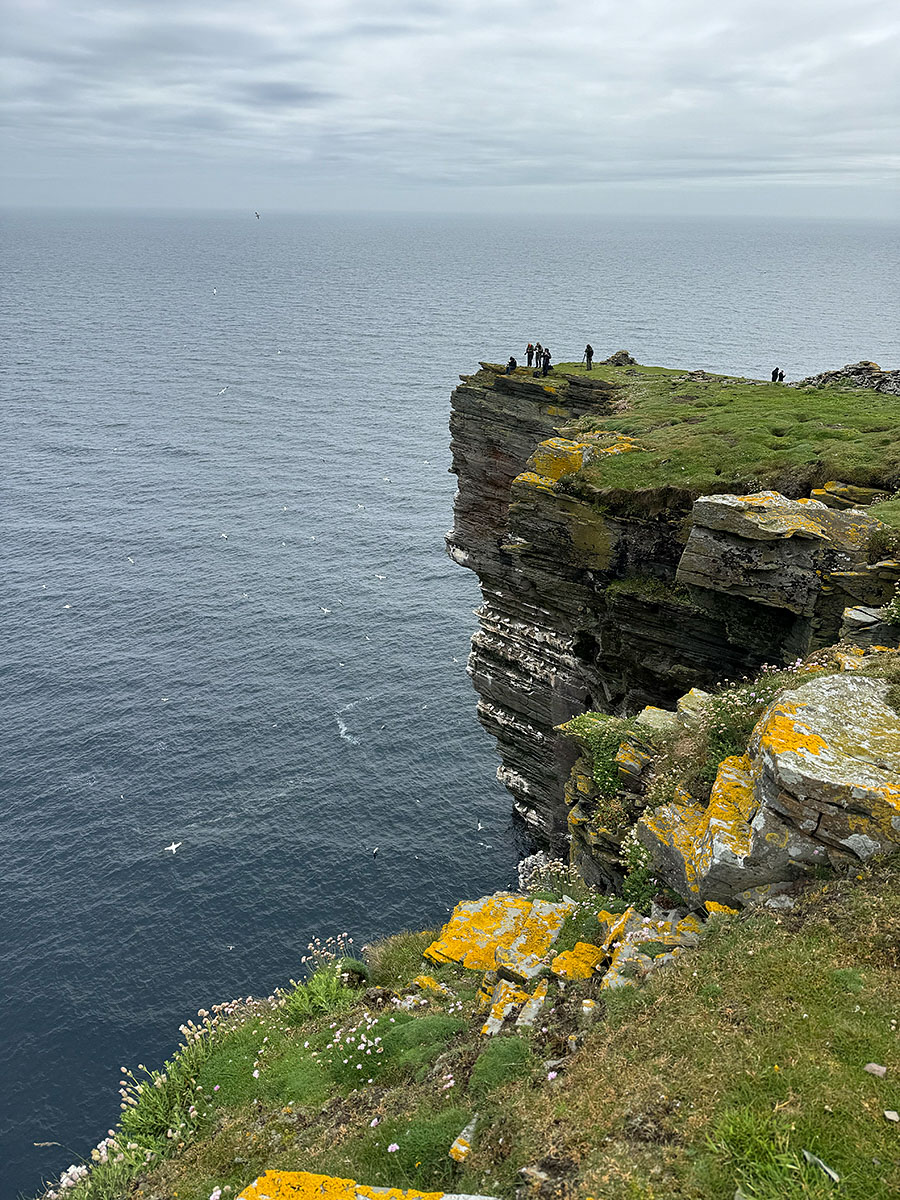
Birds are everywhere, but some locations stand out in particular—such as Hermaness National Nature Reserve on the northernmost island of Unst, and Sumburgh Head at the southern tip of Mainland.
Read more about the Shetland Islands and its birdlife
The Shetland Islands are a Scottish archipelago located between the North Sea and the Atlantic Ocean, northeast of the United Kingdom, between the Orkney Islands, the Faroe Islands, and Norway. The islands consist of several hundred islands, islets, and skerries, of which only 16 are inhabited. The total area is 1,445 km², and the combined coastline stretches for approximately 500 km. Most of the population lives on the main island, Mainland. On its eastern side lies Lerwick, which has been the archipelago’s main town since the 18th century. The population of the Shetland Islands is around 23,000, with approximately 7,500 living in Lerwick. Locals often refer to their islands as “The Old Rock” – a fitting name, as the ancient bedrock, like that of Greenland, is among the oldest in the world, formed more than 2,000 million years ago.
Nature and wildlife—including Shetland ponies, around 300,000 sheep, and more than one million birds, including approximately 300,000 puffins—attract photographers from all over the world. During the breeding season from April to August, the sea cliffs and coastal meadows are teeming with life. For bird photographers, this is a true paradise offering unforgettable experiences. Thousands of guillemots, razorbills, puffins, fulmars, and gannets nest along the cliffs. On the moorlands, you may see great skuas, Arctic skuas, Eurasian curlews, and whimbrels, while oystercatchers can be found on the meadows. In the sea, eiders swim, and in the lakes you’ll find various ducks and red-throated divers.
Birds are everywhere, but some locations stand out—such as Hermaness National Nature Reserve on the northernmost island of Unst, and Sumburgh Head at the southern tip of Mainland.
ITINERARY
ITINERARY
JUNE 23-29, 2027
NOTE! As the weather in the Shetland Islands is highly changeable and can shift from sunshine to rain within just a few hours, the program—especially boat trips—may be adjusted. This is done to ensure you get the best possible photography opportunities. The weather will also determine when we schedule image editing sessions, photo critiques, and lectures.
DAY 1, (JUNE 23) – ARRIVAL. BIRDS AT SUMBURGH HEAD
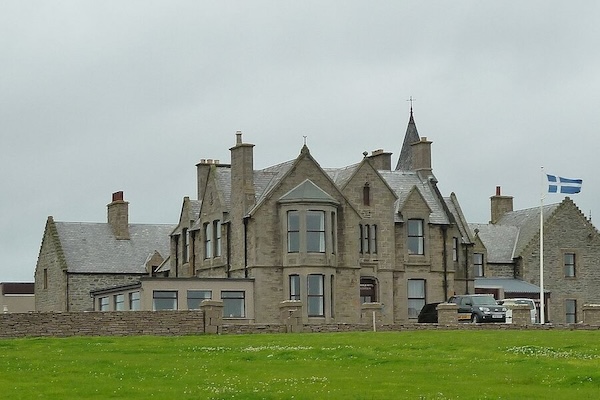
We meet at the Sumburgh Hotel near the airport in the afternoon, where you will be welcomed by Tom Dyring and a representative from Zoom Photo Tours.
Our journey begins with an inspiring presentation by Tom, introducing us to the world of bird photography. Using images from some of the locations we will visit during the trip, he will share what to consider in order to develop as a photographer. After the presentation, dinner will be served at the hotel.
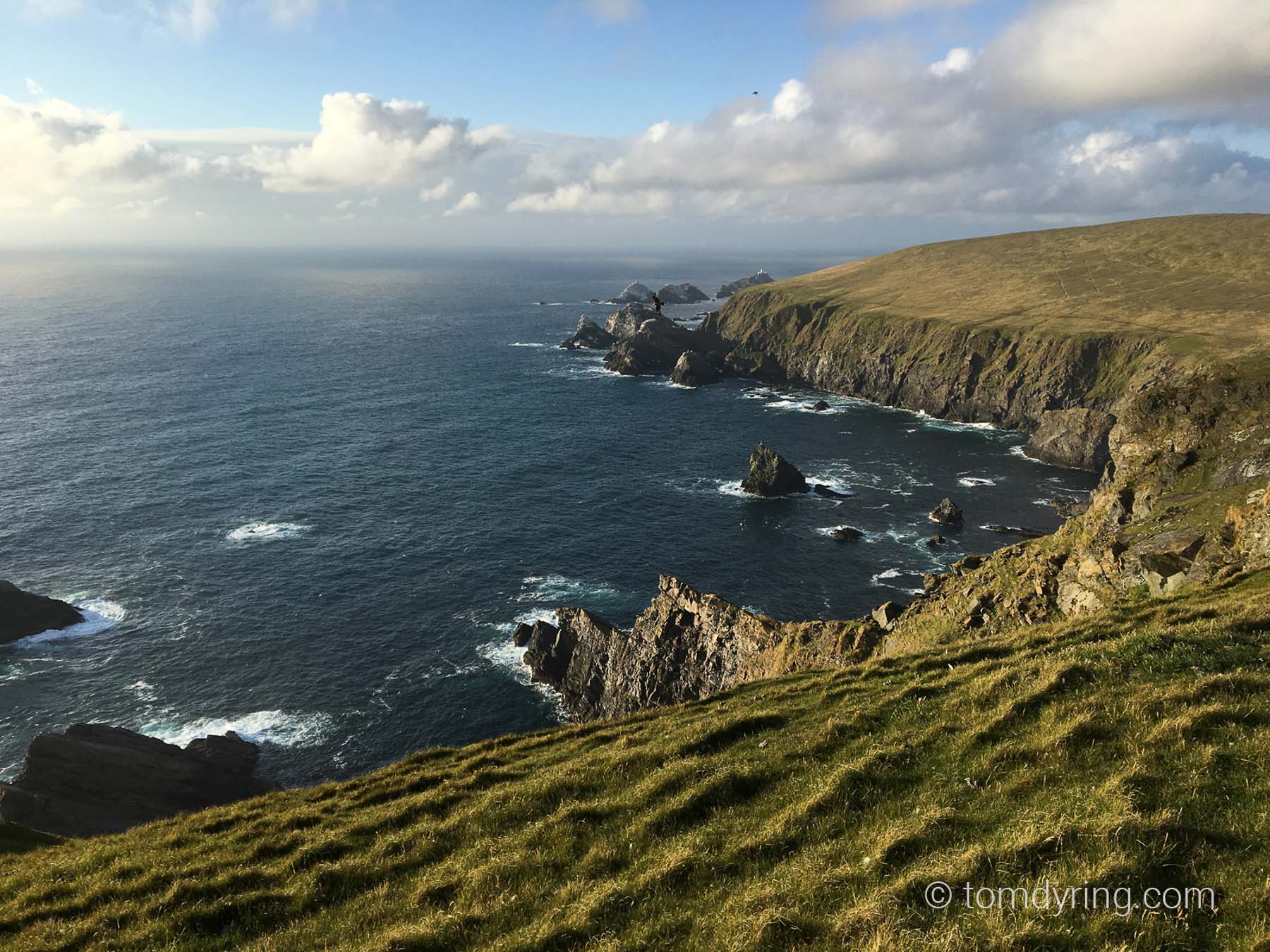
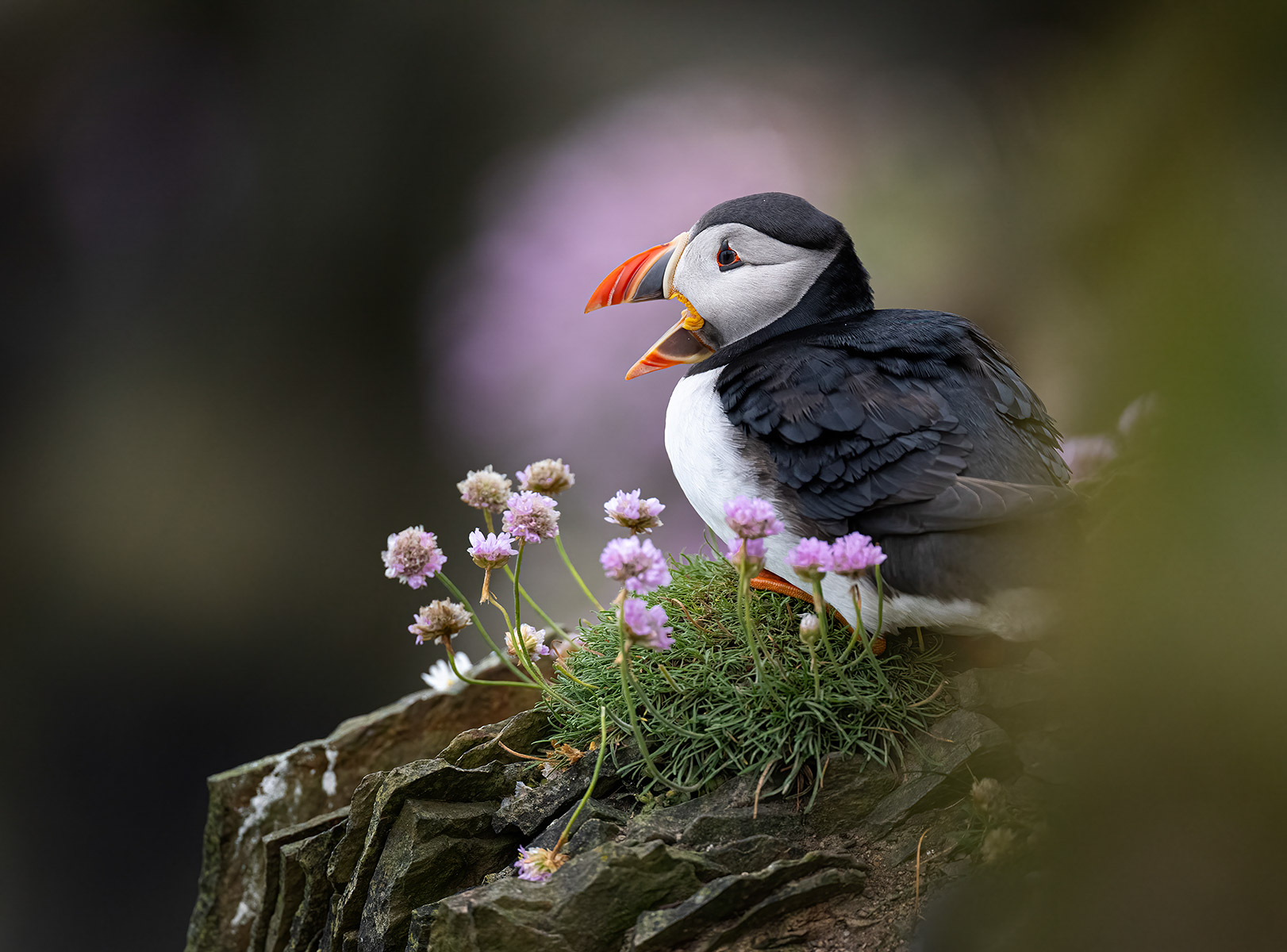
Afterwards, we head out to Sumburgh Head and its dramatic landscapes to photograph puffins at close range. They often sit along the cliff edges, creating stunning compositions with rugged cliffs and the deep blue sea stretching towards the horizon as a backdrop. As the sun begins to set and we’ve had our first taste of the photographic opportunities ahead, we return to the hotel.(M)
DAY 2, (JUNE 24) – DIVING GANNETS
After photographing the iconic puffins in the soft morning light and enjoying a good breakfast, it’s time to head towards the town of Lerwick.
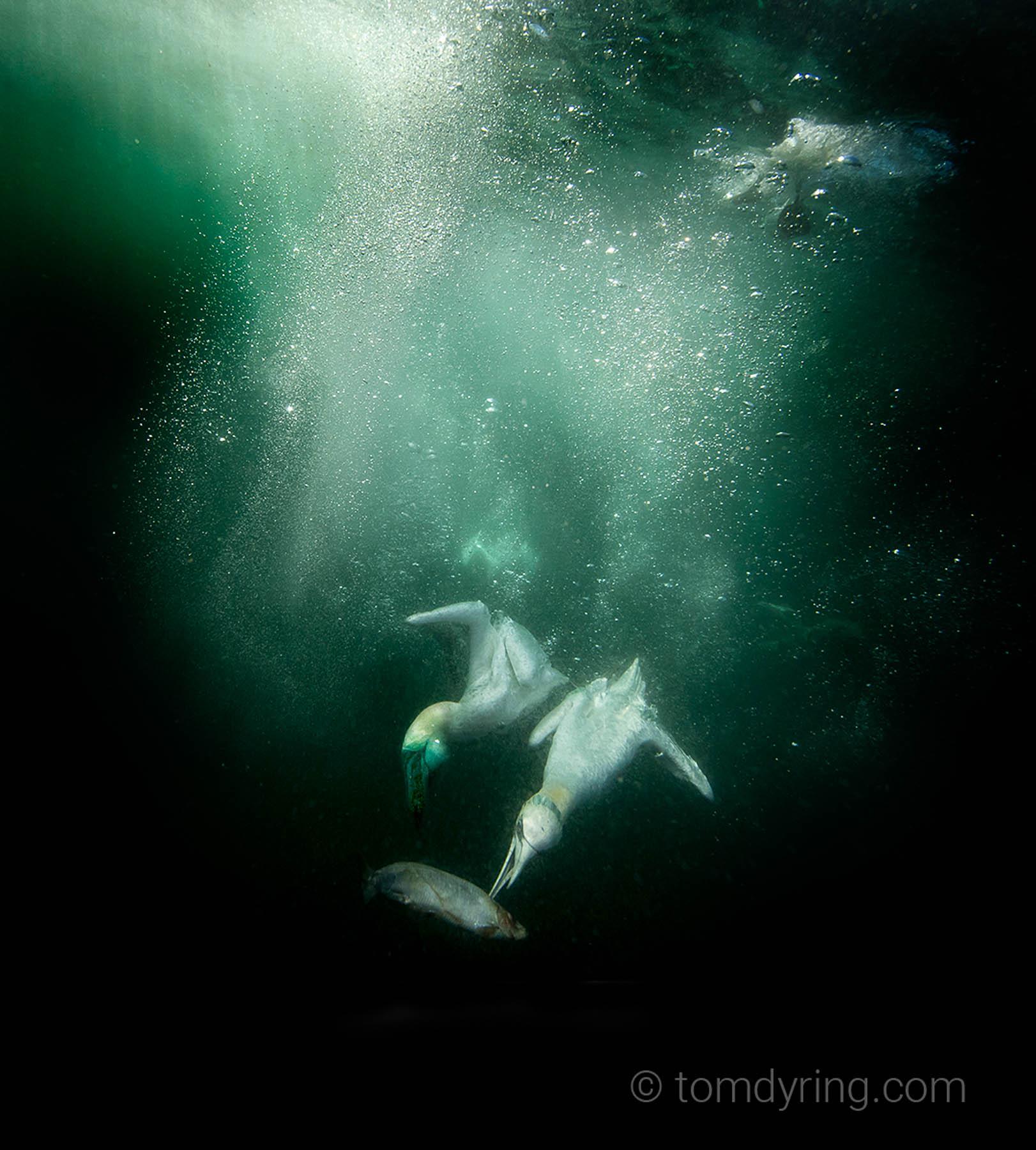
By boat, we leave the harbor in Lerwick for one of the highlights of the trip—the west side of Noss, where around 15,000 gannets nest. Out on the rolling sea, you’ll have the chance to photograph the dramatic cliffs from a completely new perspective, with some plunging hundreds of meters straight down into the Atlantic Ocean. Up close, we capture the spectacular moment as gannets plunge-dive into the water to catch fish. Tom Dyring will be with you throughout the boat trip, offering guidance on how to best capture the birds’ movement as they dive into the waves.
Back in Lerwick, there will be time for lunch on your own before we return to the hotel for dinner and evening photography at Sumburgh Head. (B, D)
DAY 3, (JUNE 25) – NOSS NATURE RESERVE
After breakfast, we check out and head towards the island of Noss. Following a short drive, we meet the ranger from Noss National Nature Reserve, who takes us across to the island by zodiac boat.
Upon arrival, an incredible photographic adventure awaits. As we reach the steep cliffs, we are greeted by a stunning seascape, large numbers of puffins, and thousands of nesting gannets. In addition to excellent opportunities to get close to puffins, the dramatic cliffs and seabird colonies offer completely new photographic perspectives.
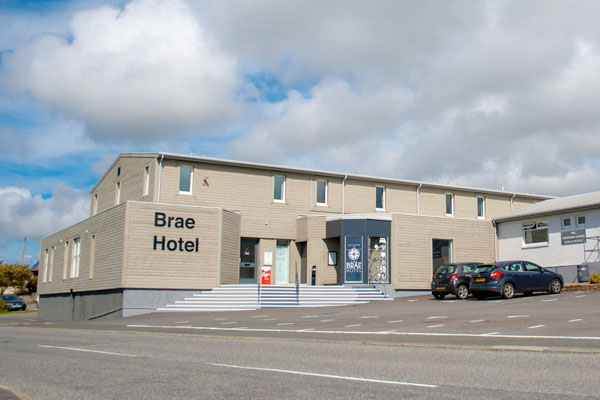
In the late afternoon, we continue to the northern part of Mainland, where we check in at Brae Hotel for four nights. In the evening, we will have image editing sessions and photo critiques.
DAY 4, (JUNE 26) – YELL
After breakfast, we head to Yell, one of the largest islands in the Shetland Islands. The island attracts visitors with its rolling, untouched grasslands stretching down to long sandy beaches, as well as its fascinating birdlife. For bird photographers, Yell is a dream destination.
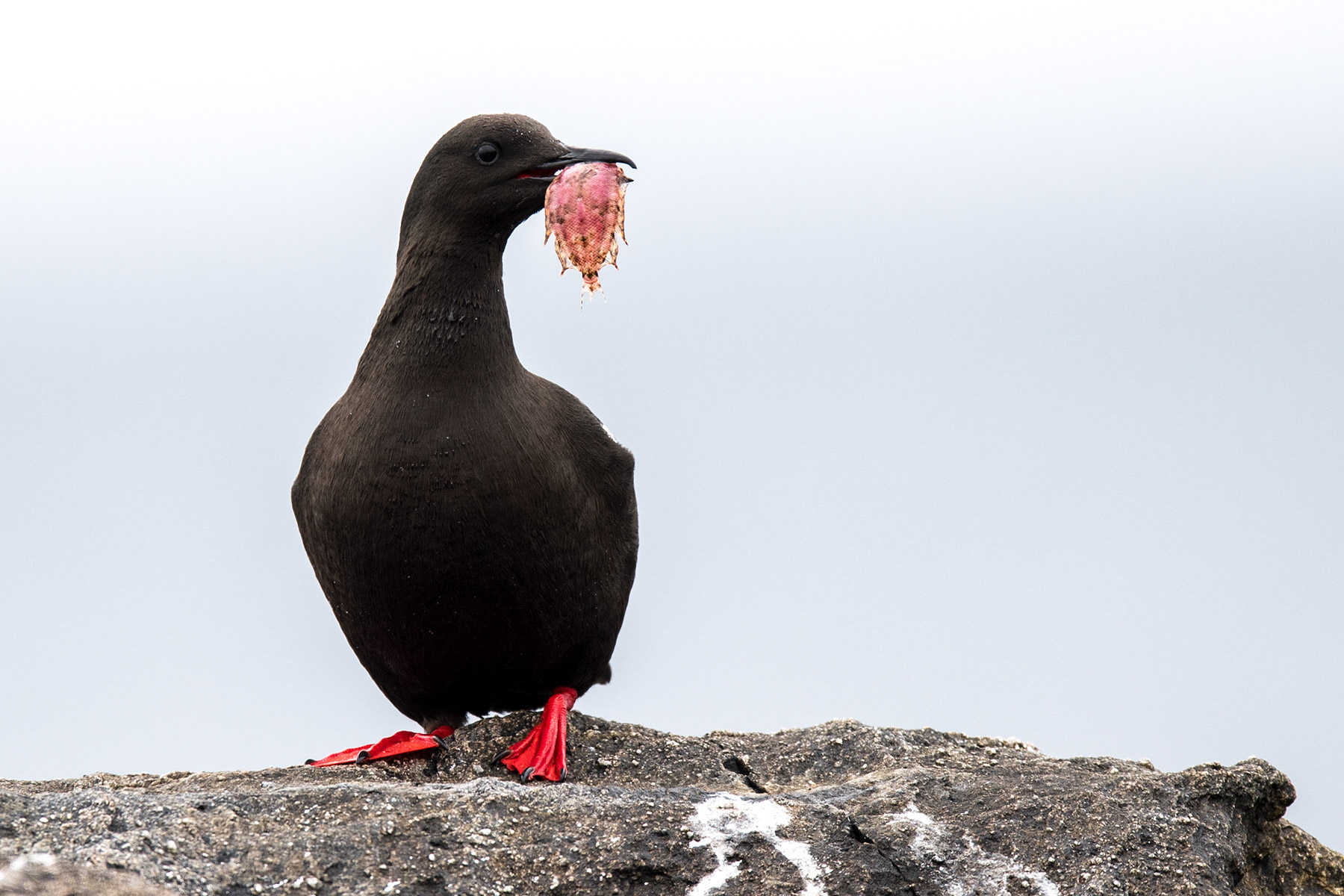
Here, among the island’s dramatic cliffs, you’ll have the chance to capture the colorful beak of the black guillemot against the rugged coastline. Colonies of fulmars and gulls provide endless photographic opportunities, while the wild nature offers new and unforgettable moments every day.
In the evening, we review the day’s images, and Tom Dyring provides constructive image critique. (B, L, D)
DAY 5–6, (JUNE 27–28) – HERMANESS NATIONAL RESERVE
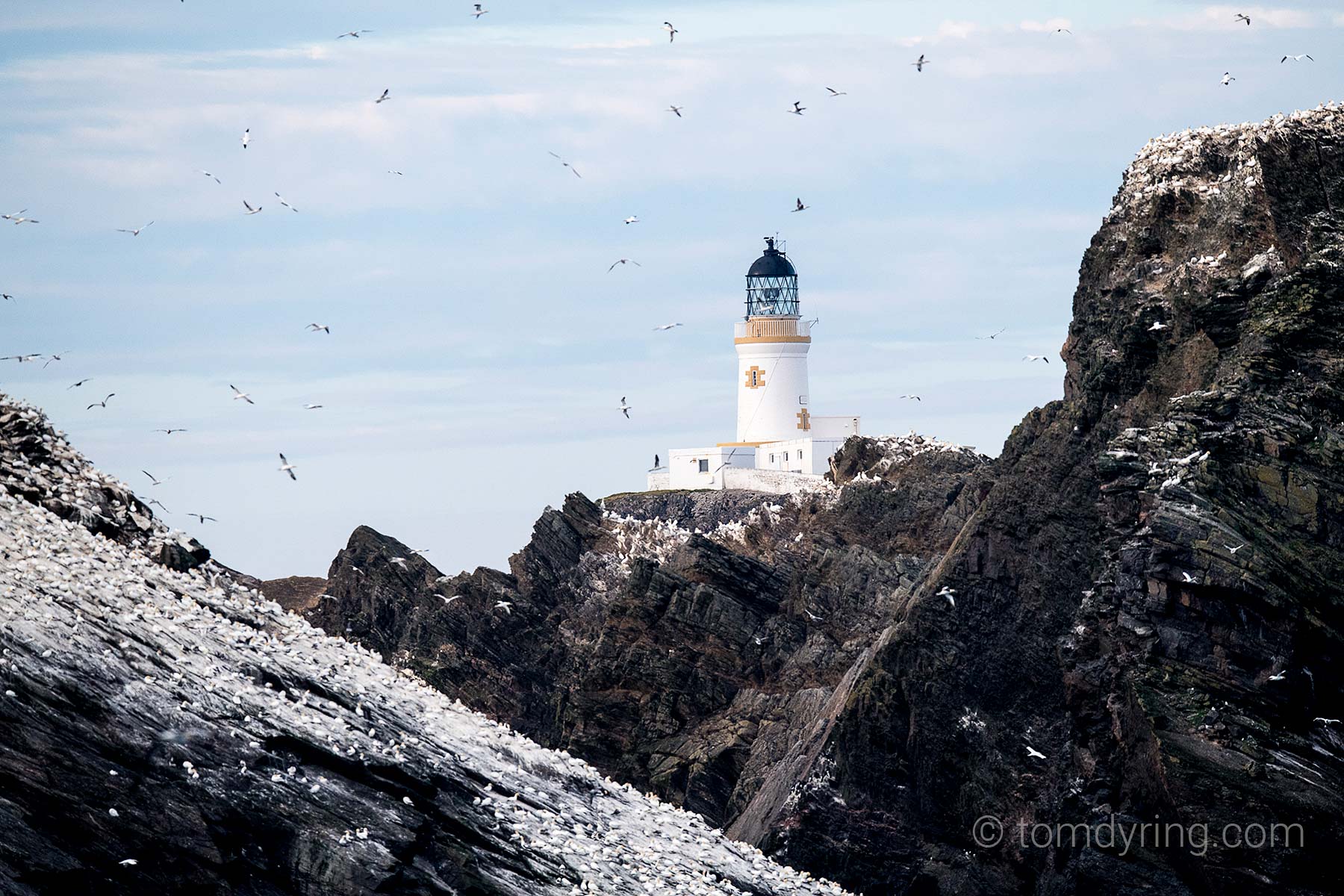
During these days, our destination is the northernmost island of the Shetland Islands—Unst—and the renowned Hermaness National Nature Reserve. With its vast colonies of gannets, Hermaness offers an extraordinary birdlife experience. Overlooking Muckle Flugga, the northernmost point of the United Kingdom, this reserve is home to thousands of seabirds.
After approximately an hour’s walk through grassy moorland, we reach the western cliffs, where large numbers of seabirds—including fulmars, gulls, around 20,000 pairs of gannets, puffins, and kittiwakes—nest. This is truly a paradise for bird photographers.
The area is famous for its massive gannet colonies. Along the cliff edges, seabirds gather in incredible numbers, offering endless photographic opportunities. As on previous days, Tom Dyring will be on hand to provide personal guidance and help you develop as a photographer. When the opportunity arises and the right subjects appear, Tom will also lead hands-on sessions, sharing his approach to image-making in the field.
Back at our hotel, we enjoy dinner and discuss the day’s photographic highlights. On the final evening, you will submit two images for the competition for the best photo of the trip. After dinner, Tom will select the “Image of the Trip,” and the winning photo will automatically qualify for the финals of the “Photo of the Year 2027” competition. (B, L, D)
DAY 7, (JUNE 29) – DEPARTURE
On our final day, we head south towards Sumburgh, where we explore the southern part of the island in search of species such as whimbrel, red-throated diver, and endemic subspecies like the Shetland wren. You will also have the opportunity to photograph the iconic Shetland pony, often very photogenic and allowing us to get close for great images. Afterwards, we continue to the airport for your onward journey home, with travel arrangements on your own. (B, L)
Here you can read more about the program for the seven days on the Shetland Islands.
JUNE 23-29, 2027
NOTE! As the weather in the Shetland Islands is highly changeable and can shift from sunshine to rain within just a few hours, the program—especially boat trips—may be adjusted. This is done to ensure you get the best possible photography opportunities. The weather will also determine when we schedule image editing sessions, photo critiques, and lectures.
AY 1, (JUNE 23) – ARRIVAL. BIRDS AT SUMBURGH HEAD
We meet at the Sumburgh Hotel near the airport in the afternoon, where you will be welcomed by Tom Dyring and a representative from Zoom Photo Tours.
Our journey begins with an inspiring presentation by Tom, introducing us to the world of bird photography. Using images from some of the locations we will visit during the trip, he will share what to consider in order to develop as a photographer. After the presentation, dinner will be served at the hotel.
Afterwards, we head out to Sumburgh Head and its dramatic landscapes to photograph puffins at close range. They often sit along the cliff edges, creating stunning compositions with rugged cliffs and the deep blue sea stretching towards the horizon as a backdrop. As the sun begins to set and we’ve had our first taste of the photographic opportunities ahead, we return to the hotel.(M)
DAY 2, ((JUNE 24) – DIVING GANNETS
After photographing the iconic puffins in the soft morning light and enjoying a good breakfast, it’s time to head towards the town of Lerwick.
By boat, we leave the harbor in Lerwick for one of the highlights of the trip—the west side of Noss, where around 15,000 gannets nest. Out on the rolling sea, you’ll have the chance to photograph the dramatic cliffs from a completely new perspective, with some plunging hundreds of meters straight down into the Atlantic Ocean. Up close, we capture the spectacular moment as gannets plunge-dive into the water to catch fish. Tom Dyring will be with you throughout the boat trip, offering guidance on how to best capture the birds’ movement as they dive into the waves.
Back in Lerwick, there will be time for lunch on your own before we return to the hotel for dinner and evening photography at Sumburgh Head. (B, D)
DAY 3, (JUNE 25) – NOSS NATURE RESERVE
After breakfast, we check out and head towards the island of Noss. Following a short drive, we meet the ranger from Noss National Nature Reserve, who takes us across to the island by zodiac boat.
Upon arrival, an incredible photographic adventure awaits. As we reach the steep cliffs, we are greeted by a stunning seascape, large numbers of puffins, and thousands of nesting gannets. In addition to excellent opportunities to get close to puffins, the dramatic cliffs and seabird colonies offer completely new photographic perspectives.
In the late afternoon, we continue to the northern part of Mainland, where we check in at Brae Hotel for four nights. In the evening, we will have image editing sessions and photo critiques.
DAY 4, (JUNE 26) – YELL
After breakfast, we head to Yell, one of the largest islands in the Shetland Islands. The island attracts visitors with its rolling, untouched grasslands stretching down to long sandy beaches, as well as its fascinating birdlife. For bird photographers, Yell is a dream destination.
Here, among the island’s dramatic cliffs, you’ll have the chance to capture the colorful beak of the black guillemot against the rugged coastline. Colonies of fulmars and gulls provide endless photographic opportunities, while the wild nature offers new and unforgettable moments every day.
In the evening, we review the day’s images, and Tom Dyring provides constructive image critique. (B, L, D)
DAY 5–6, (JUNE 27–28) – HERMANESS NATIONAL RESERVE
During these days, our destination is the northernmost island of the Shetland Islands—Unst—and the renowned Hermaness National Nature Reserve. With its vast colonies of gannets, Hermaness offers an extraordinary birdlife experience. Overlooking Muckle Flugga, the northernmost point of the United Kingdom, this reserve is home to thousands of seabirds.
After approximately an hour’s walk through grassy moorland, we reach the western cliffs, where large numbers of seabirds—including fulmars, gulls, around 20,000 pairs of gannets, puffins, and kittiwakes—nest. This is truly a paradise for bird photographers.
The area is famous for its massive gannet colonies. Along the cliff edges, seabirds gather in incredible numbers, offering endless photographic opportunities. As on previous days, Tom Dyring will be on hand to provide personal guidance and help you develop as a photographer. When the opportunity arises and the right subjects appear, Tom will also lead hands-on sessions, sharing his approach to image-making in the field.
Back at our hotel, we enjoy dinner and discuss the day’s photographic highlights. On the final evening, you will submit two images for the competition for the best photo of the trip. After dinner, Tom will select the “Image of the Trip,” and the winning photo will automatically qualify for the финals of the “Photo of the Year 2027” competition. (B, L, D)
DAY 7, (JUNE 29) – DEPARTURE
On our final day, we head south towards Sumburgh, where we explore the southern part of the island in search of species such as whimbrel, red-throated diver, and endemic subspecies like the Shetland wren. You will also have the opportunity to photograph the iconic Shetland pony, often very photogenic and allowing us to get close for great images. Afterwards, we continue to the airport for your onward journey home, with travel arrangements on your own. (B, L)
PHOTOGRAPHER
PHOTOGRAPHER
TOM DYRING – Wildlife and nature photographer
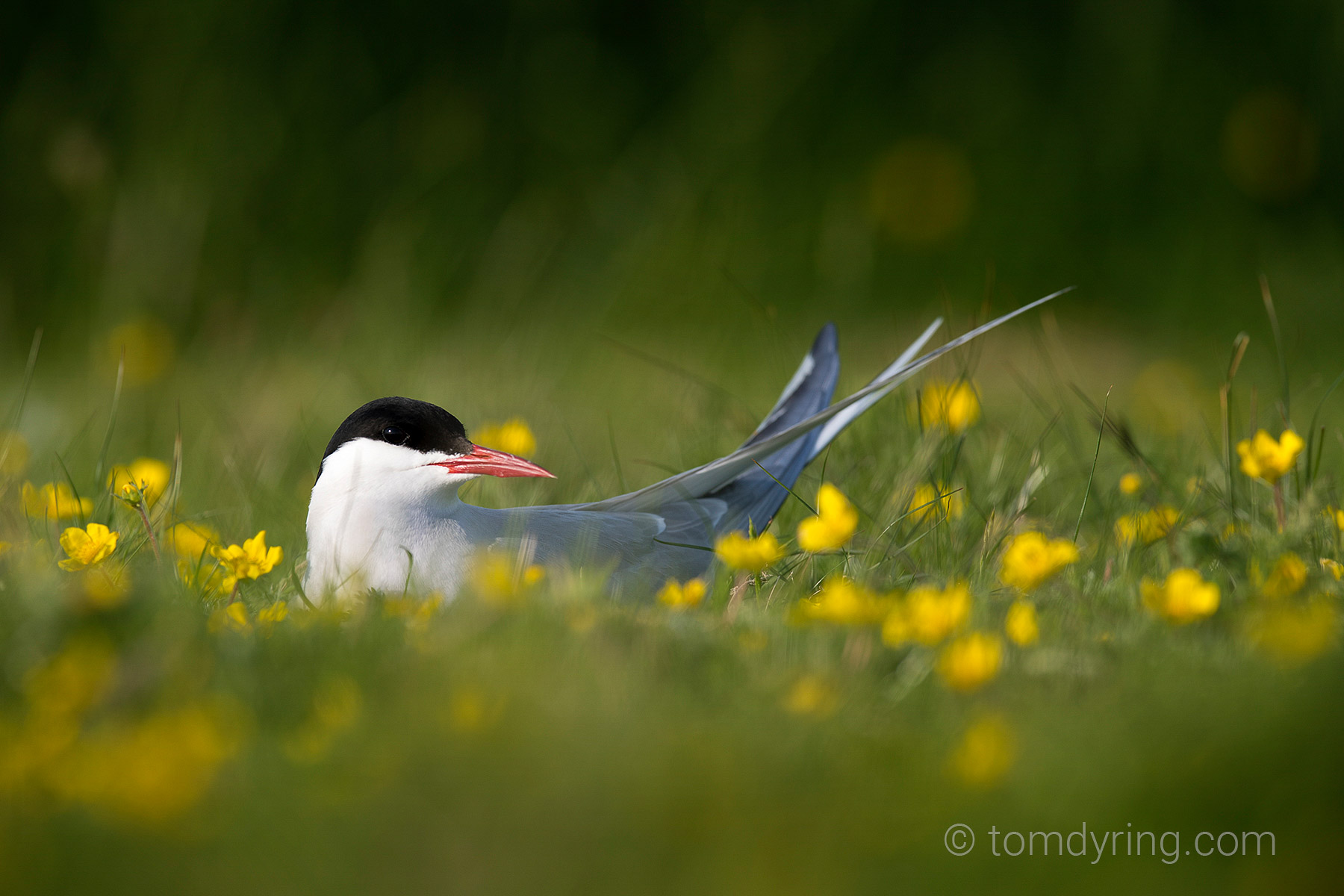
Tom Dyring is a professional Norwegian wildlife photographer based just outside Oslo and a member of the Norwegian Nature Photographers (NN). He focuses exclusively on photographing birds and wild animals and works on various projects around the world for much of the year.
Tom has received numerous international awards and recognitions for his wildlife photography, including distinctions from competitions such as Nordic Nature Photo Contest, British Birds, Siena SIPA, Asferico, Oasis, Narava, and Concours Photo de Namur. He has also held many exhibitions in Norway, as well as internationally in connection with major photography events.

Read more about Tom Dyring
TOM DYRING – Wildlife and nature photographer
Tom Dyring is a professional Norwegian wildlife photographer based just outside Oslo and a member of the Norwegian Nature Photographers (NN). He focuses exclusively on photographing birds and wild animals and works on various projects around the world for much of the year.
Tom has received numerous international awards and recognitions for his wildlife photography, including distinctions from competitions such as Nordic Nature Photo Contest, British Birds, Siena SIPA, Asferico, Oasis, Narava, and Concours Photo de Namur. He has also held many exhibitions in Norway, as well as internationally in connection with major photography events.
HOTEL
HOTEL
PRICE, FACTS & BOOKING
PRICE, FACTS & BOOKING
PRICE
Approx, price per person: USD 4 350
The price is based on 2026 rates, as the exact prices for 2027 are not yet available. These will be announced during autumn 2026.
The price includes:
- Bus transfers according to the itinerary
- Ferry crossings according to the itinerary
- Accommodation in shared double rooms at the specified hotels
- Meals according to the program (B = Breakfast, L = Lunch, D = Dinner)
- Daily photography activities on the islands
- Boat trips
- Participation of Tom Dyring throughout the trip
- Workshops and lectures by Tom Dyring
- Swedish technical tour leader from Zoom Photo Tours
- Local taxes
- Travel documents and practical travel information
The price does not include:
- Single room supplement:USD 650
- Flights to and from the Shetland Islands
- Personal expenses such as drinks, etc.
- Cancellation protection and travel insurance (for more information, see our website under “Other”)
TRANSPORT
You should not arrive at the Shetland Islands later than 16:30 on June 23, and you should not book your return flight earlier than approximately 14:00 on June 29.
If you would like assistance booking flights to the Shetland Islands, we are happy to help. You can email us at info@zoomphototours.com, call us at +46 70 180 90 99, or include your request in the booking form.
FACTS
Target group: Bird photographers of all ages. To get the most out of the trip, some experience in photography is recommended.
Language: Norwegian, Swedish, English
Min/Max participants: 8/12
Exchange rate: GBP 1,35 (as per April 23 2026)
Other: For more information about Zoom Photo Tours, terms and conditions, etc., please see our website under “Other.”
CAMERA EQUIPMENT
- Your digital camera
- Telephoto lens, preferably up to 500 mm
- 70–200 mm lens
- Wide-angle lens, e.g. 24–70 mm
- Monopod or tripod
- A laptop with Photoshop or Lightroom
- Extra batteries, chargers, etc.
BOOKING
You can book this trip by clicking the button below, calling us at +46 70 180 90 99, or emailing us at info@zoomphototours.com
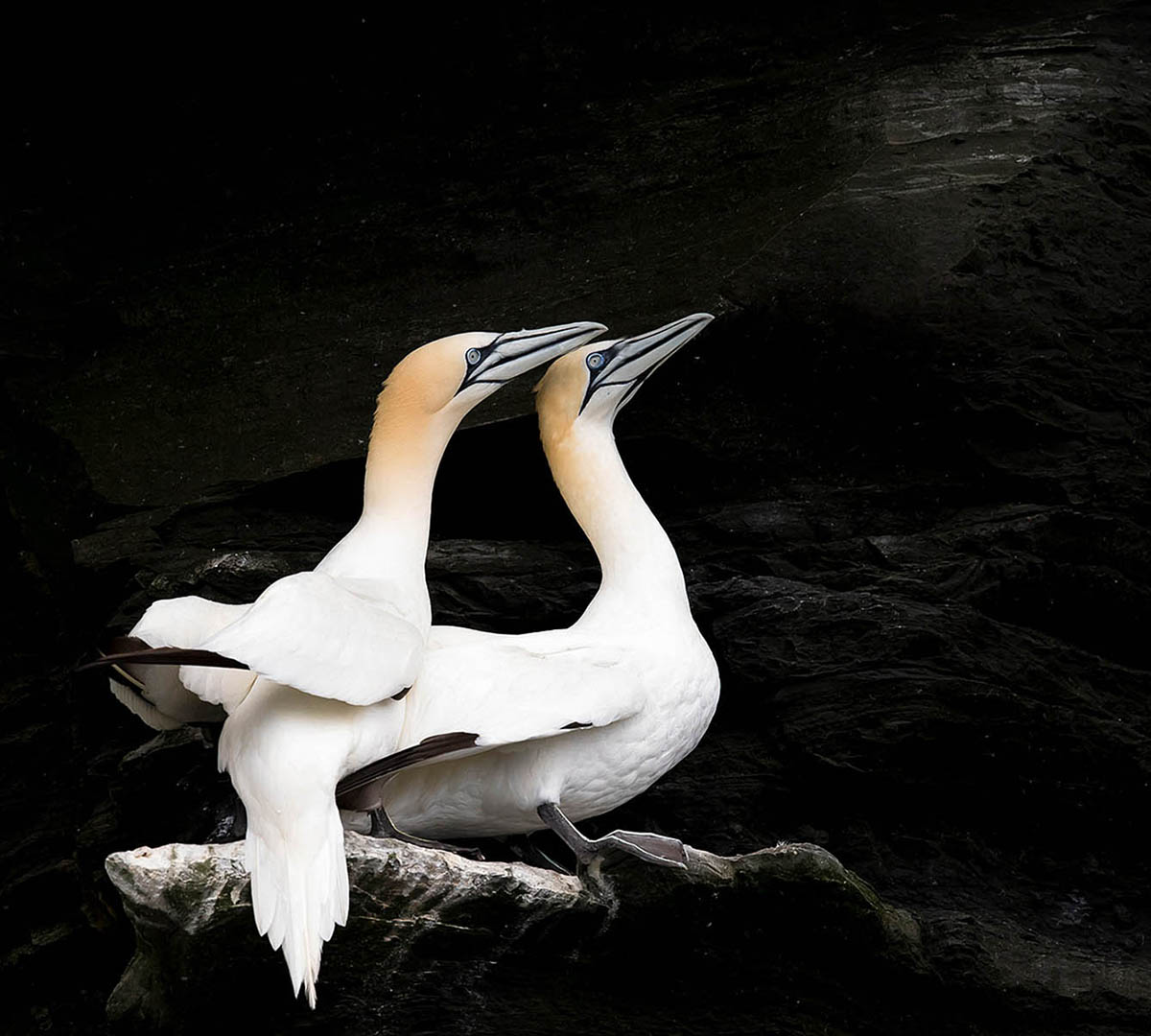
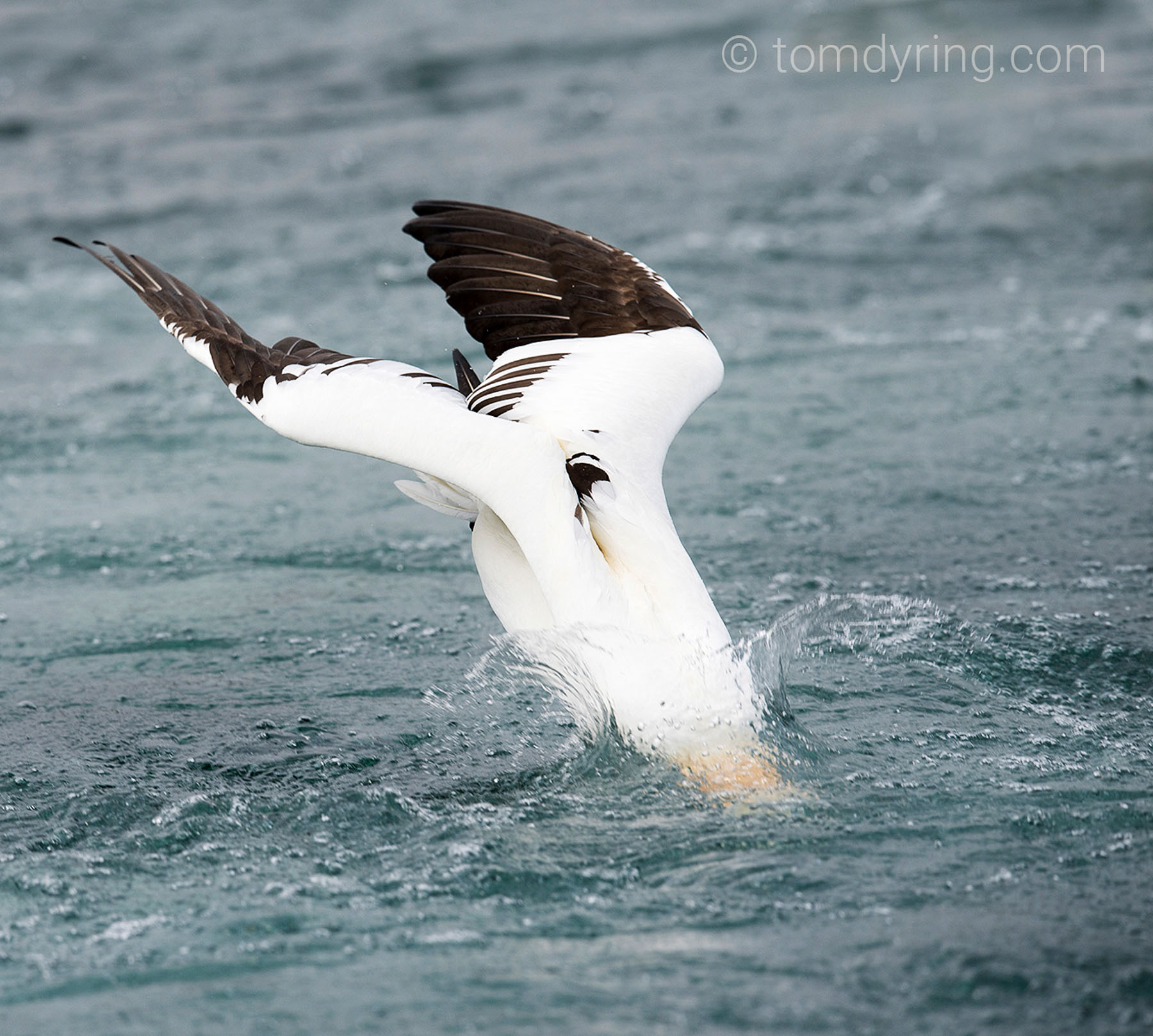
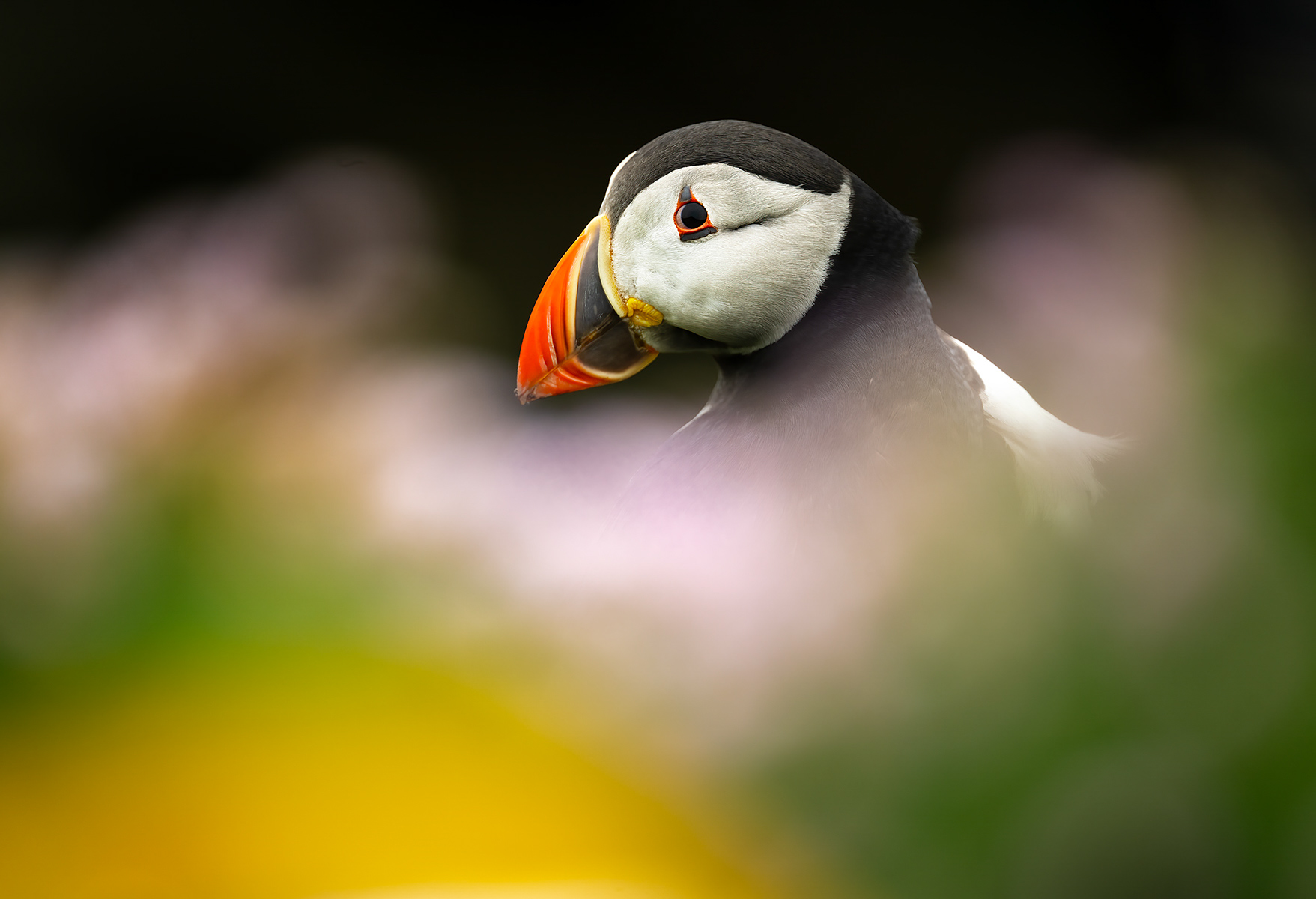
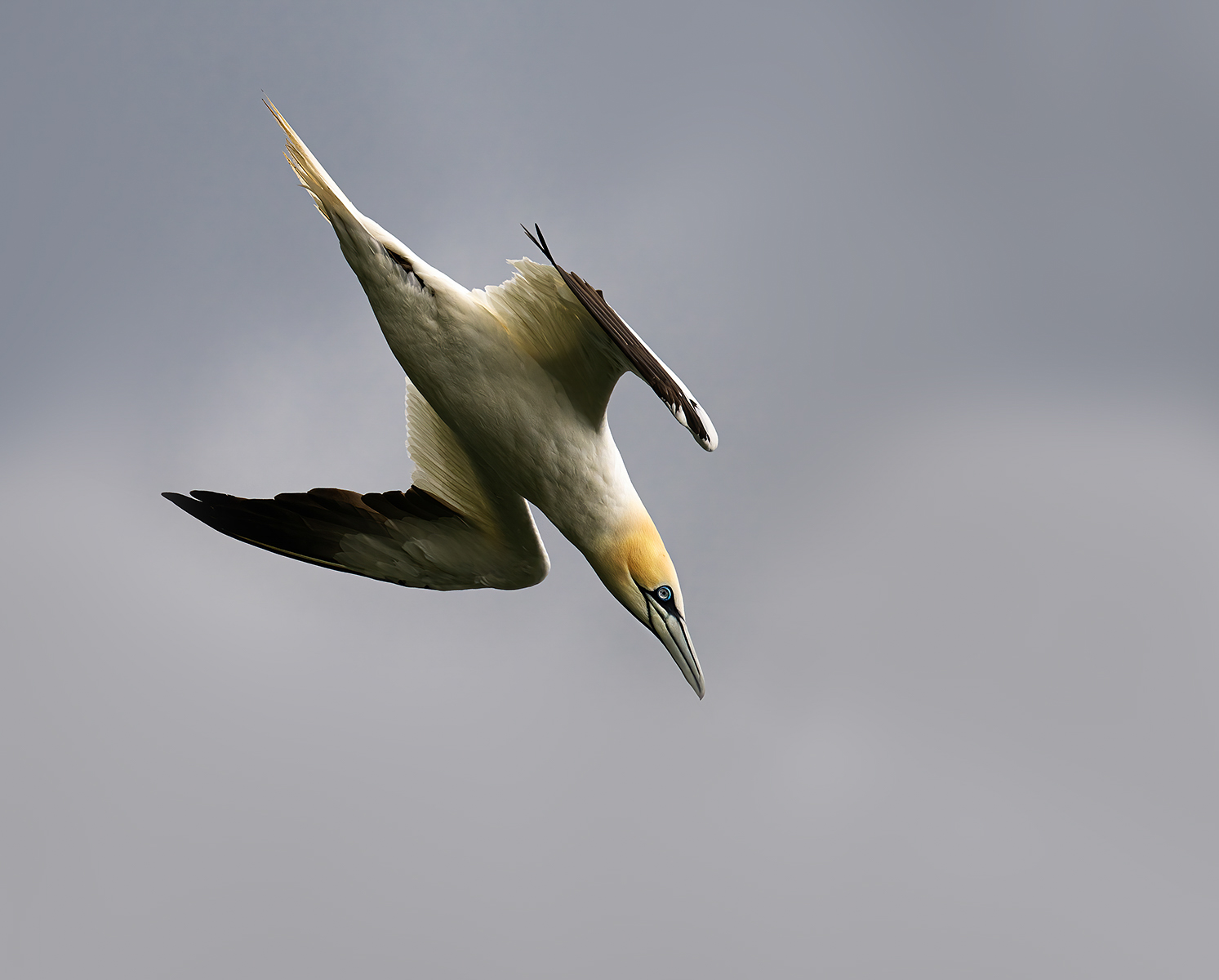
Photo: Tom Dyring